
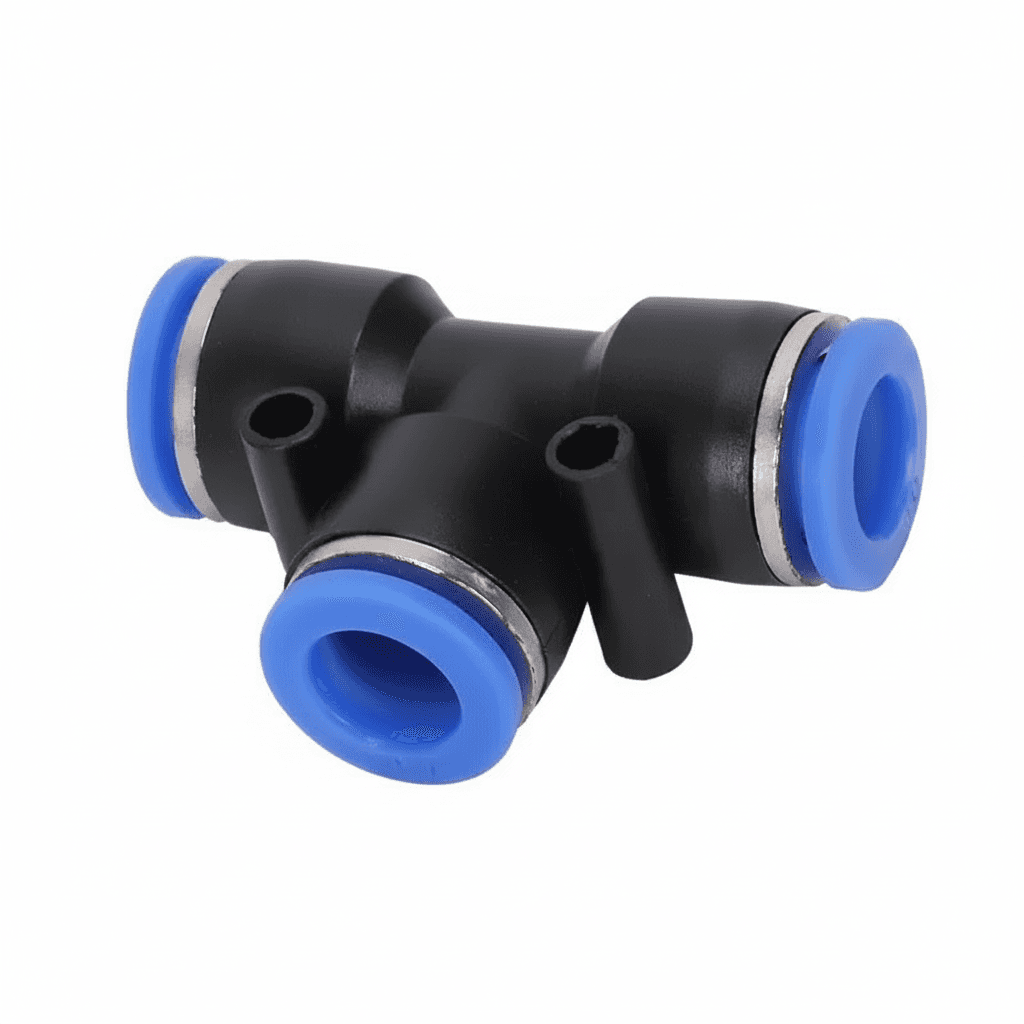
Pneumatic Fittings
10x Pneumatic Fitting | 4-12mm Push-Fit Connector | Air Hose & Tube
CMP-04545PNEU-00001
£29.99
3 products available
Pneumatic fittings connect components within a compressed air system, enabling the controlled flow of air to power industrial machinery and tools. Also known as air fittings, these components are fundamental for assembling or repairing pneumatic circuits. They connect air hoses, tubes, valves, and cylinders, ensuring a secure and leak-free network. This category is for trade and industry professionals who require reliable parts for automation, manufacturing, and maintenance, repair, and operations (MRO).
Compel supplies a focused range of the most common pneumatic hose fittings for industrial applications. Our selection centers on push-to-connect pneumatic fittings, valued for their speed and ease of installation without tools. Available in durable plastic and corrosion-resistant 304 stainless steel, these fittings meet the demands of typical factory environments. We provide dependable components for your essential pneumatic systems.
3 products in Pneumatic Fittings
Pneumatic Fittings
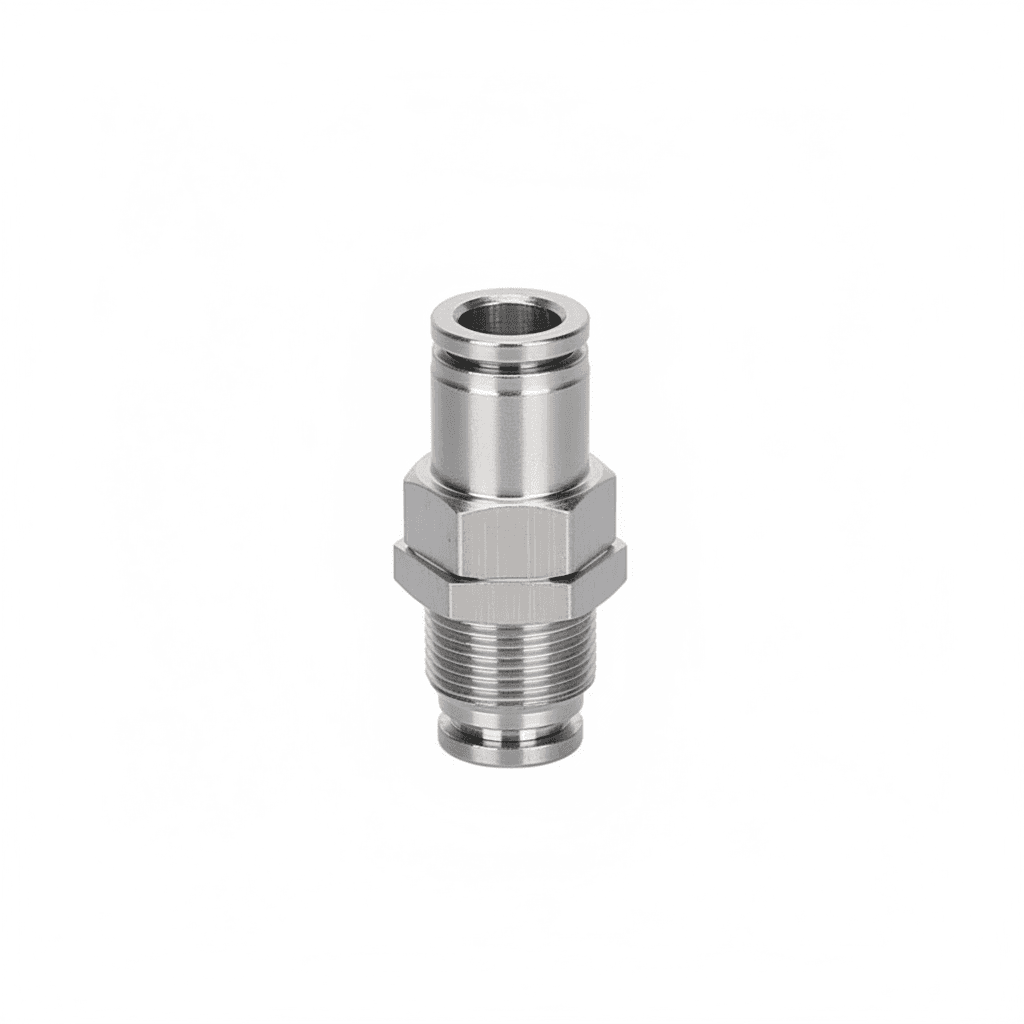
Pneumatic Fittings
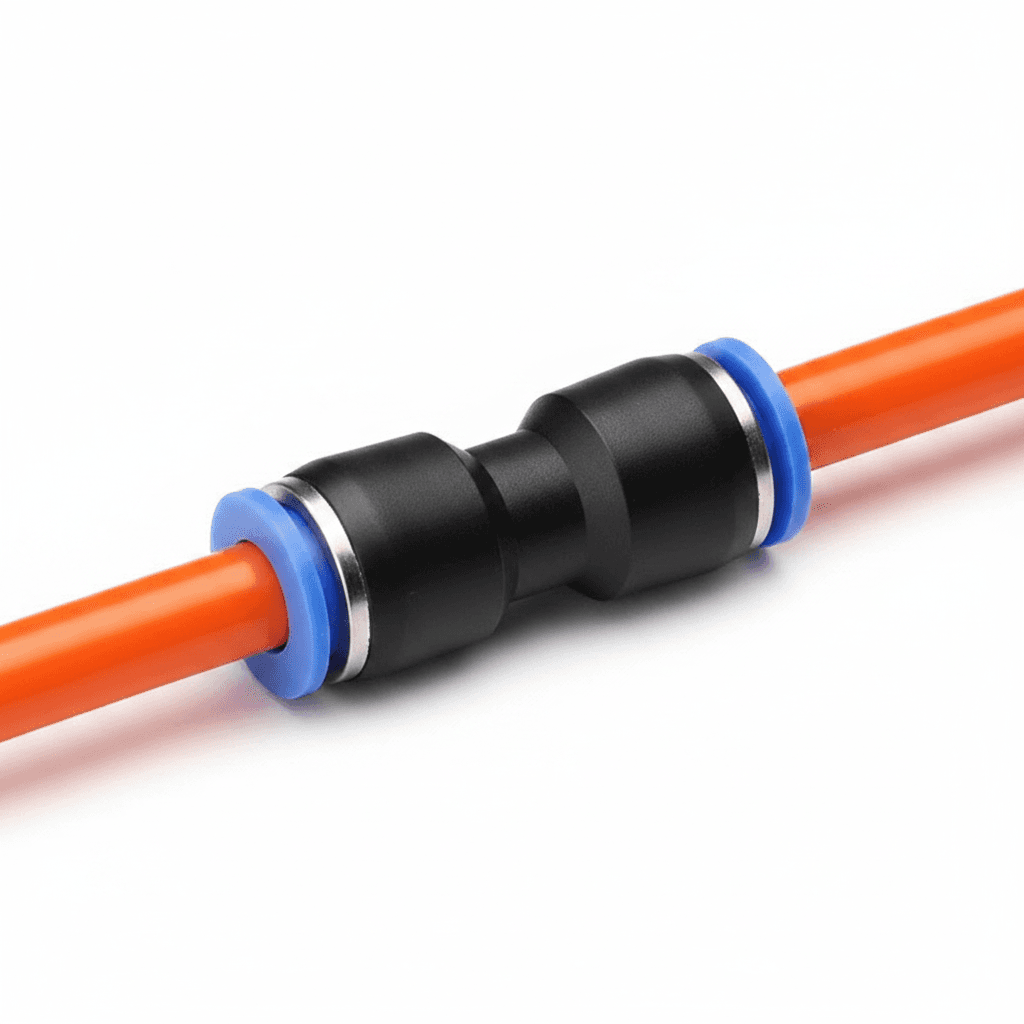
Pneumatic Fittings
The primary decision for pneumatic fittings is the connection method. Our range focuses on push-to-connect fittings, also called push-in or push-fit connectors. This design allows for rapid, tool-free installation. You simply push the air hose firmly into the fitting to create a secure, sealed connection. To release, you press down on the collar and pull the tube out.
This style is highly efficient for MRO tasks and building new systems where speed is a factor. While other types like compression pneumatic fittings exist for higher-pressure or high-vibration applications, the push-to-connect style is the standard for general industrial automation and machinery.
Material choice depends on your operating environment and performance requirements. Each has distinct advantages for industrial use.
Plastic pneumatic fittings are lightweight, corrosion-resistant, and cost-effective for standard air line applications. They are ideal for use with polyurethane (PU) or nylon tubing in most factory settings. Our plastic fittings are typically made from materials like those in our PE/PEG models.
For environments with moisture, chemical exposure, or where greater durability is needed, 304 stainless steel fittings are the correct choice. Stainless steel provides superior corrosion resistance and strength compared to plastic or brass pneumatic fittings, ensuring long-term reliability in more demanding conditions.
Correct sizing is critical to prevent leaks. For push-in fittings, the size must match the outer diameter (OD) of your pneumatic tube. Our fittings accommodate common tube sizes from 4mm to 14mm. Always ensure your tube is cut squarely before inserting it into the fitting for a proper seal.
For threaded ports, you must also match the thread type and size. Many industrial components use parallel threads like BSP (British Standard Pipe), which require a sealing washer or O-ring. Check the specifications of your valve, cylinder, or manifold to confirm the required thread standard before ordering.
Buying guide
We use cookies. Some keep the store working, others show us what to fix. No third-party trackers, and we never sell your data. Learn more about cookies and your privacy