
Load Binders
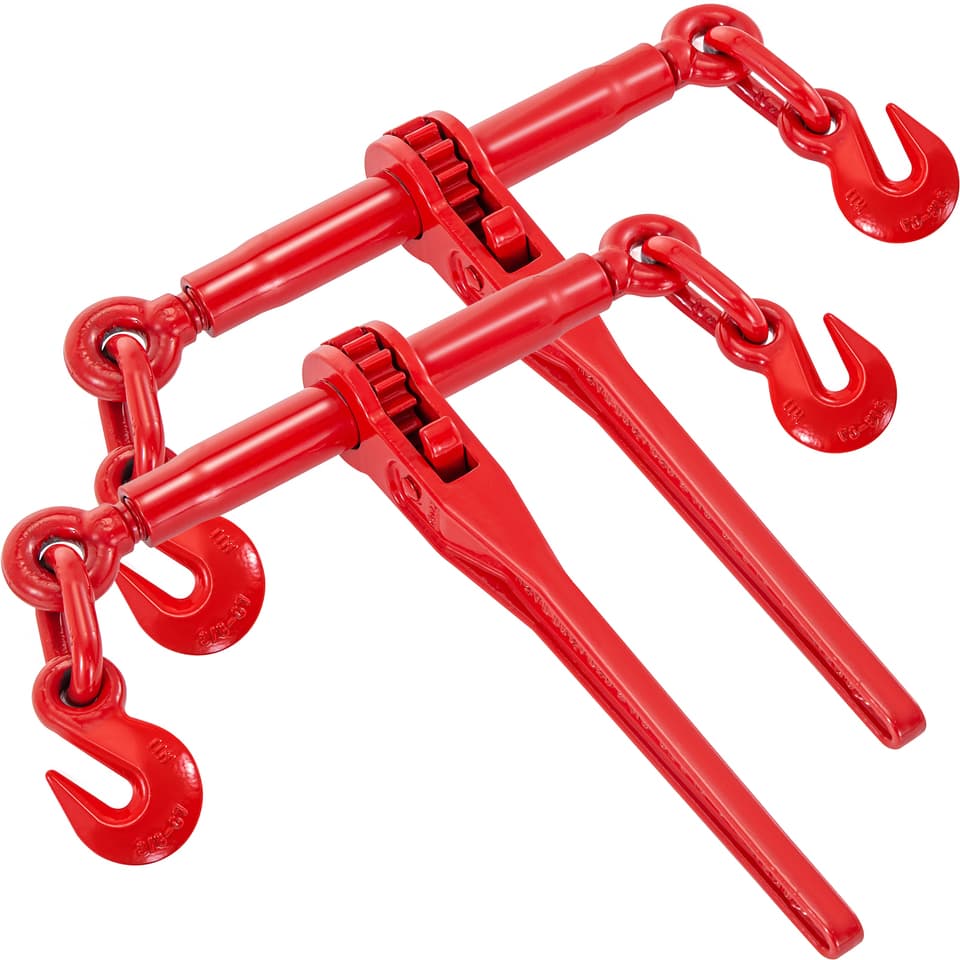
Load Binder 2-Pack | 13,000 lbs Capacity | For 3/8 to 1/2 Inch Chain
CMP-04555LOAD-00001
£181.99
3 products available
Load binders are mechanical devices used to tighten chain or webbing to secure cargo for transport. Also known as chain binders or truck load binders, they are a standard component for flatbed hauling and industrial tie-down applications. The primary function of a load binder is to apply tension, removing slack and preventing loads from shifting. They are operated manually and are designed for use by trade professionals in logistics, construction, and heavy machinery transport.
Our selection focuses on the two main types: ratchet load binders and lever load binders, compatible with common chain sizes and webbing widths. Ratchet binders allow for fine-tuned, incremental tensioning, while lever binders offer rapid application of force. We supply heavy duty load binders built from high-strength steel for demanding trailer transport. Find the correctly specified binder to ensure your cargo is secured safely and complies with transport regulations.
3 products in Load Binders
Load Binders
Load Binders
 Out of stock
Load Binders
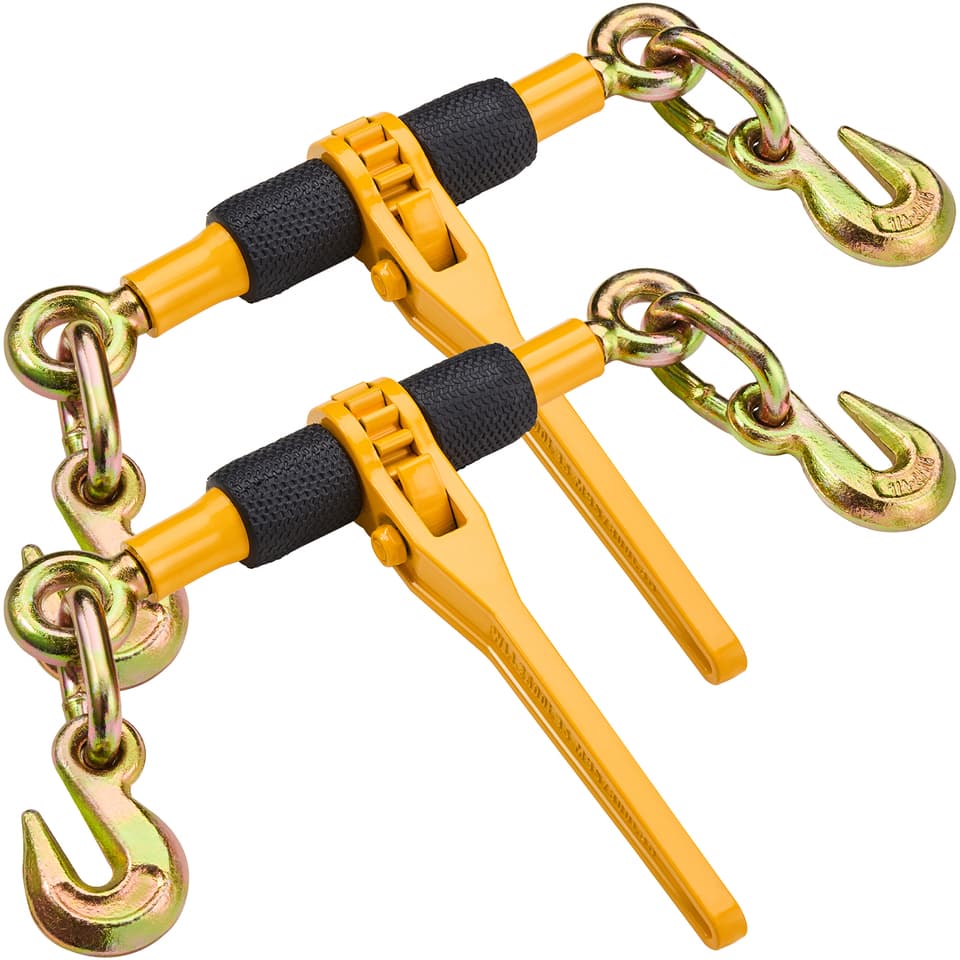
Your first decision is choosing between a ratchet or lever mechanism. Ratchet load binders use a handle and gear to apply tension gradually. This allows for precise adjustments and is generally considered safer, as it reduces the risk of recoil or sudden release of tension. They require less physical strength to operate but can take longer to secure a load.
Lever load binders, or snap binders, use a cam-action lever to tighten the chain in a single motion. They are much faster to operate than ratchet types. However, they require significant force to close and can store a large amount of energy in the handle, demanding careful operation to prevent injury. The choice depends on your priority: speed of operation versus precision and control.
A load binder must be compatible with the size of the chain or strap it is intended to tension. Using an incorrectly sized binder can lead to equipment failure and unsafe loads. For chain binders, the product specification will list the compatible chain diameter range, such as 1/4" to 5/16" or 3/8" to 1/2". Always ensure your transport chain's diameter falls within this specified range.
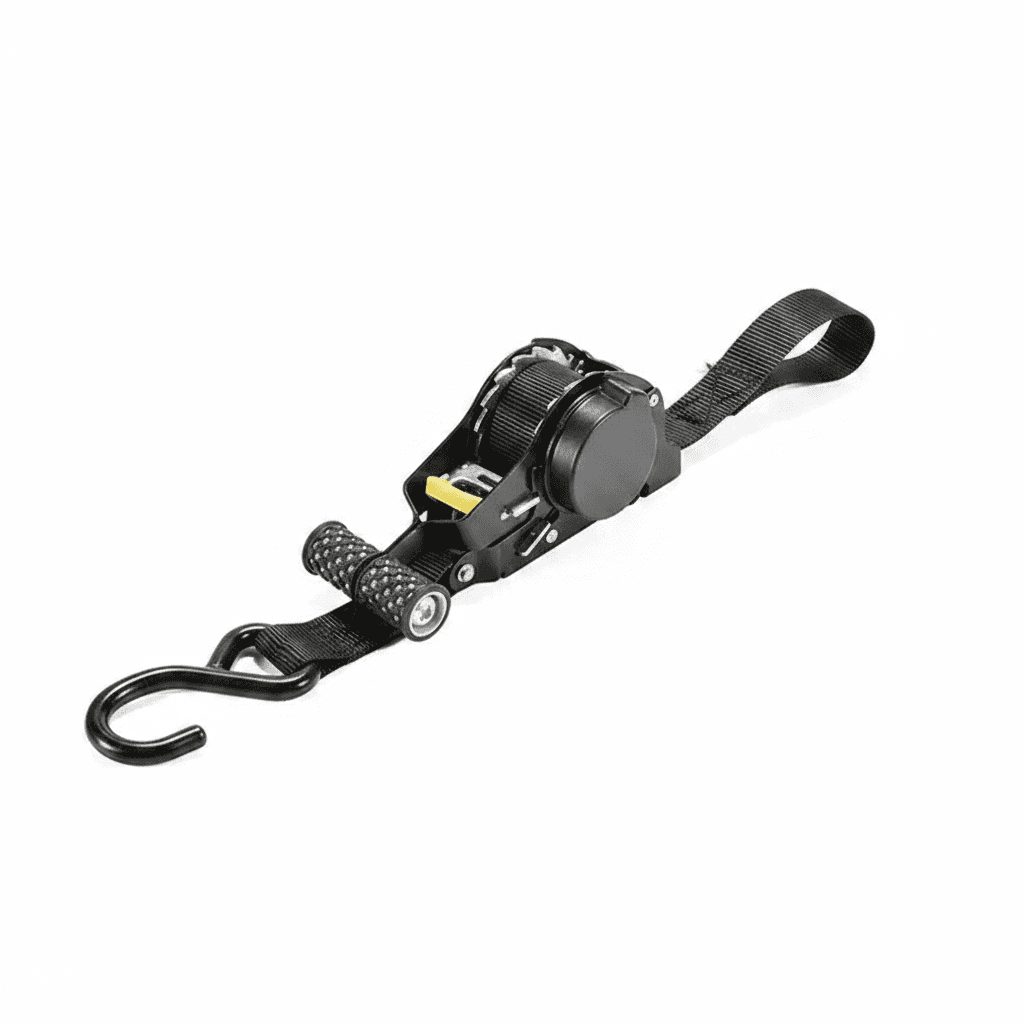
For strap-based systems, the binder is integrated into the strap itself, often as a ratchet strap. The key specification is the webbing width, such as 1-inch webbing for securing lighter loads like motorcycles or cargo. Never use a binder with a chain or strap larger or smaller than its design specifications.
Every binder has a Working Load Limit (WLL), which is the maximum load it is designed to secure safely. This capacity must be appropriate for your application, from tying down luggage to hauling heavy equipment on a flatbed trailer. For example, a heavy duty load binder might have a capacity of 13,000 lbs (5896.7 kg) for securing large loads.
Regulations typically require the combined WLL of all tie-down assemblies to be at least 50% of the total weight of the cargo. Check the specific WLL on any binder you consider. For securing painted or delicate surfaces, a polyester ratchet strap assembly may be preferable to a steel chain binder to prevent damage.
Buying guide
We use cookies. Some keep the store working, others show us what to fix. No third-party trackers, and we never sell your data. Learn more about cookies and your privacy