
Lifting Slings
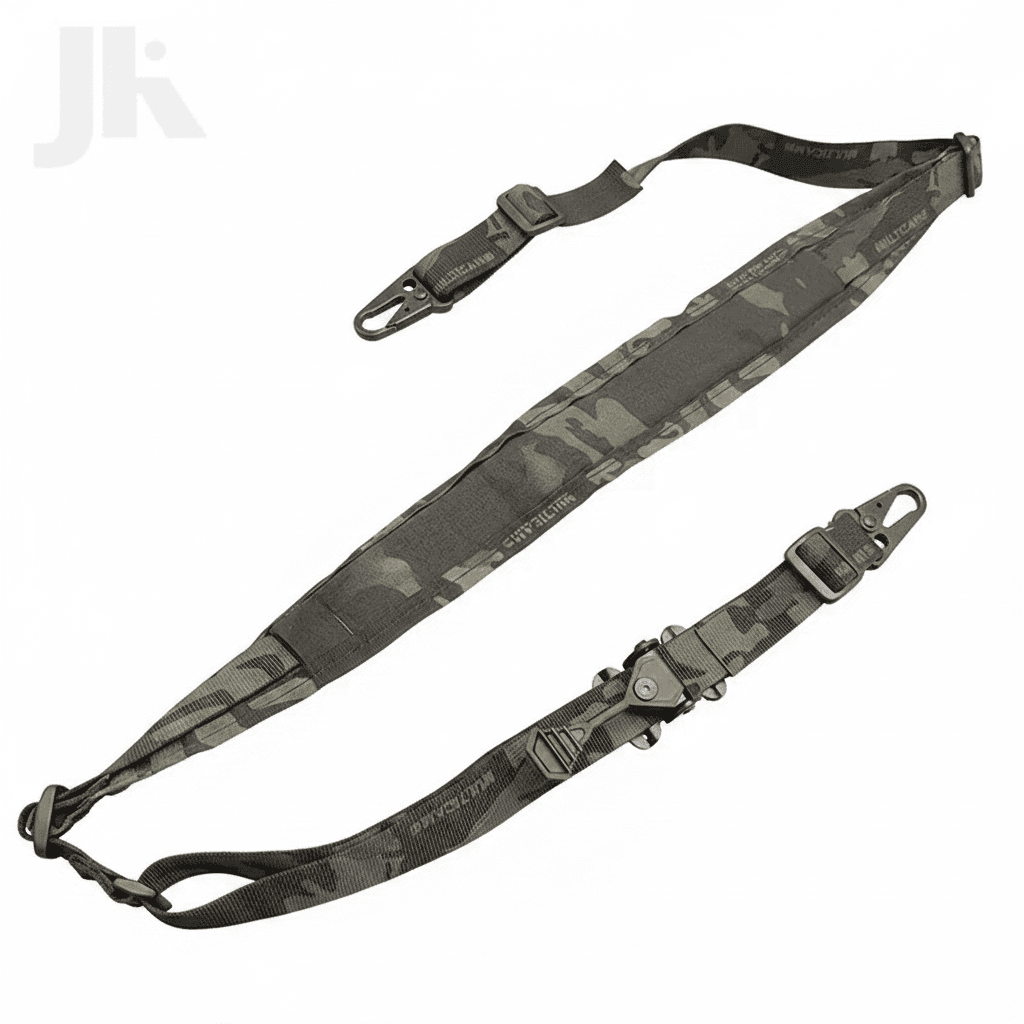
2 Point Rifle Lifting Sling | Quick Release Adjustable Strap | Airsoft & Hunting
CMP-04582LIFT-00012
£31.99
8 products available
Lifting slings are used for hoisting, rigging, and moving loads safely across industrial and machinery environments. These devices connect the load to the lifting equipment, such as a crane or hoist. While the category includes various types like chain slings and wire rope slings, our selection focuses on high-strength synthetic webbing slings suitable for a range of general-purpose lifting tasks.
We provide durable polyester and nylon lifting slings, clearly specified for load capacity and length. Each product is designed for industrial use where reliability and material integrity are paramount. By offering a focused range of common configurations, Compel ensures you can quickly source the correct polyester lifting sling for your cargo handling and hoisting operations without sorting through irrelevant options.
8 products in Lifting Slings
Lifting Slings
Lifting Slings
Lifting Slings
Lifting Slings
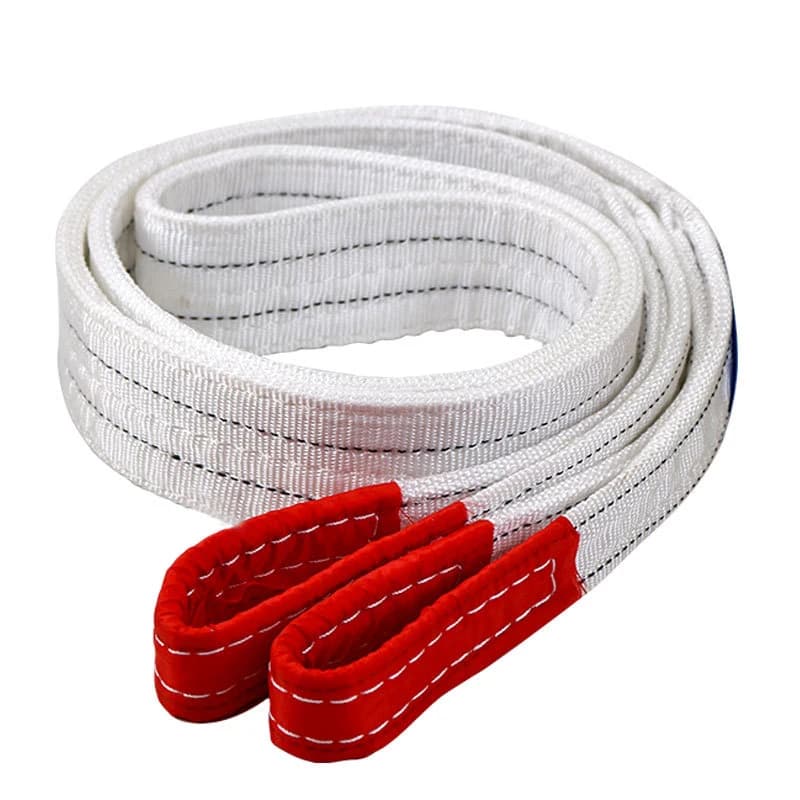
Lifting Slings
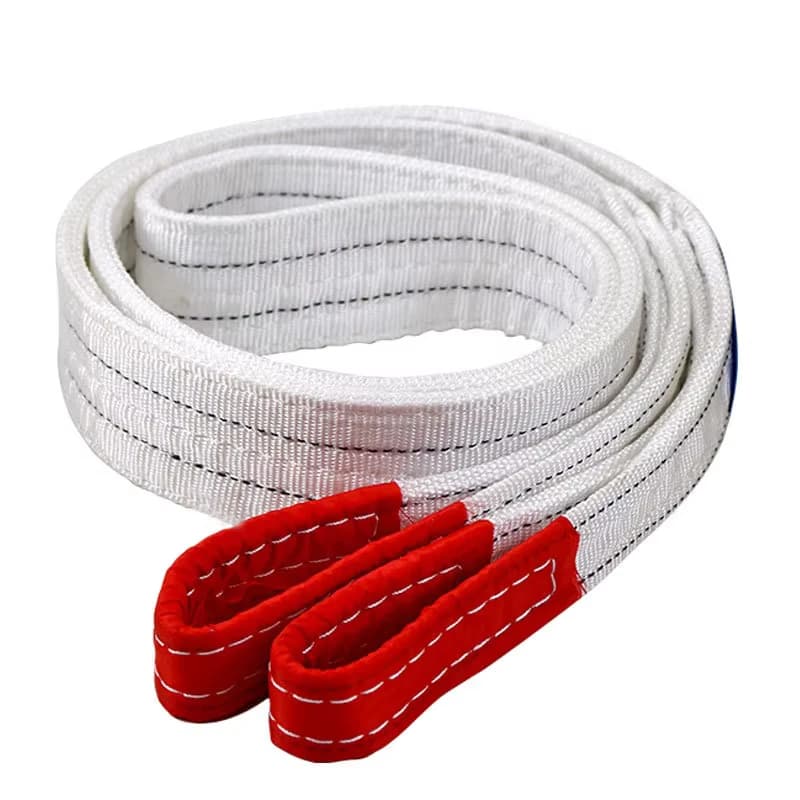
Lifting Slings
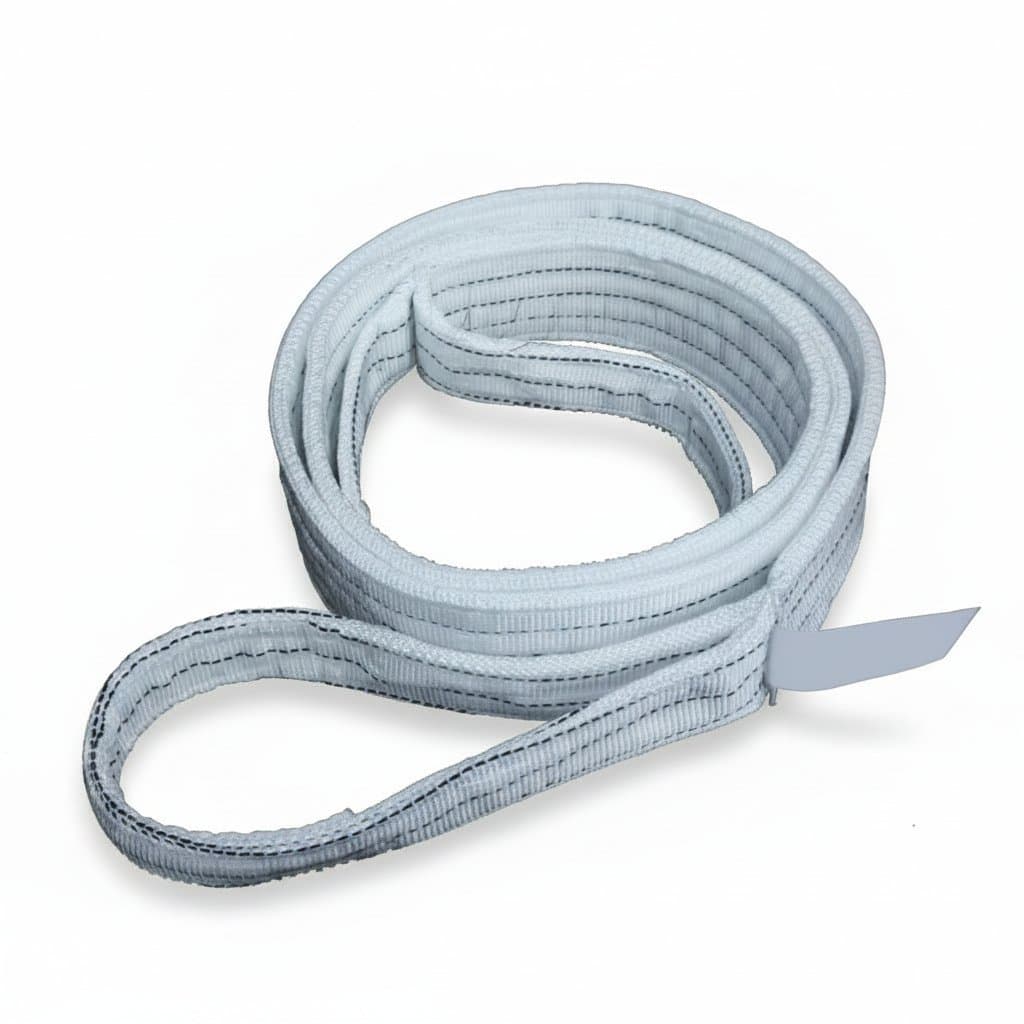
Lifting Slings
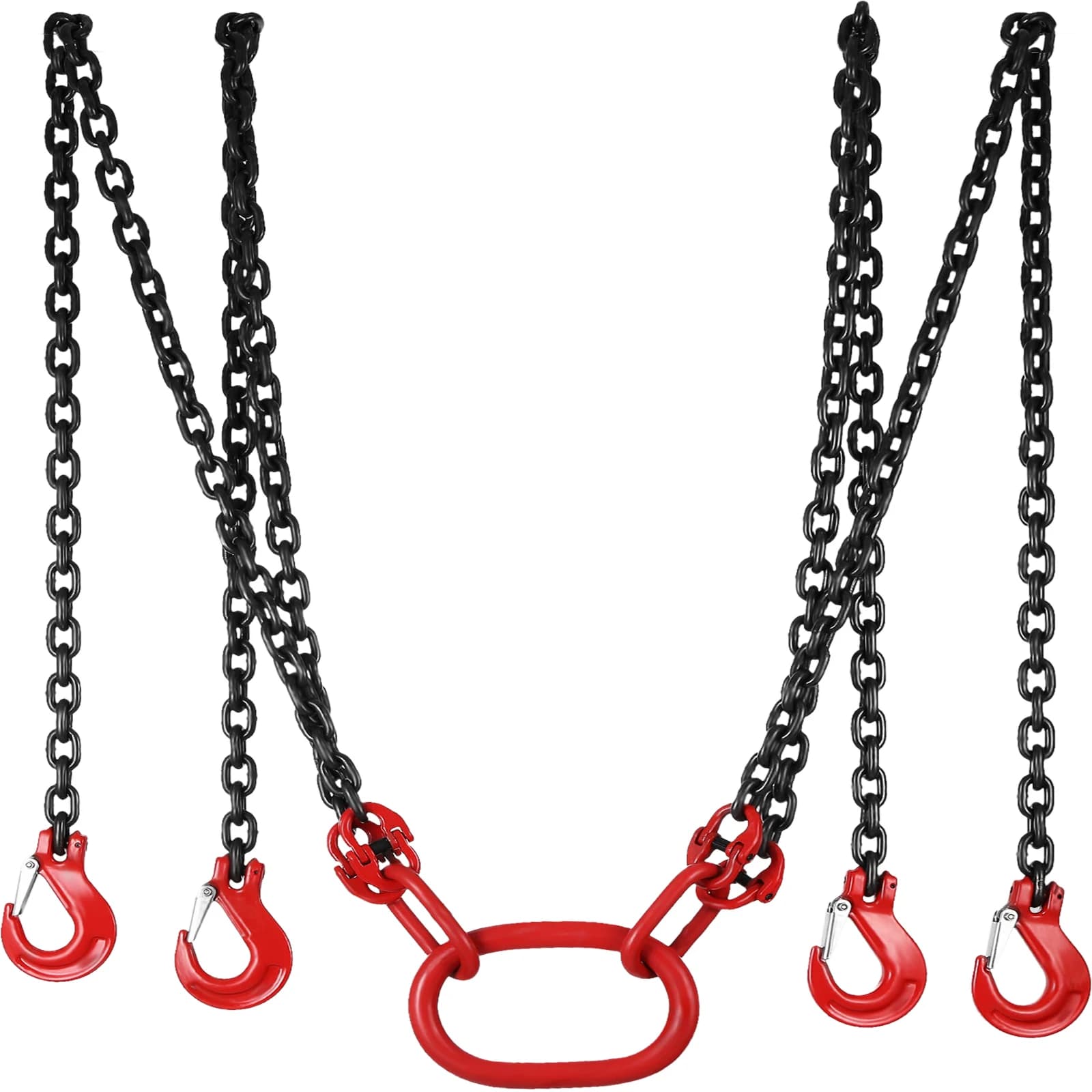 Out of stock
Lifting Slings
Choosing the right material is a first step. Our synthetic slings are available in polyester and nylon, each offering distinct advantages. Polyester lifting slings are the most common choice for general industry due to their low stretch, which provides better load control. Polyester also offers good resistance to many industrial chemicals and performs well in typical outdoor conditions.
Nylon webbing slings provide more stretch than polyester. This elasticity can help absorb shock loads, but it may be undesirable in lifts requiring high precision. Nylon is extremely durable but may be less suitable for use in acidic environments. Always verify the material's chemical compatibility against your specific workplace hazards.
The most important specification is the Working Load Limit (WLL), which must always be greater than the weight of the load you are lifting. Our slings are rated for capacities such as 1 ton and 2 tons for a straight, vertical lift. This rating is typically printed on the sling's tag.
Remember that the lifting method, or hitch, directly affects the sling's capacity. A sling used in a choker hitch will have a lower WLL than when used in a vertical or basket hitch. Always consult the manufacturer's technical data to understand the de-rating factors for different configurations to ensure a safe lift.
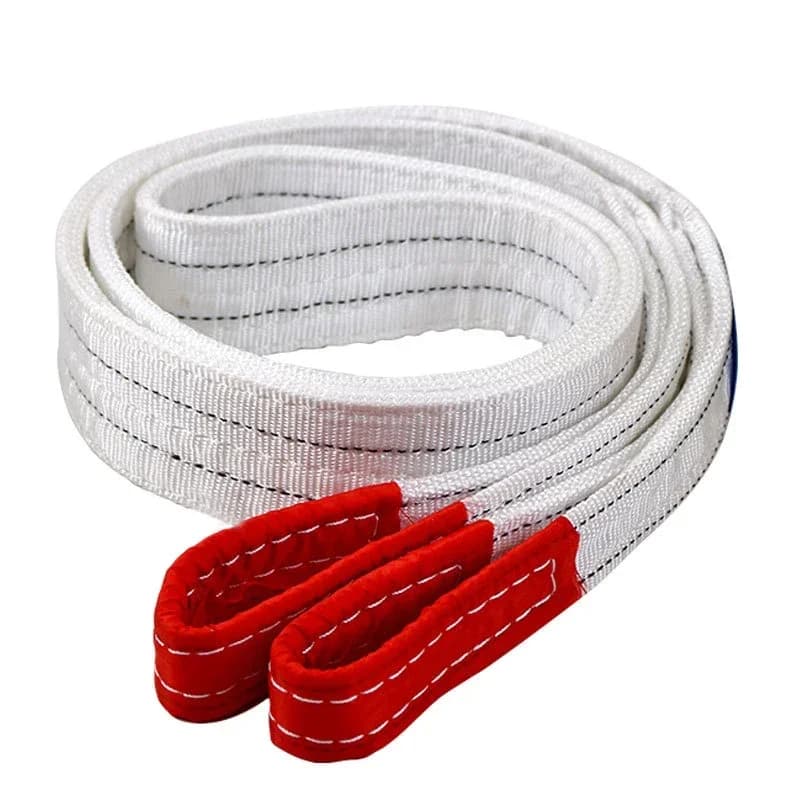
Our selection centers on flat webbing slings, which are constructed from woven polyester or nylon material. Their flat, wide surface provides stable support for many load shapes. They are easy to inspect for wear and damage before each use.
While we focus on webbing slings, it's useful to know about round slings. A round sling consists of a continuous loop of polyester yarn covered by a protective sleeve. They are often more flexible than webbing slings and can conform tightly to the load. For applications requiring different properties, such as high-heat or extreme abrasion resistance, you may need to consider chain slings or wire rope slings.
Buying guide
We use cookies. Some keep the store working, others show us what to fix. No third-party trackers, and we never sell your data. Learn more about cookies and your privacy