
Hydraulic Hose
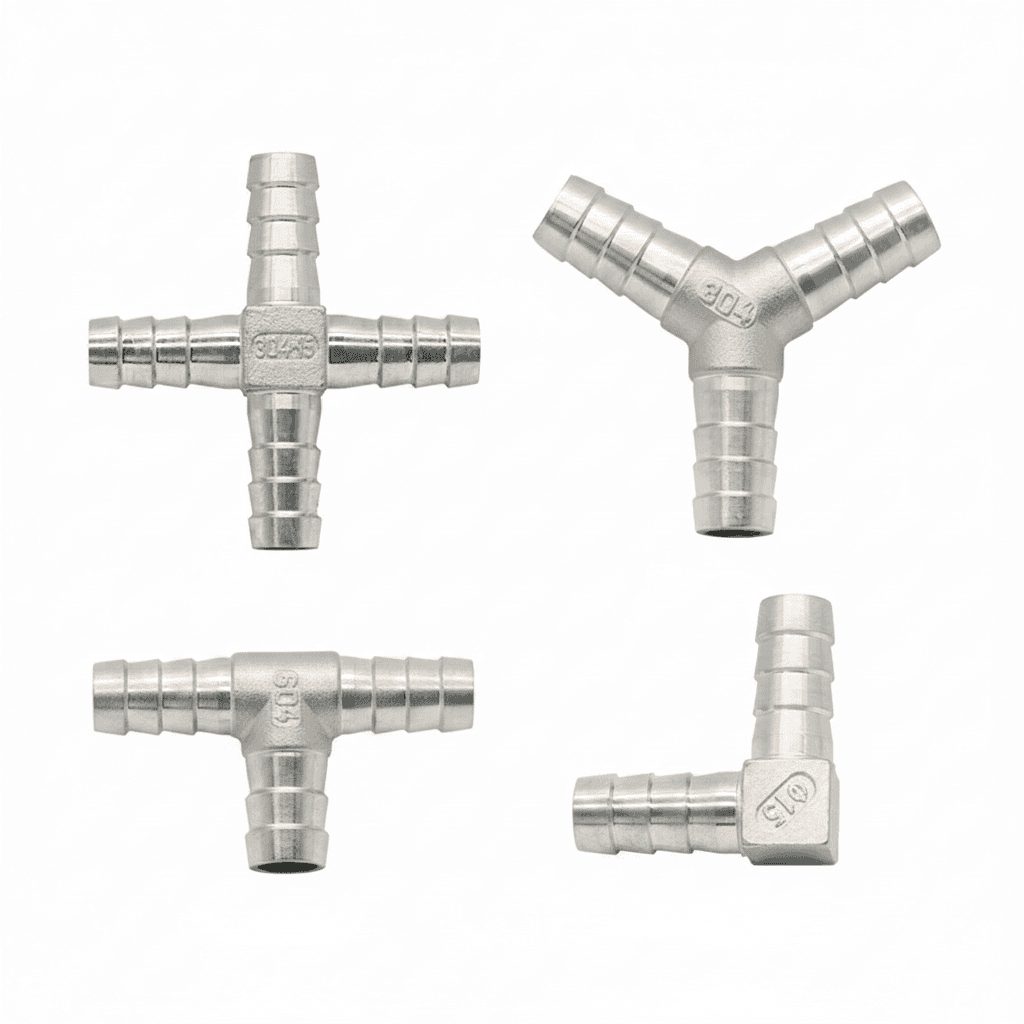
Hydraulic Hose Barb Fittings | 304 Stainless Steel Elbow & Tee Splitters | Water Gas Connectors
CMP-04544HYDR-00350
£26.99
3 products available
A hydraulic hose is designed to transfer hydraulic fluid under pressure within machinery and industrial systems. These components are fundamental for fluid power applications, enabling the operation of everything from manufacturing equipment to heavy-duty vehicle systems. Compel serves trade and industry professionals who require reliable parts for maintenance, repair, and operational continuity. Our selection focuses on specific components for fluid transfer and system maintenance.
We supply industrial hydraulic hose components, including fittings and plugs, for targeted applications. Whether you are servicing an automotive brake system or connecting water and gas lines, our products provide dependable performance. Compel is your source for specialized fluid power components that meet the demands of professional work environments.
3 products in Hydraulic Hose
Hydraulic Hose
Hydraulic Hose
Hydraulic Hose
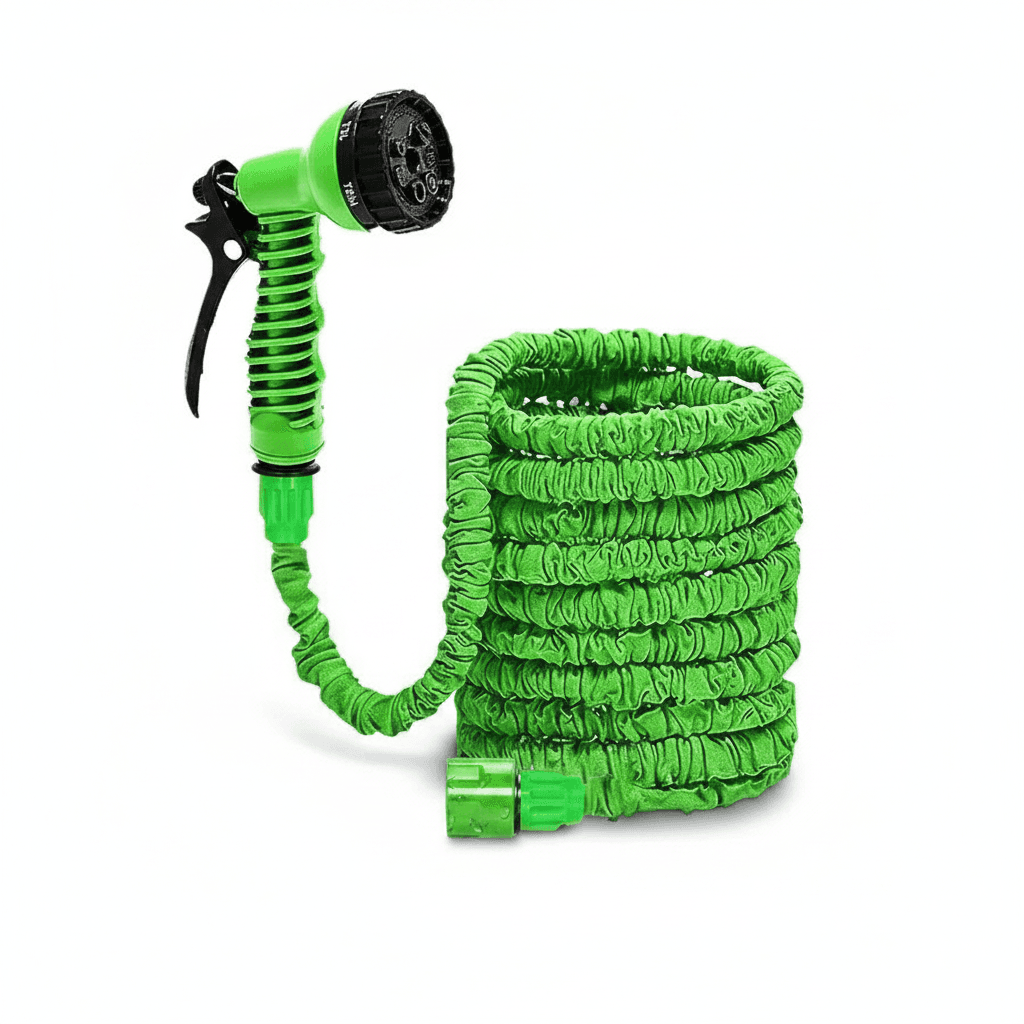
The material of your hydraulic hose and fittings determines its compatibility with fluids, its pressure rating, and its service life. For fittings, 304 stainless steel offers excellent resistance to corrosion, making it suitable for water, gas, and other demanding environments. Plastic hoses provide flexibility and are often used in lower-pressure water transfer applications.
When selecting a high pressure hydraulic hose, consider common industrial materials like reinforced rubber and thermoplastic. A rubber hydraulic hose is durable and handles high pressures and temperatures well. A thermoplastic hydraulic hose is lightweight and has a smaller outside diameter. Always verify that the hose and fitting materials are compatible with your system's hydraulic fluid.
Every hydraulic system operates at a specific pressure. Your chosen hose must have a maximum working pressure that exceeds the system's normal operating pressure, including any potential surges. Automotive brake systems, for example, experience very high pressure spikes and require hoses built for that specific duty.
Always check the product datasheet for the specific pressure rating. Using a hose below the required pressure rating can lead to catastrophic failure, equipment damage, and serious safety hazards. For any industrial hydraulic hose, confirm both the working pressure and the burst pressure rating.
A hydraulic hose is only as strong as its connections. Hydraulic hose assemblies consist of the hose and the attached fittings that connect it to the system. It is vital that the fittings are correctly matched to the hose type and size. Common connection types include flanges and threaded ends.
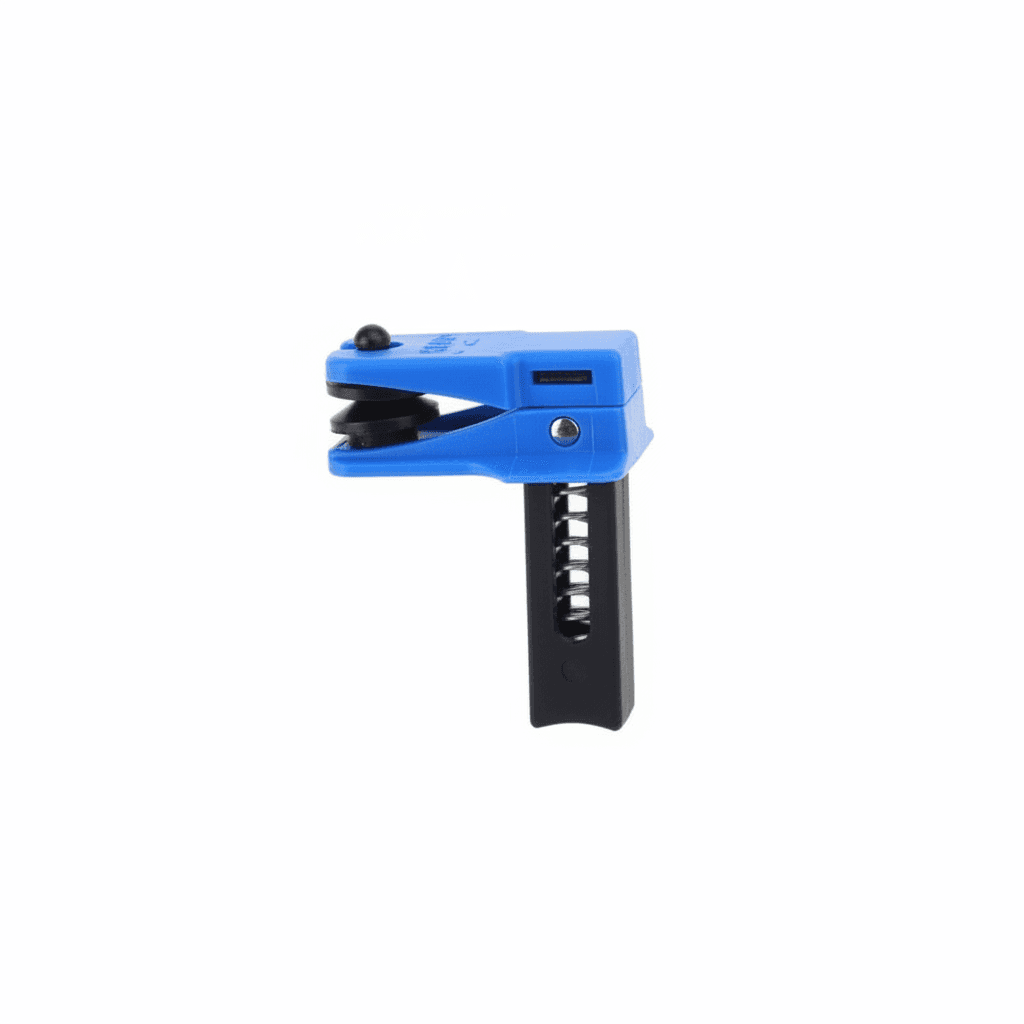
When performing maintenance, having the right tools, such as hose plug sets, is important for blocking off lines and preventing fluid loss or contamination. For fittings, details like the head code, such as a hexagon shape, determine the tool required for installation. Some components carry certifications like a CE mark; check the product listing to confirm its applicability to your use case.
Buying guide
We use cookies. Some keep the store working, others show us what to fix. No third-party trackers, and we never sell your data. Learn more about cookies and your privacy