
Hydraulic Fittings
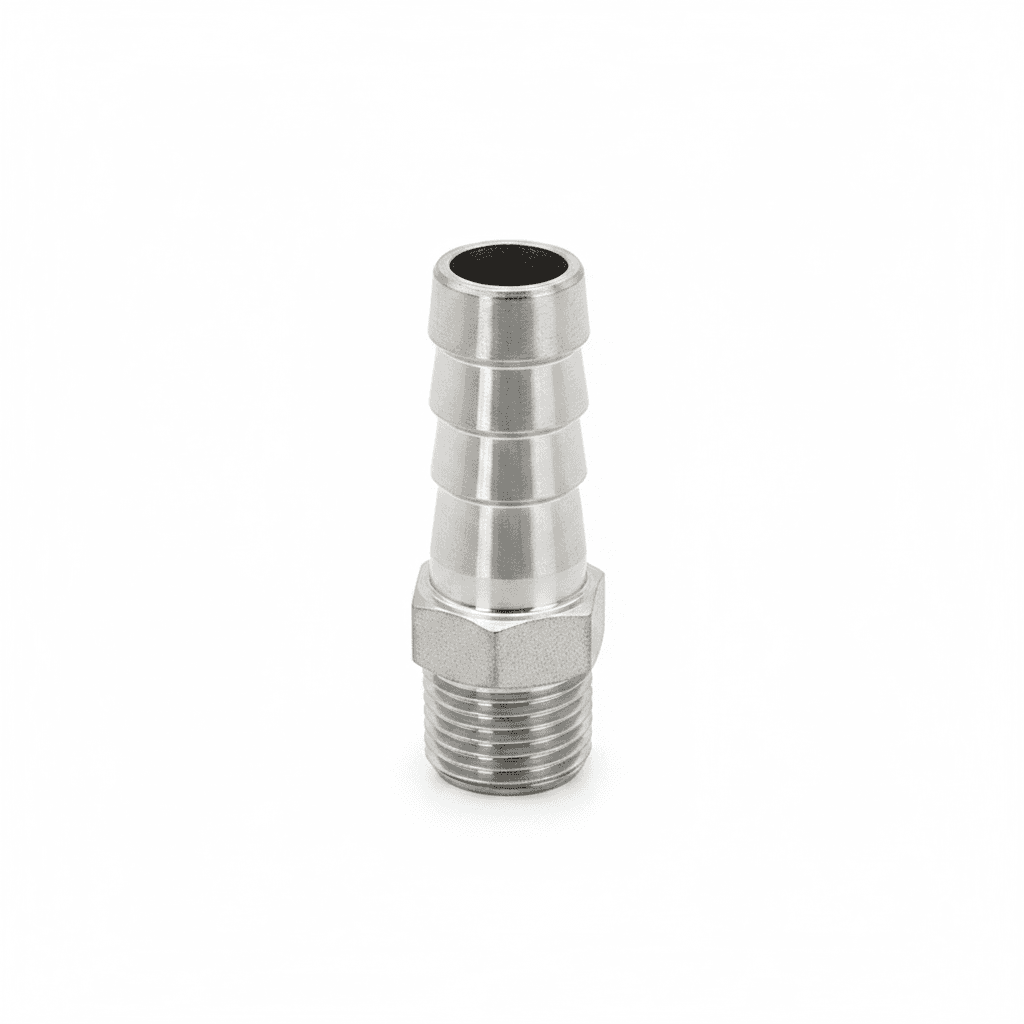
304 Stainless Steel Hydraulic Fitting | BSP Male Thread Hose Barb | Industrial Pipe Coupling
CMP-04560HYDR-00359
£24.99
3 products available
Hydraulic fittings are the crucial components that connect hoses, tubes, and pipes within a hydraulic system. Used across industrial maintenance and machinery manufacturing, these connectors and adapters ensure a secure, leak-free flow of hydraulic fluid under pressure. They are fundamental for repairing or building hydraulic circuits in heavy equipment, production lines, and processing plants.
Compel offers a focused selection of stainless steel hydraulic fittings, primarily in grade 304. Our range includes common thread types like BSP and NPT, and connection styles such as compression, push-in, and hose barb. This curated offering provides durable, corrosion-resistant solutions for many standard industrial hydraulic applications.
3 products in Hydraulic Fittings
Hydraulic Fittings
Hydraulic Fittings
Hydraulic Fittings
The type of connection is your first decision. It depends on the tube or hose you are connecting.
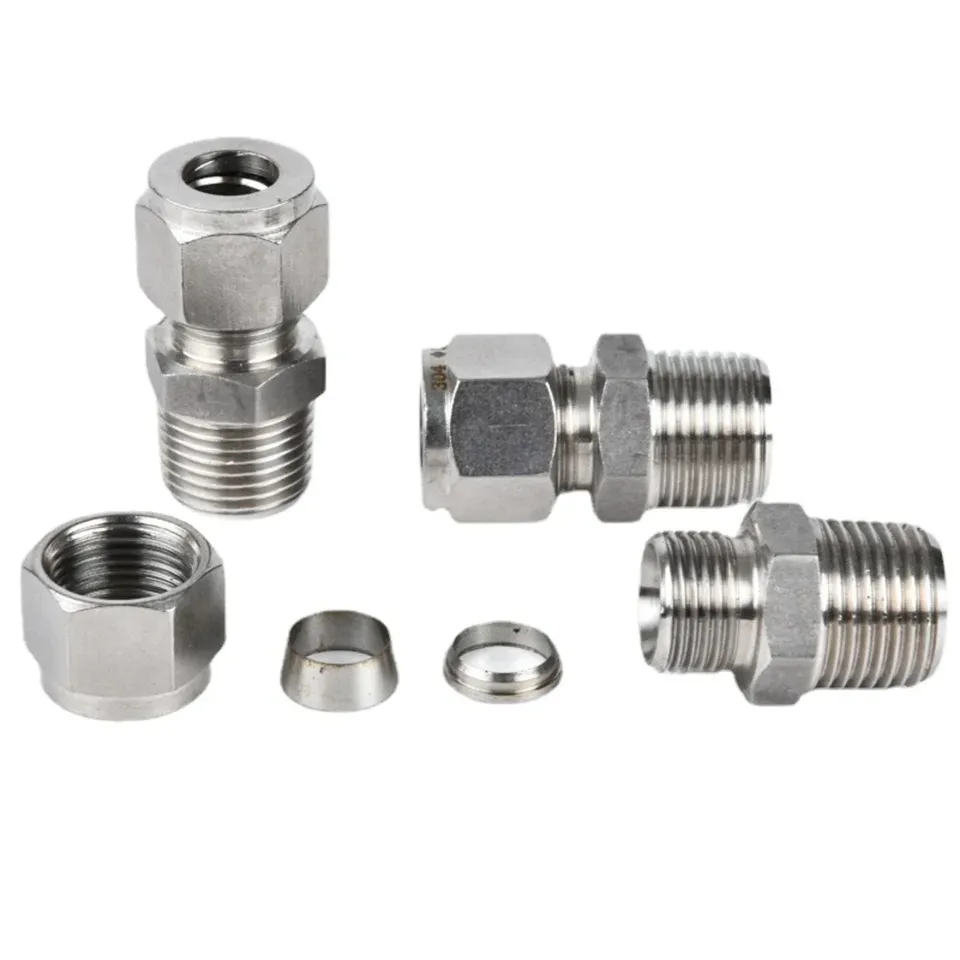
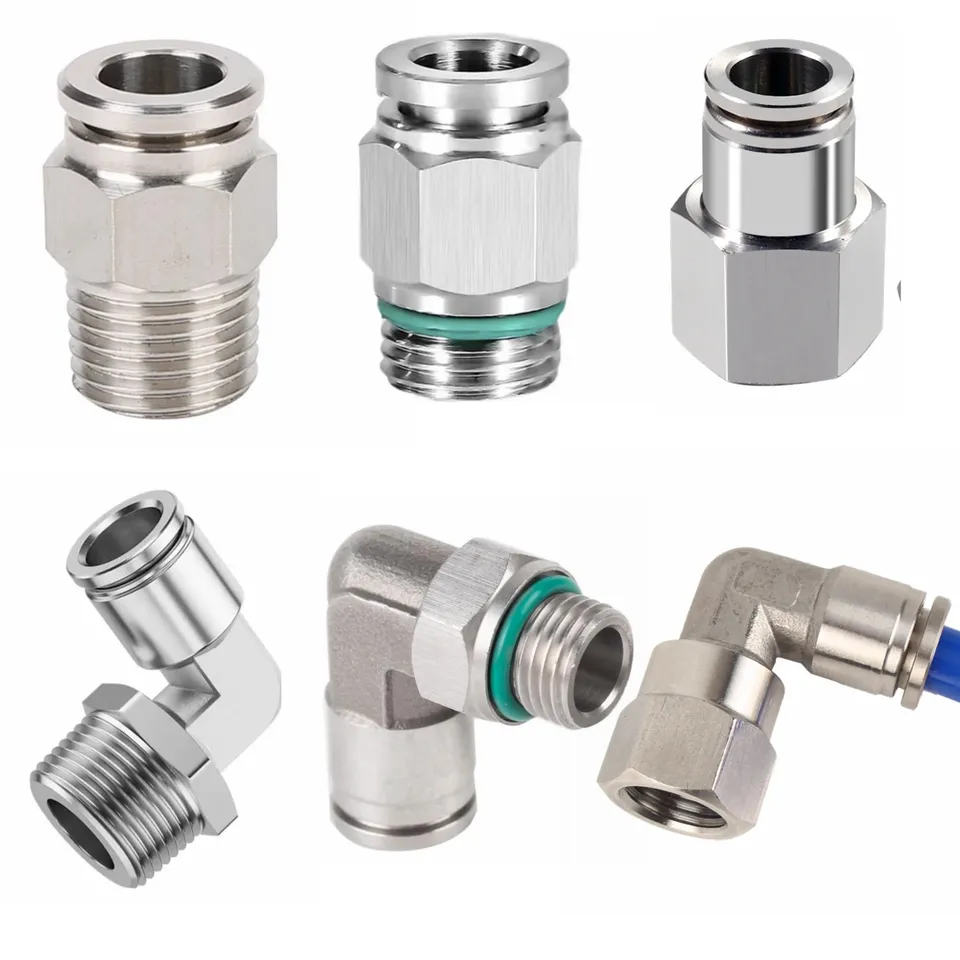
Compression fittings are ideal for joining sections of rigid metal tubing. They create a strong mechanical seal by compressing a ferrule onto the tube's outer diameter. Hose barb fittings feature a tapered, ridged shank that inserts into a flexible hose and is typically secured with a clamp. For applications requiring frequent disconnection and reconnection, quick-release push-in fittings offer a fast and simple solution.
Identifying the correct thread standard is to prevent leaks. North American systems often use NPT (National Pipe Taper) threads, which seal along the tapered threads. BSP (British Standard Pipe) is common internationally and comes in two forms: BSPT (tapered) and BSPP (parallel). BSPT seals on the threads, while BSPP requires a bonded seal or O-ring on a shoulder to create a seal.
While our selection is centered on NPT and BSP hydraulic connectors, another common standard is JIC (Joint Industry Council), which uses a 37-degree flare for sealing. Always confirm the thread type and size of your existing components before ordering. Our fittings are available in a variety of standard sizes.
Our hydraulic fittings are made from 304 stainless steel. This material provides good corrosion resistance against many hydraulic fluids and is suitable for general industrial environments. Its strength and durability make it a reliable choice for high-pressure hydraulic systems.
While 304 stainless steel performs well in many conditions, it is important to verify its compatibility with specific or aggressive chemicals and extreme service environments. For applications with unique fluid types or exposure to harsh elements, always confirm that 304 stainless steel meets your project's material requirements.
Buying guide
We use cookies. Some keep the store working, others show us what to fix. No third-party trackers, and we never sell your data. Learn more about cookies and your privacy