
Facilities Hardware
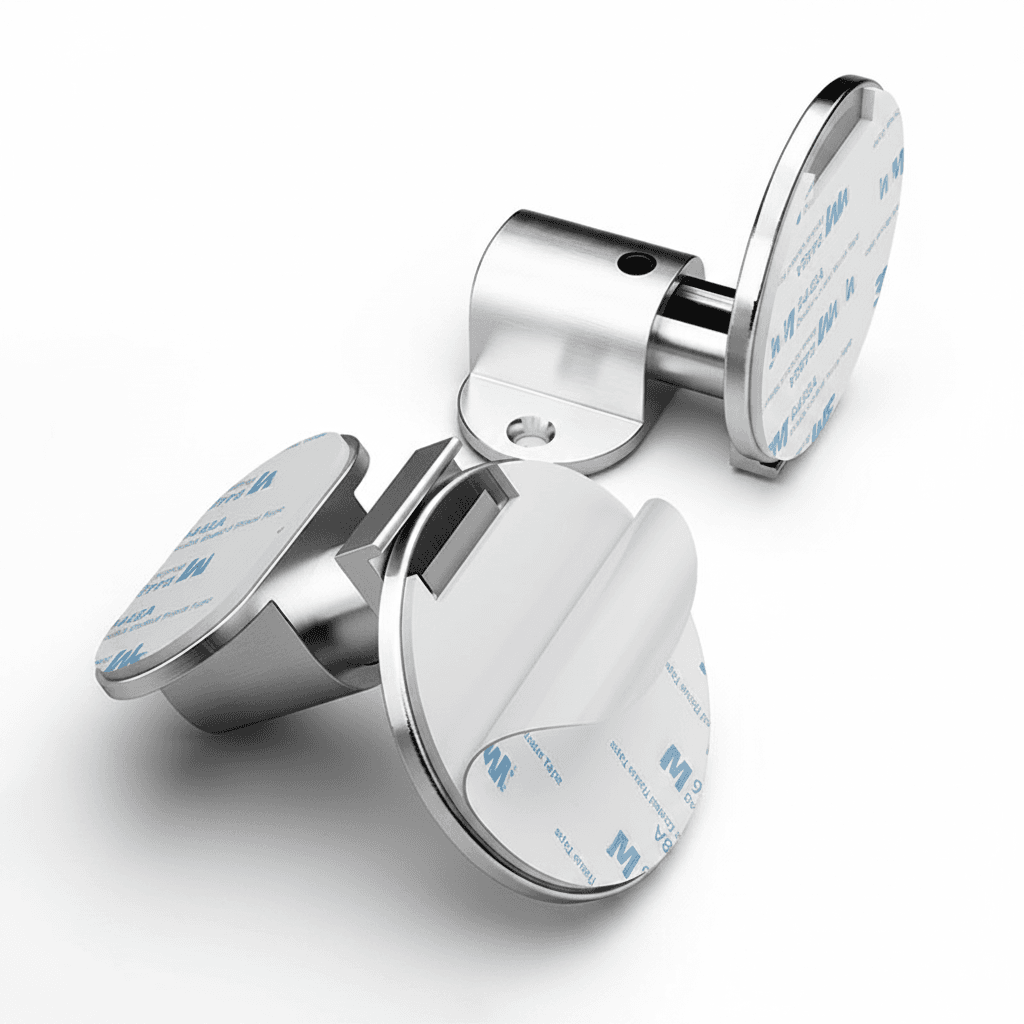
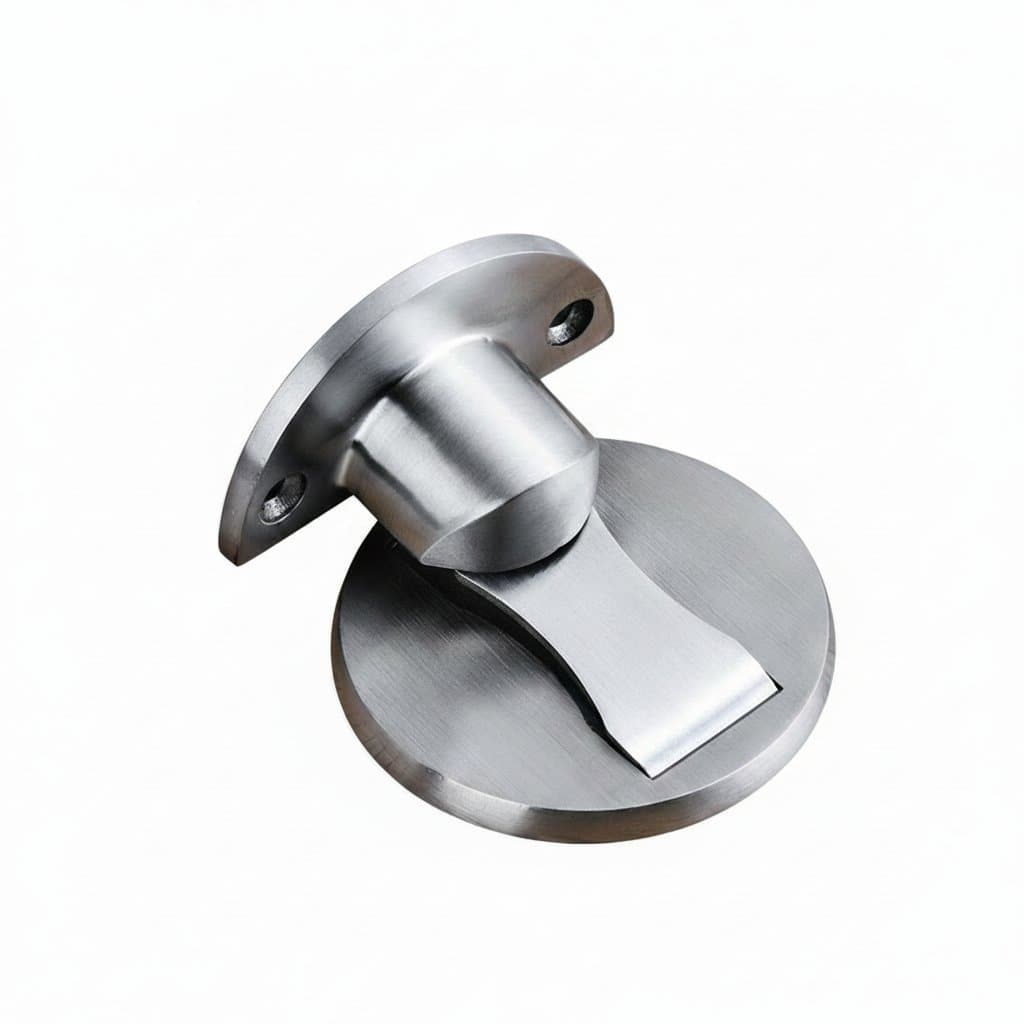
Magnetic Door Stopper | Punch-Free Zinc Alloy | Anti-Collision Door Holder
CMP-04381HARD-00125
£52.99
7 products available
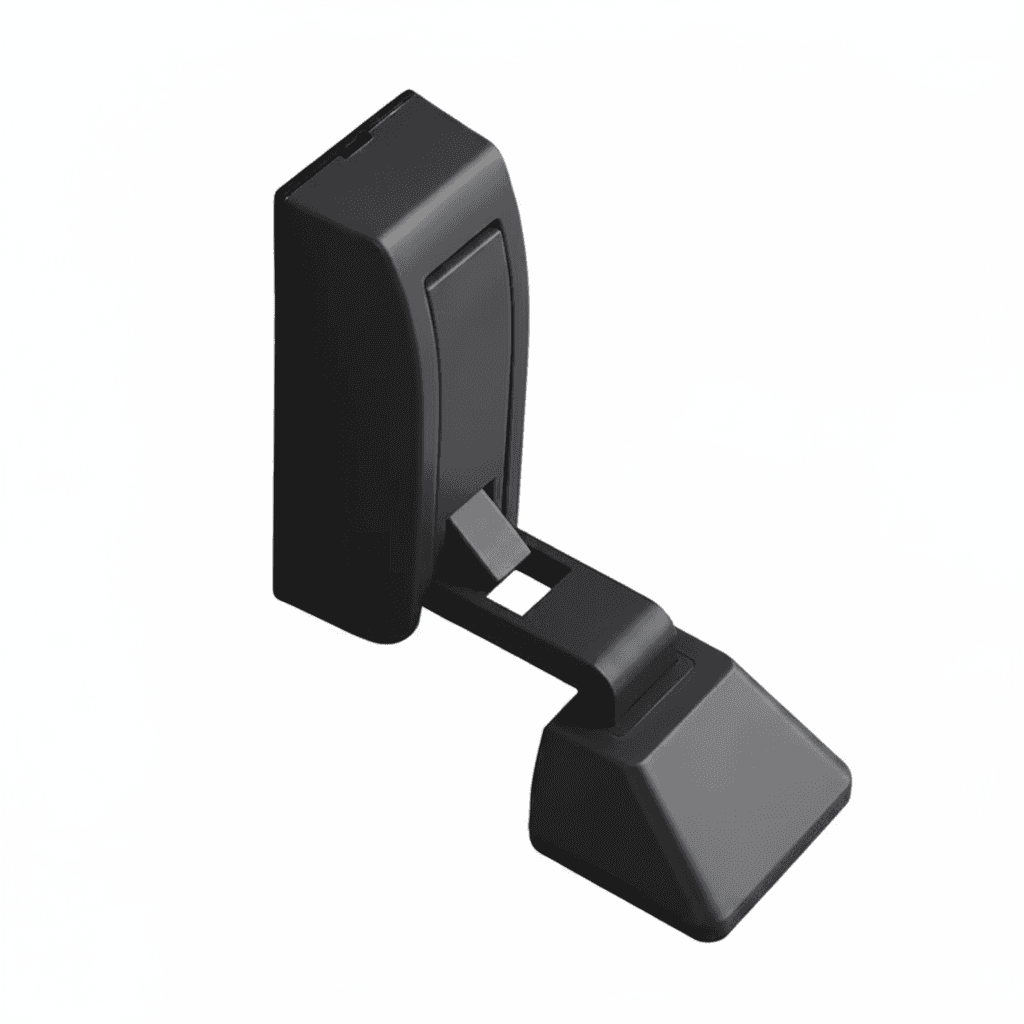
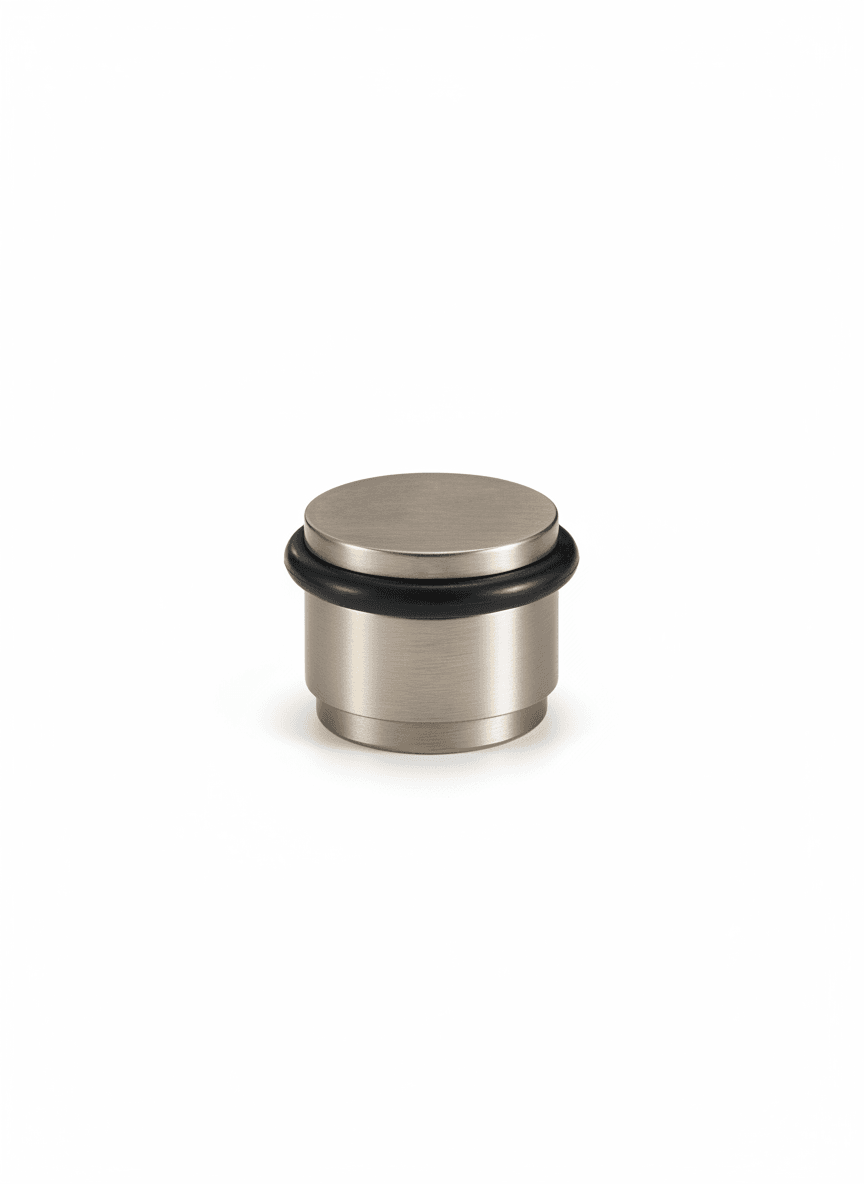
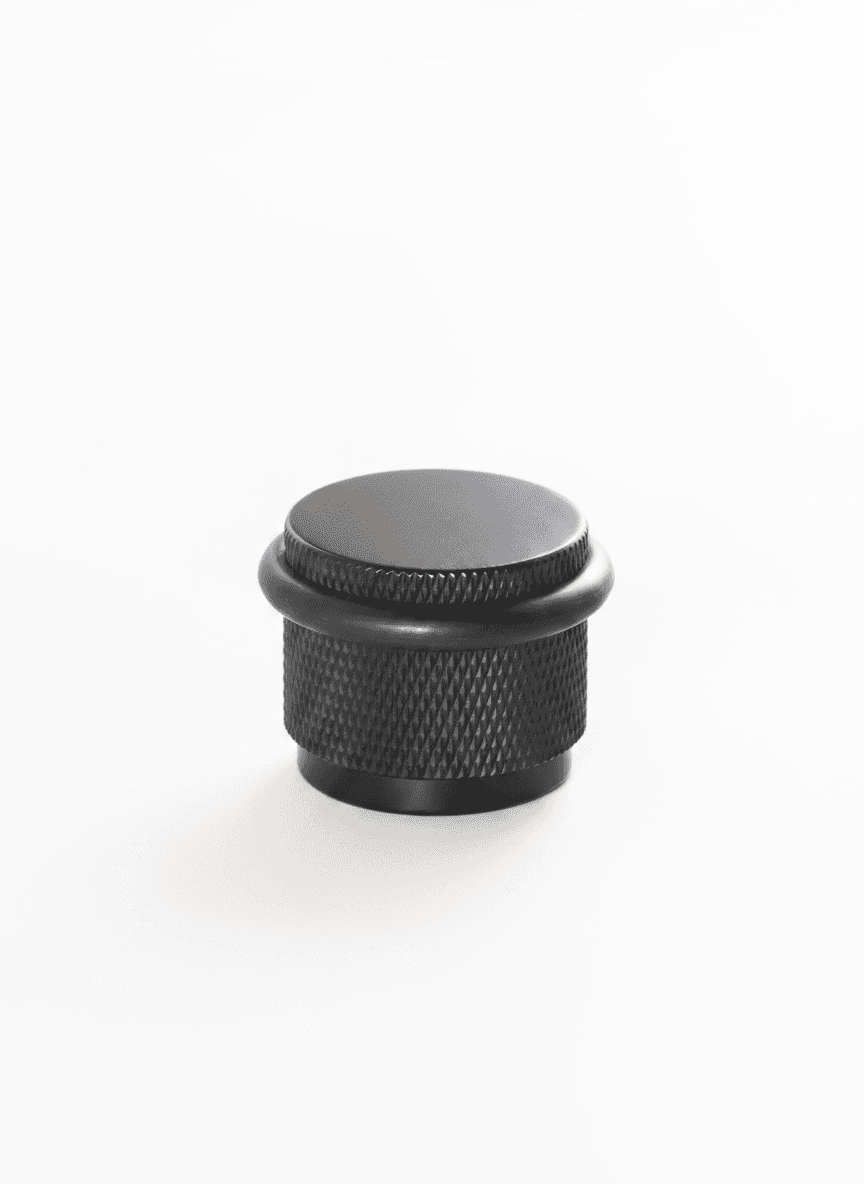
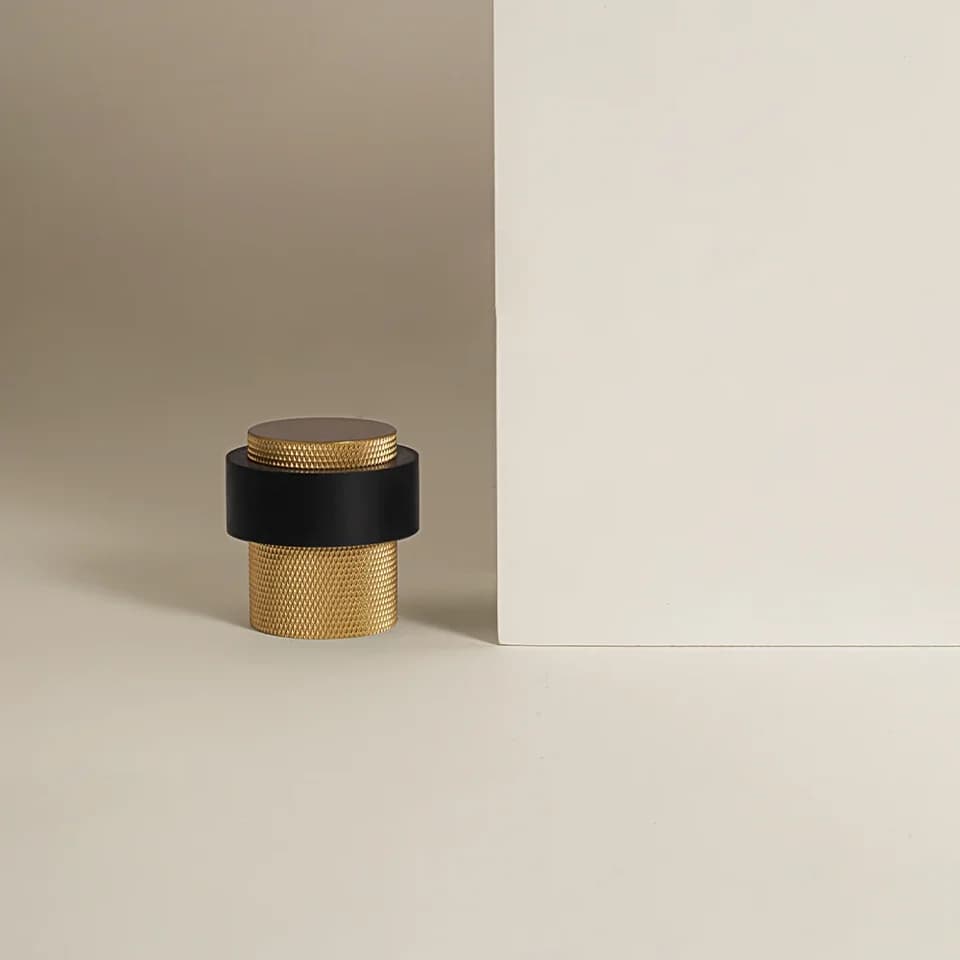
Compel supplies facilities hardware built for plant maintenance teams, commercial contractors, and industrial facility managers. Our inventory covers perimeter and doorway control equipment, including every standard floor door stopper, magnetic door holder, and impact-absorbing bumper. These components protect wall cladding, frames, and door assemblies in heavy-traffic corridors, service bays, and production plants.
We stock units manufactured from 304 stainless steel, solid brass, and zinc alloy to withstand constant abuse from carts and foot traffic. Compel delivers reliable stock availability, direct trade shipments, and complete hardware specifications to keep your site maintenance schedules moving on budget.
7 products in Facilities Hardware
Facilities Hardware
Facilities Hardware
Facilities Hardware
Facilities Hardware
Facilities Hardware
Facilities Hardware
Facilities Hardware
Selecting the right floor door stopper depends on your floor substrate and mechanical anchoring allowances. We stock dual-mount designs that install using either mechanical fasteners or heavy-duty adhesive stickers.
Mechanical anchor screws provide maximum shear strength on concrete slabs, cement screed, and wood subfloors. Adhesive mounting suits sensitive tiled surfaces or areas where drilling into embedded floor heating or post-tensioned slabs is prohibited.
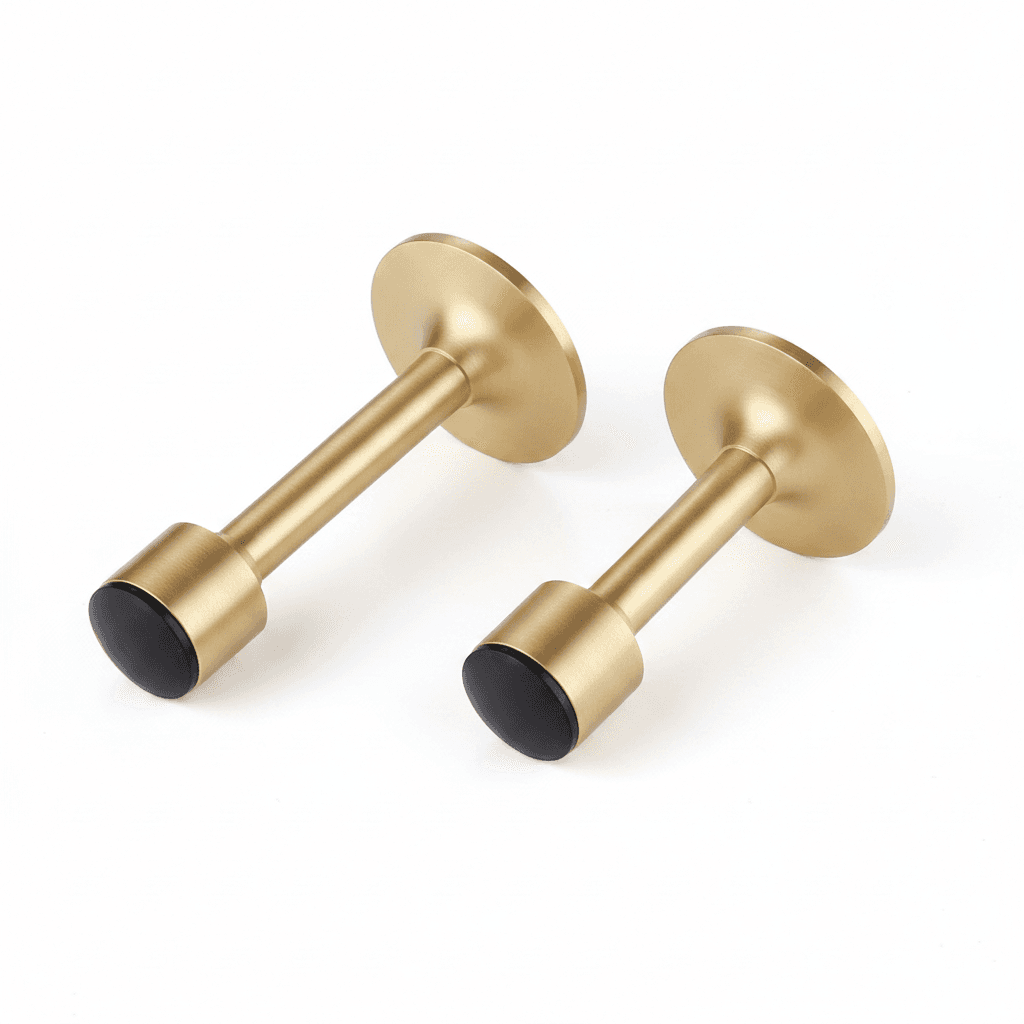
Industrial hardware must resist mechanical shock, cyclic stress, and localized chemical exposure. A solid brass door stop delivers heavy-duty protection and natural corrosion resistance across indoor and outdoor use.
For areas requiring aggressive washdown cycles or exposed to high humidity, select 304 stainless steel catches. Standard utility and office zones can utilize surface-treated zinc alloy housings with rubber bumpers to isolate impact energy effectively without damaging painted door faces.
Industrial doors often run non-standard sill clearances due to thresholds, ramps, or sloped slabs. Standard stops will fail if the bumper face does not align with the lower rail of the door leaf.
Measure the undercut gap before ordering. Our inventory includes hardware built for an applicable door gap of 5-30MM. If your door sits higher off the slab, choose models with adjustable 3cm height mechanisms to align the rubber door stopper with the strike point.
Buying guide
We use cookies. Some keep the store working, others show us what to fix. No third-party trackers, and we never sell your data. Learn more about cookies and your privacy