
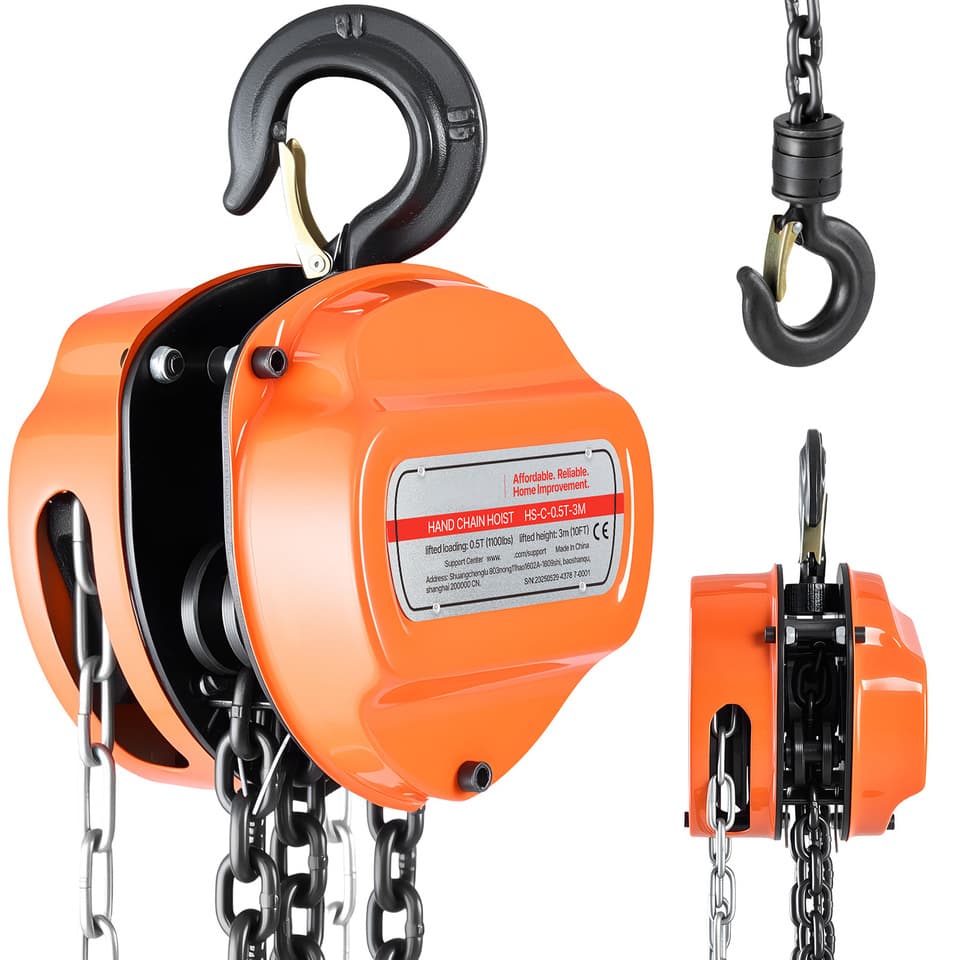
Chain Hoists
Chain Hoist | G80 Galvanized Chain | 10ft Lift for Corrosion Resistance
CMP-04600CHAI-00001
£214.99
6 products available
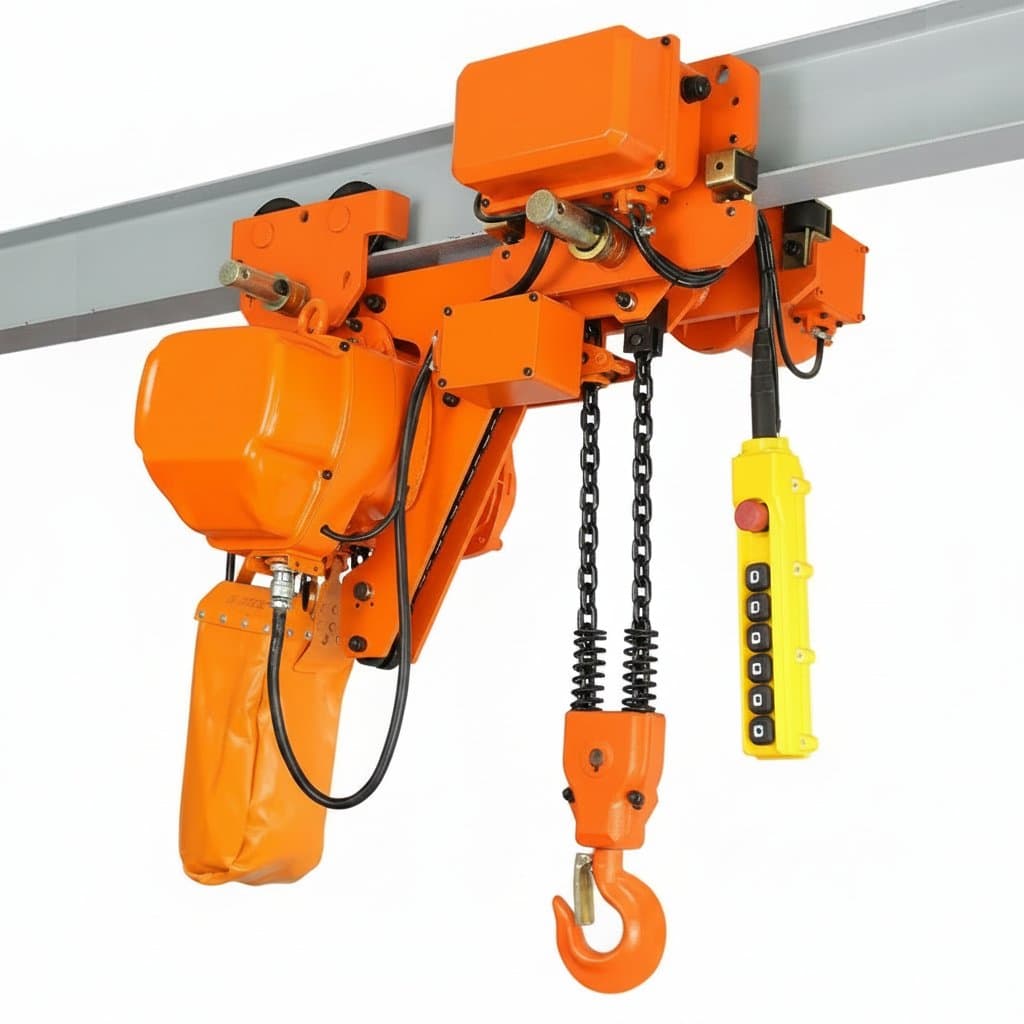
Chain hoists are mechanical devices used across industry for lifting and lowering heavy loads safely and efficiently. They use a chain and pulley system to multiply force, allowing a single operator to move items that would otherwise require a crane or forklift. Our selection includes both manual chain hoists, operated by hand, and provides information to help you distinguish them from electric chain hoists, which are motor-driven for faster or more frequent use.
Primarily designed for workshops, manufacturing plants, and construction sites, these tools are used for engine repair, machinery installation, and materials handling. We supply a focused range of heavy duty lifting chain hoist options, including chain blocks and ratchet lever hoists with capacities up to 2 tons and lifting heights up to 6.1 meters. Compel provides the clear, detailed specifications you need to select the correct hoist for your application's load and environment.
6 products in Chain Hoists
Chain Hoists
Chain Hoists
Chain Hoists
Chain Hoists
Chain Hoists
 Out of stock
Chain Hoists
The first decision is between a manual or an electric chain hoist. A manual chain hoist is ideal for applications requiring precise load positioning, for intermittent use, or in locations where a power supply is unavailable or impractical. They are cost-effective and simple to maintain.
An electric chain hoist is the better choice for repetitive, high-volume lifting tasks, such as on an assembly line. They offer greater speed and reduce operator fatigue but require a power source and more complex maintenance. Our catalog focuses on manual models for their reliability in a wide range of field and shop conditions.
A hoist's capacity must always exceed the maximum weight of the loads you plan to lift. Never operate a hoist at or near its maximum rated limit. Our hoists are available in common capacities from 0.5 to 2 tons. Weigh your heaviest typical load and select the next highest capacity to ensure a safe margin.
Lifting height is the maximum vertical distance the hook can travel. To determine your required lift, measure from the hoist's mounting point (e.g., an I-beam) down to the lowest point the hook will need to reach. We offer standard lift heights from 3 to 6.1 meters to suit most workshop and low-bay industrial environments.
Different hoist types suit different tasks. Understanding the mechanics helps you choose the correct tool.
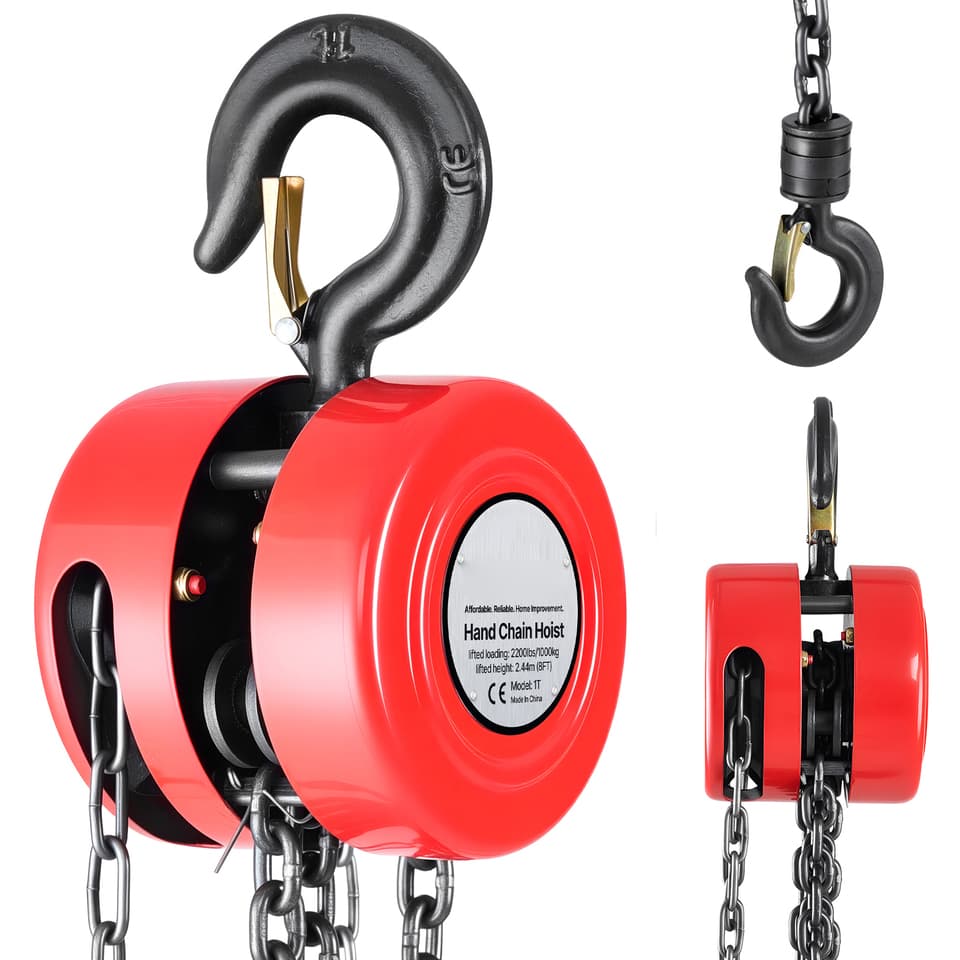
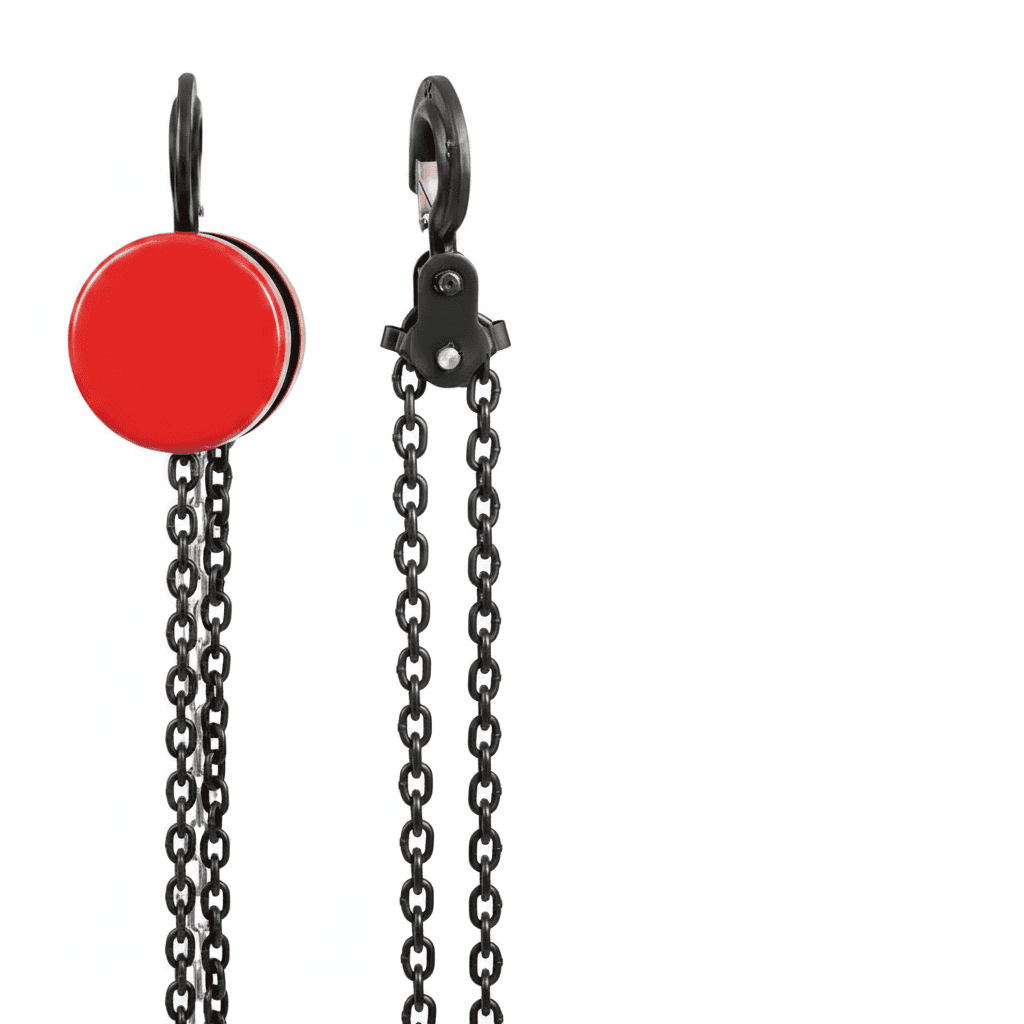
A hand chain hoist, or chain block, is designed for vertical lifting. The operator pulls a light hand chain, which activates the gearing to lift or lower the load on the main chain. It is a standard choice for vertical machinery lifts.
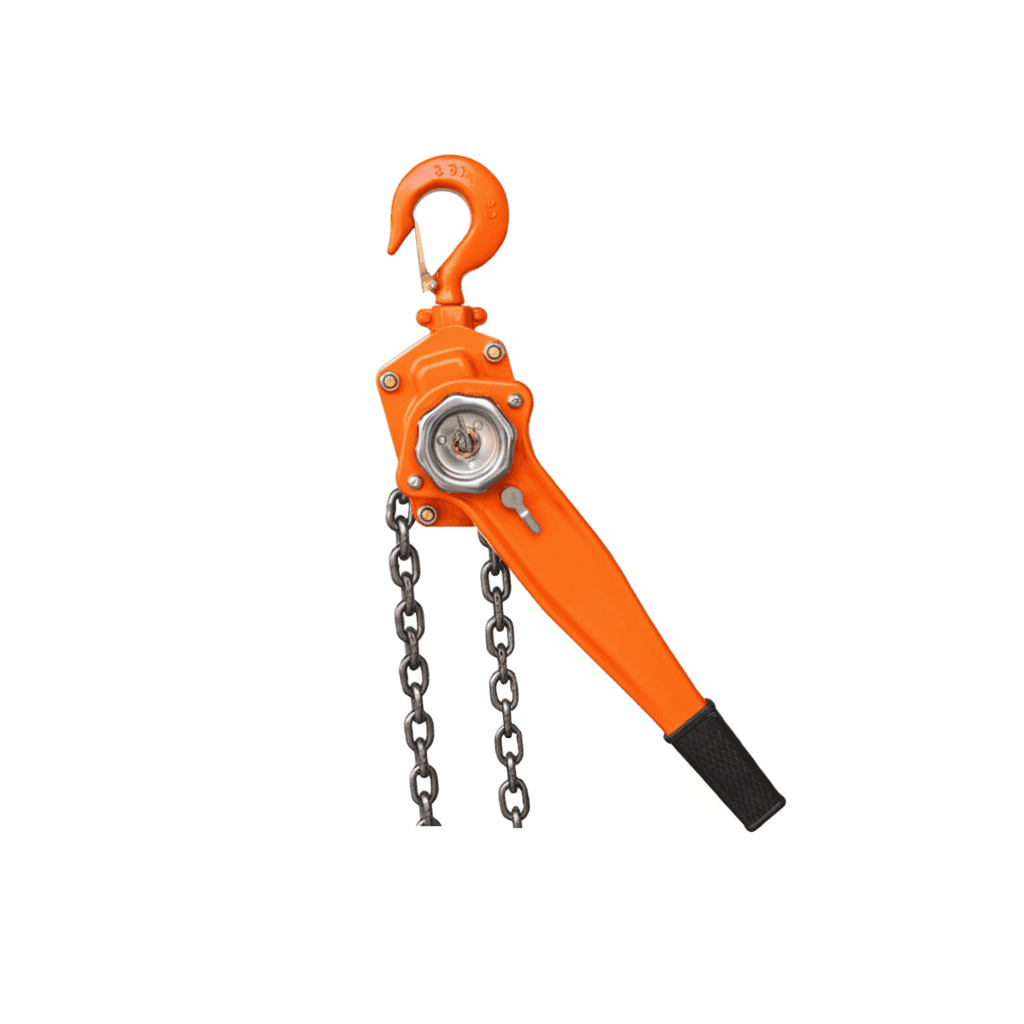
A ratchet lever hoist is operated with a lever handle. It is more compact and can be used for lifting, pulling, and tensioning in any orientation, including horizontally. This makes it useful for load securing or equipment positioning in tight spaces.
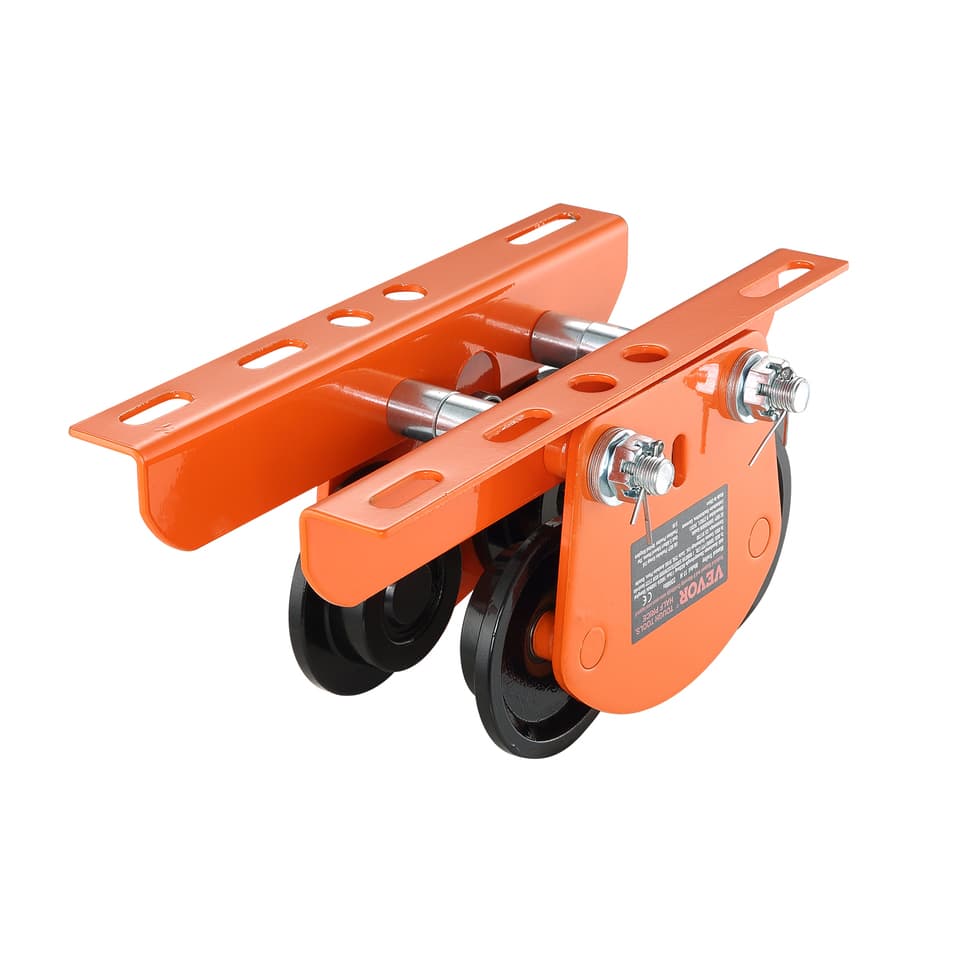
For horizontal movement, a hoist can be mounted to an I-beam trolley. A manual push trolley allows the operator to move the suspended load along a beam. Ensure the trolley's capacity matches or exceeds the hoist's and that it is compatible with your beam's flange width.
Buying guide
We use cookies. Some keep the store working, others show us what to fix. No third-party trackers, and we never sell your data. Learn more about cookies and your privacy