
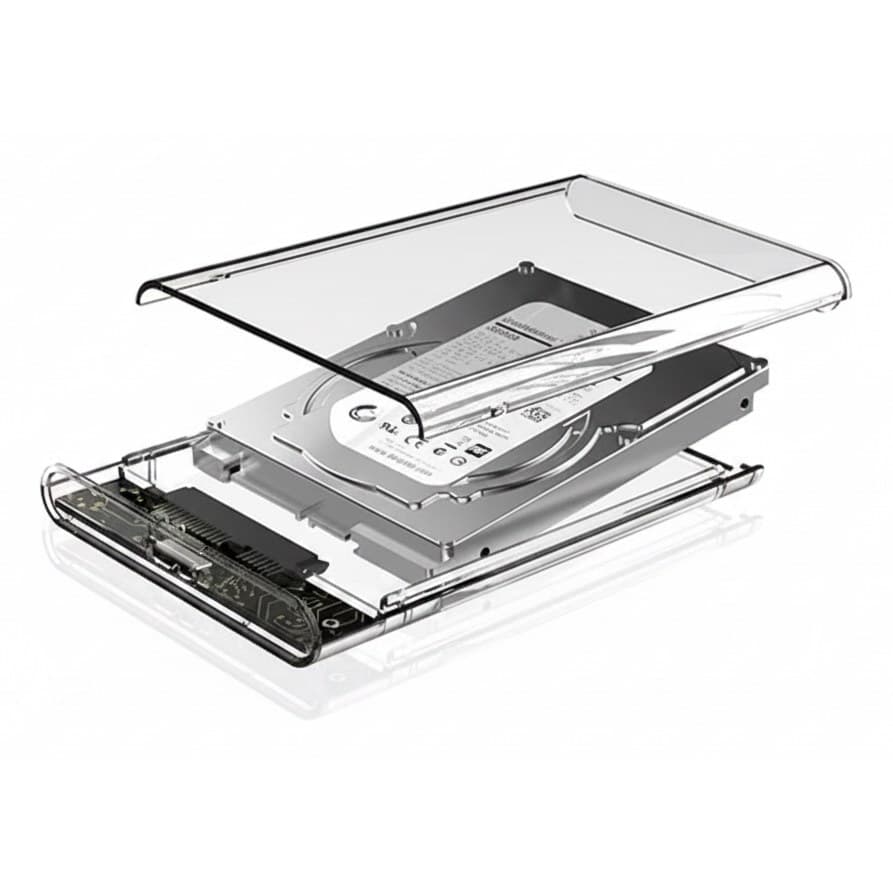
Drive Enclosures
USB-C SATA Drive Enclosure | 2.5-inch HDD/SSD | UASP Support
TBS-06582ENCL-00006
£52.99
37 products available
Compel supplies industrial-grade drive enclosures designed to convert bare storage media into secure, bus-powered external drives for field service, IT maintenance, and data migration. Our inventory covers compact external SSD enclosure units and high-capacity hard drive enclosure systems built for technician toolkits and test benches. Whether your team requires a 2.5 hard drive enclosure for legacy mechanical disks or a high-speed nvme enclosure for modern solid-state modules, we stock configurations that maintain stable data buses across demanding operating environments.
We carry enclosures matching SATA 1.0, SATA 2.0, and SATA 3.0 standards, alongside dual-protocol M.2 solutions supporting NVMe PCIe and NGFF SATA architectures. Choose from Aluminum Alloy housings with integrated passive cooling or tool-free ABS shells for rapid drive swaps in production lines. Compel maintains full technical documentation across all storage accessories, ensuring consistent transfer rates and reliable hardware recognition for enterprise computing infrastructure.
37 products in Drive Enclosures
Drive Enclosures
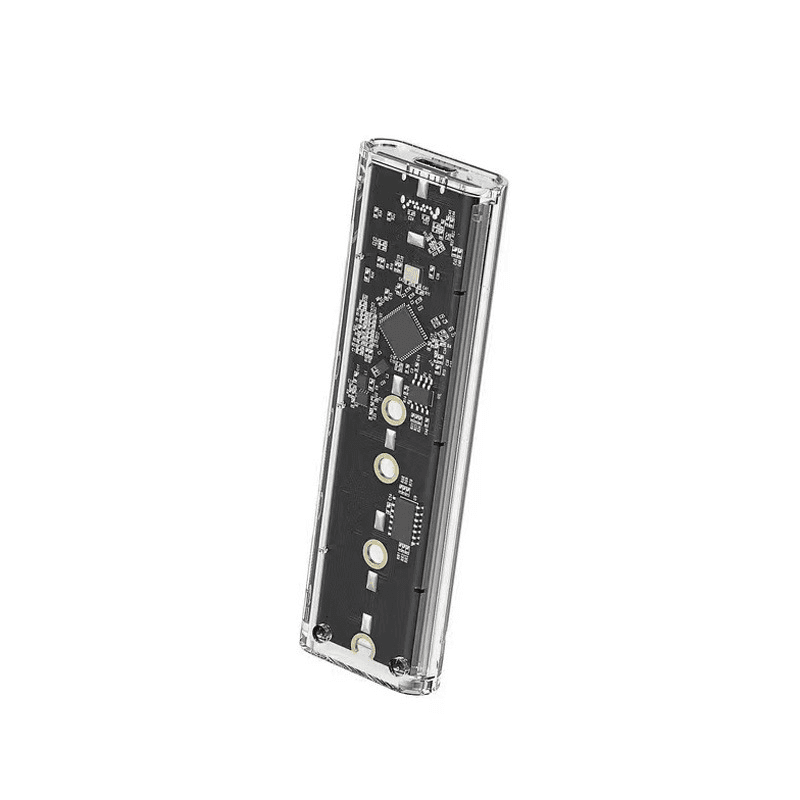
Drive Enclosures

Drive Enclosures
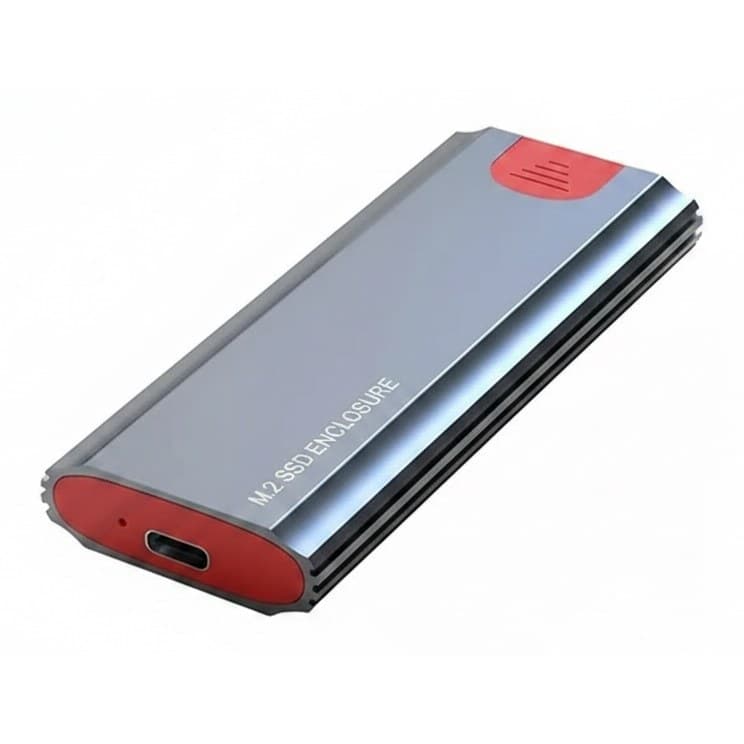
Drive Enclosures
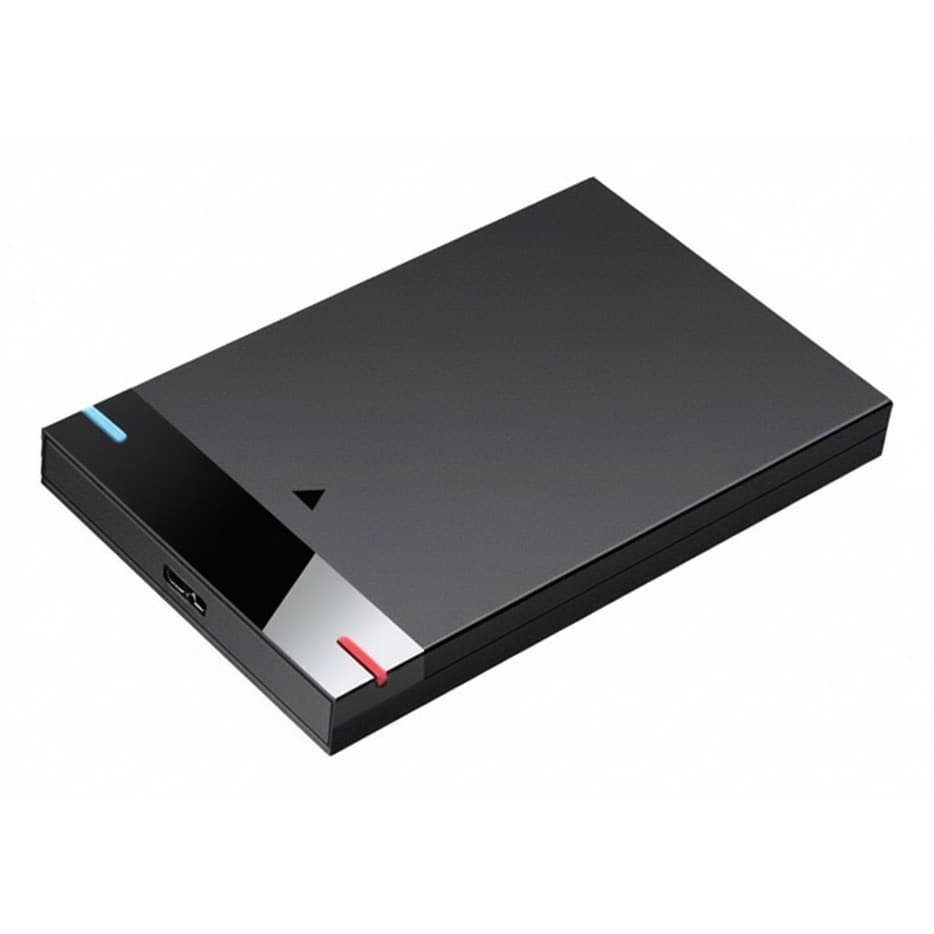
Drive Enclosures
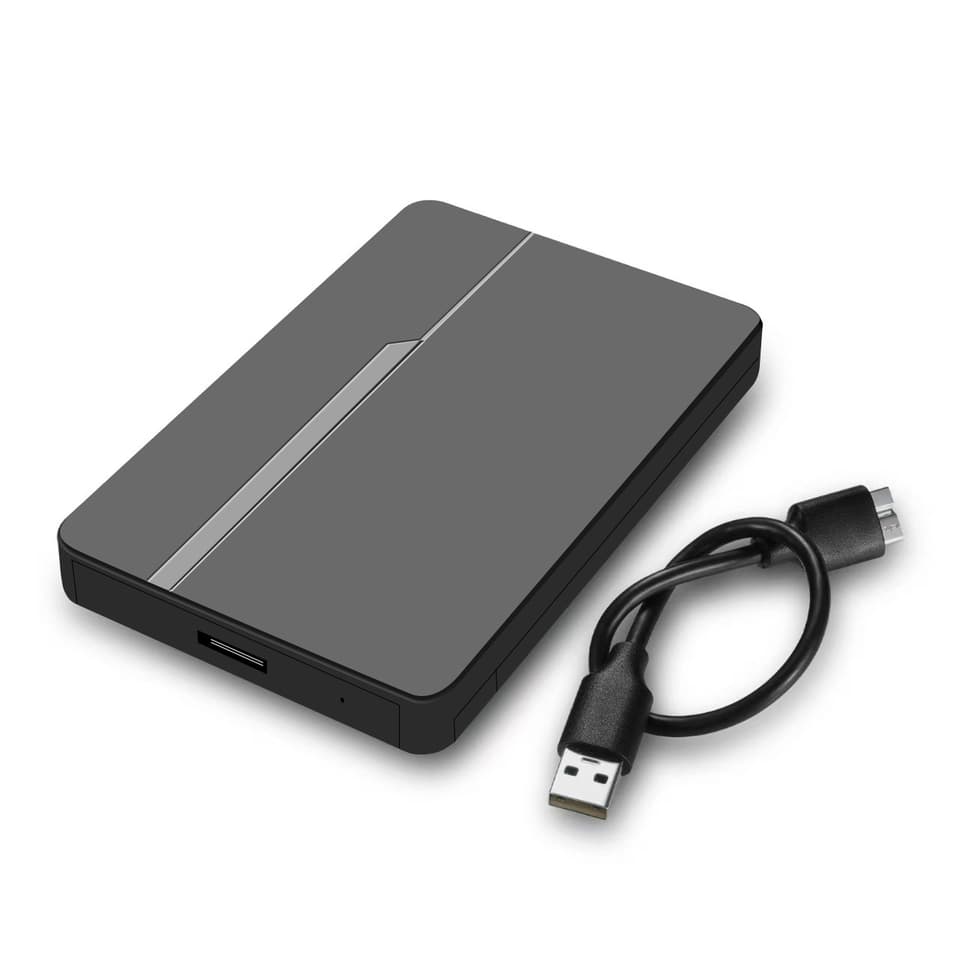
Drive Enclosures
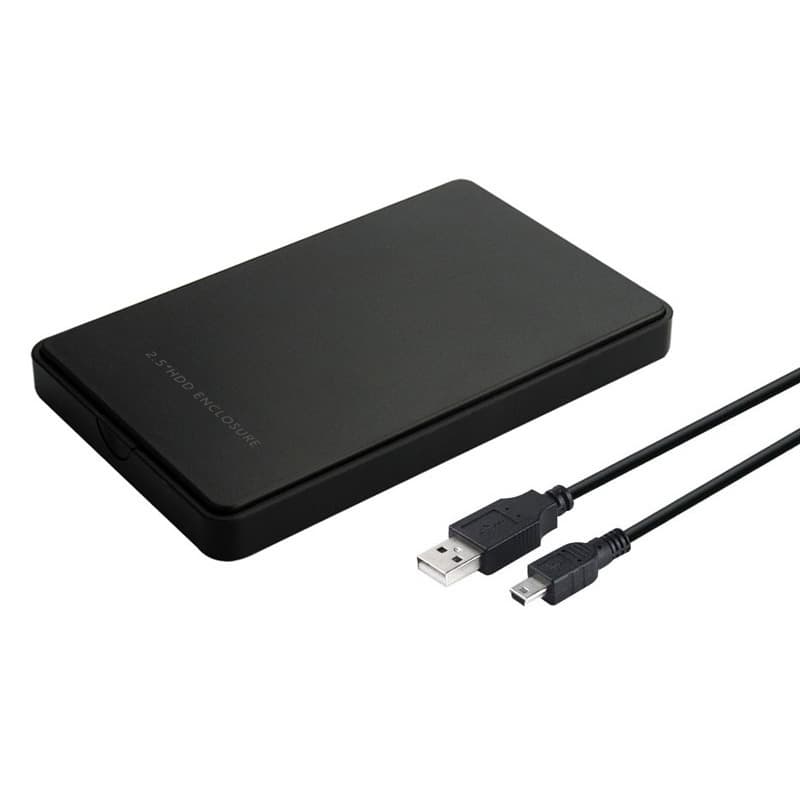
Drive Enclosures

Drive Enclosures

Drive Enclosures
Showing page 2 of 2 (37 products)
Selecting the right ssd enclosure begins with the physical form factor and storage protocol of your internal media. Mechanical drives and standard 2.5-inch solid-state disks rely on SATA connections, whereas modern high-speed cards require an M.2 socket. Matching the internal interface ensures direct controller communication without bus conflicts.
For mixed-inventory IT departments, a dual-protocol M.2 NVMe enclosure handles both PCIe and NGFF SATA modules on the same connector, reducing the test hardware required by service technicians.
The external connector governs transfer rates between your drive enclosure and host hardware. Standard USB 3.0 ports deliver 5 Gbps bandwidth, which pairs well with mechanical storage and SATA solid-state drives running near 6 Gbps maximum theoretical bus speeds.
Deploying an NVMe module requires greater throughput. Selecting a usb c hard drive enclosure equipped with USB 3.2 Gen 2 Type-C provides 10 Gbps transfer speeds, preventing external connection bottlenecks during system imaging or rapid backup cycles.
Drive longevity depends heavily on the housing build. Aluminum Alloy and metal shells with a built-in heat sink draw heat away from flash memory controllers, preventing thermal throttling during sustained data transfers. Plastic, ABS, and Transparent PC cases provide lightweight, tool-free access for rapid bench swaps where visual inspection of the drive label is helpful.
Physical sizing and addressable capacity must align with your drive hardware. Check internal height allowances and addressable capacity thresholds on the individual listing before deployment.
Buying guide
We use cookies. Some keep the store working, others show us what to fix. No third-party trackers, and we never sell your data. Learn more about cookies and your privacy