
Brake Rotors
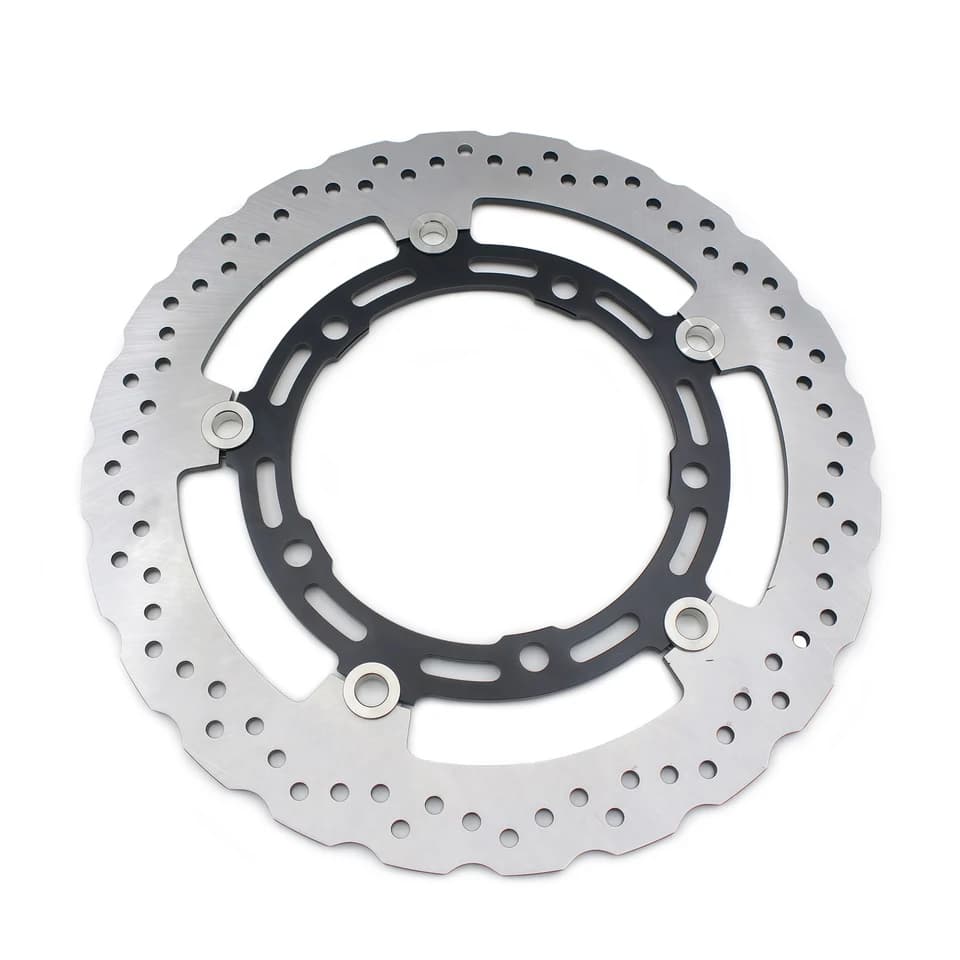
Brake Rotors | Kawasaki Ninja 400 / Z400 | Front Disc
CMP-01744BRAK-00002
£163.99
11 products available
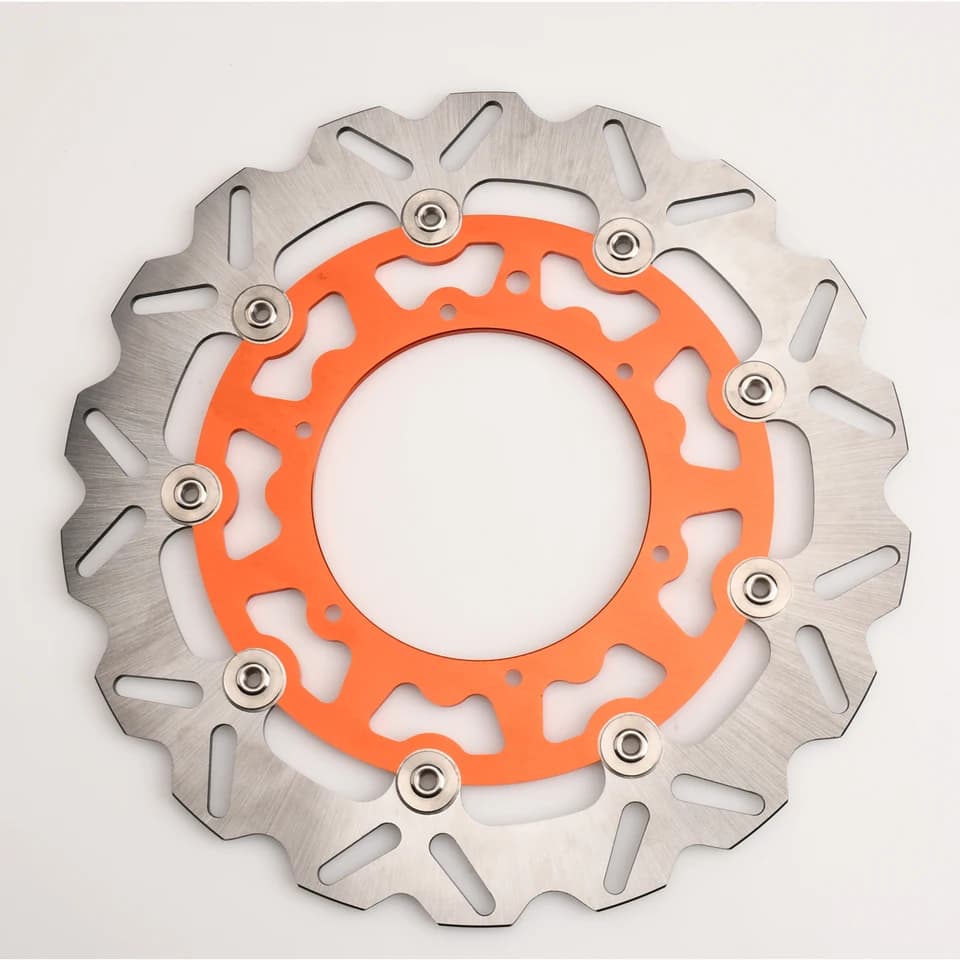
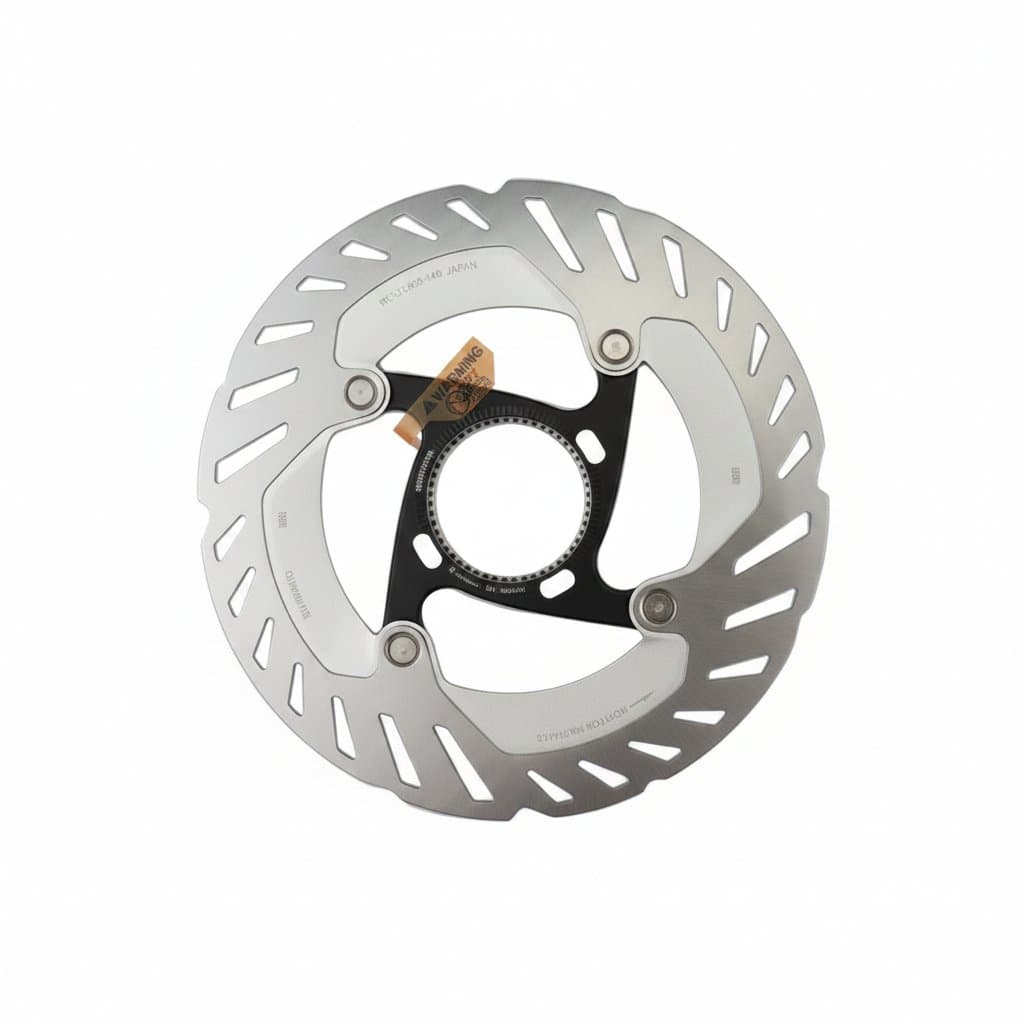
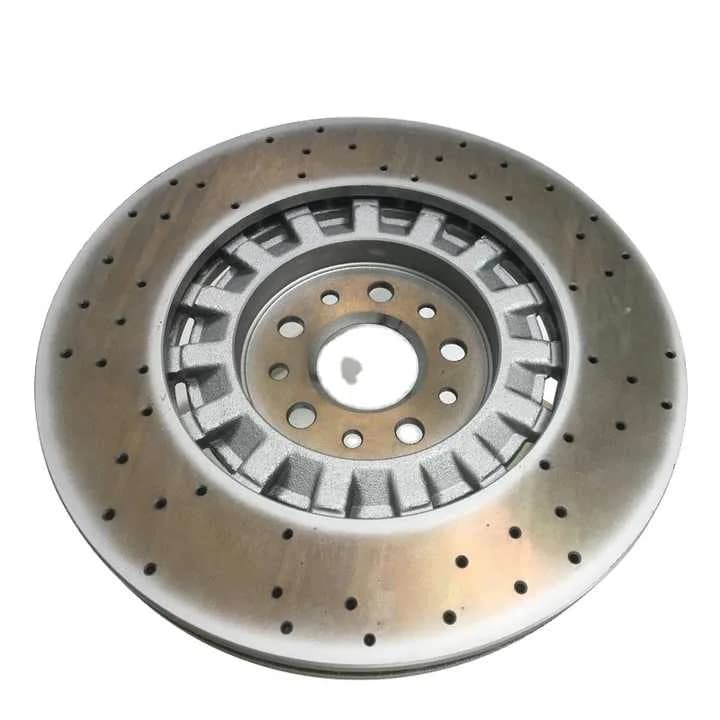
Brake rotors are critical mechanical components designed to dissipate kinetic energy and provide reliable stopping power for fleet vehicles, light electric utility transport, motorcycles, and commercial mobility units. Compel stocks a comprehensive range of heavy-duty brake rotors engineered to withstand high thermal loads and extreme mechanical stress. Our inventory covers applications from precision 140mm center-lock floating discs for commercial light-duty e-bikes up to 320mm high-performance front disc kits for powersports and fleet utility motorcycles.
We supply fleet maintenance departments, industrial transport operators, and commercial repair facilities with high-grade components that meet exact dimensional tolerances. Sourcing your replacement rotors, bolt kits, and caliper brackets from Compel helps you secure reliable component lifespan, reduced maintenance downtime, and procurement efficiencies across your entire vehicle fleet.
11 products in Brake Rotors
Brake Rotors
Brake Rotors
Brake Rotors

Brake Rotors
Brake Rotors
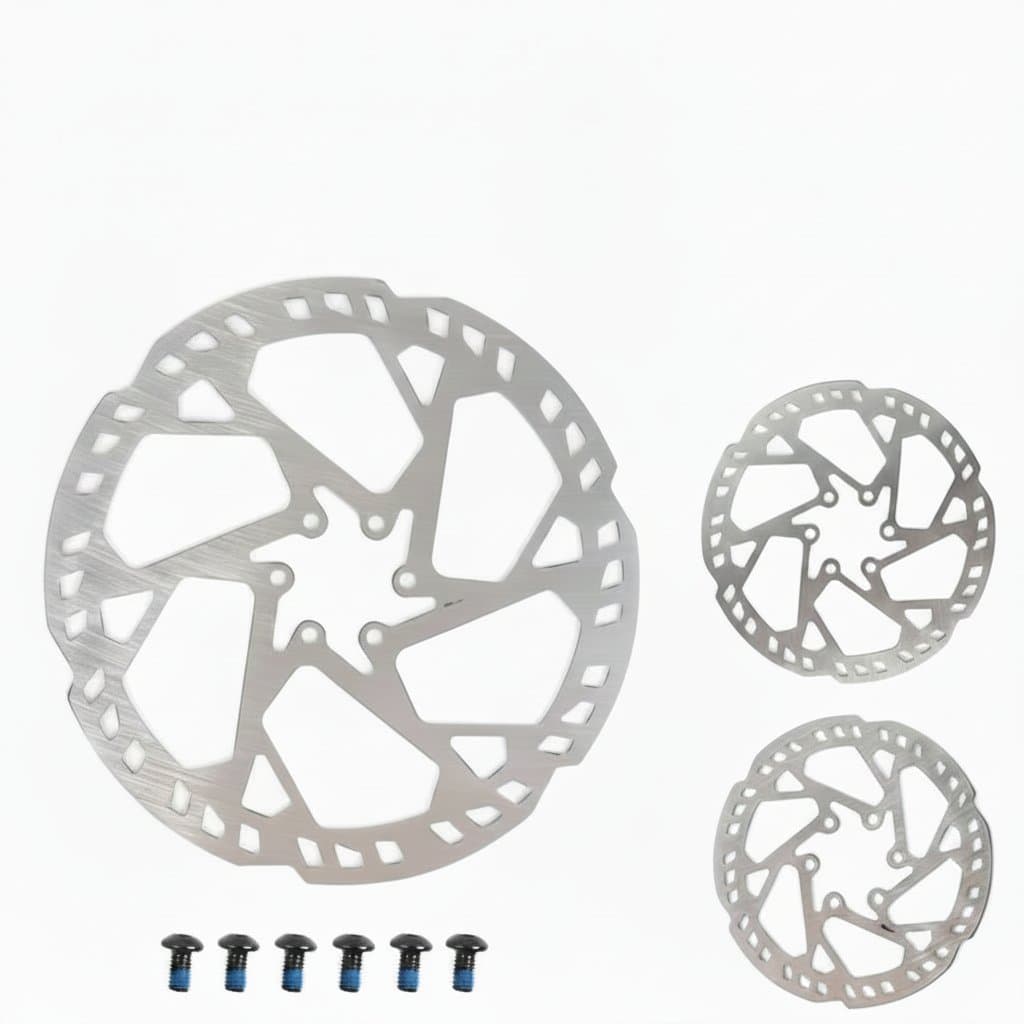
Brake Rotors
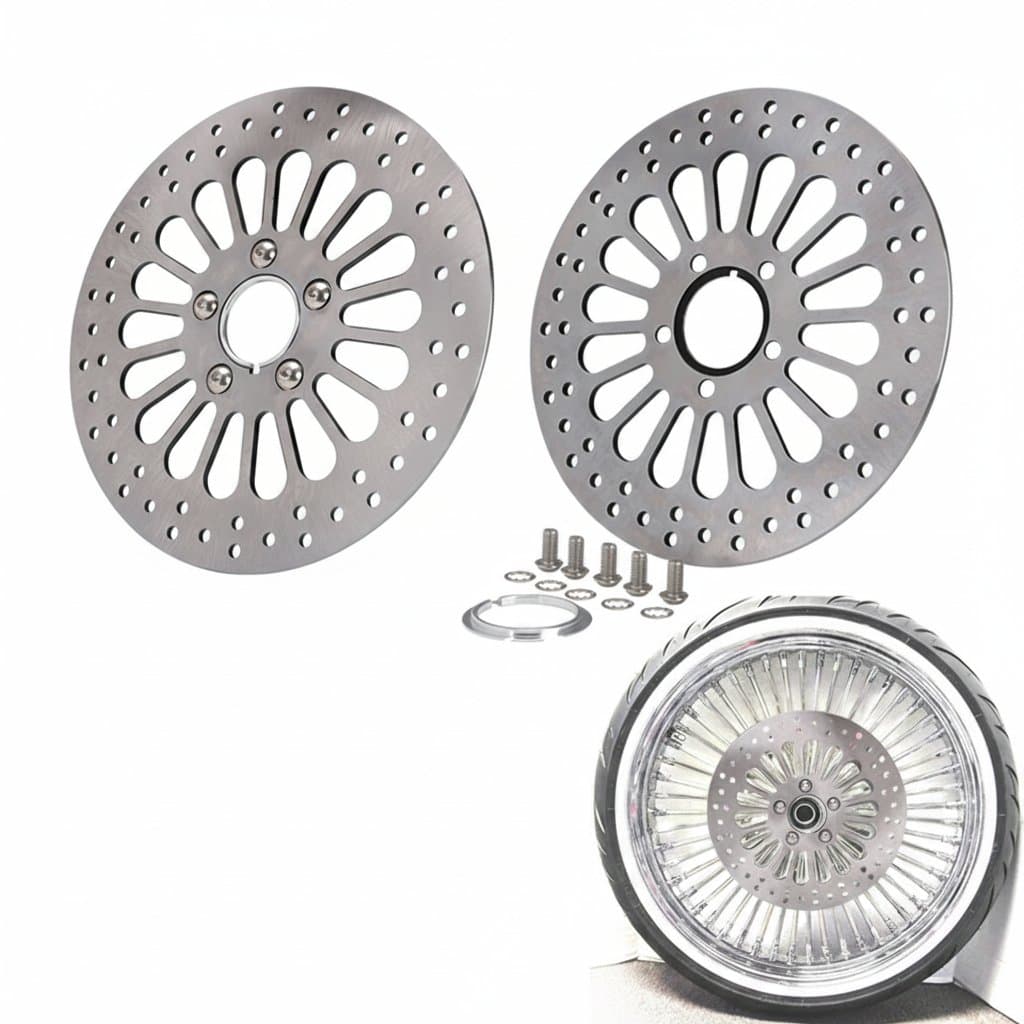
Brake Rotors

Brake Rotors
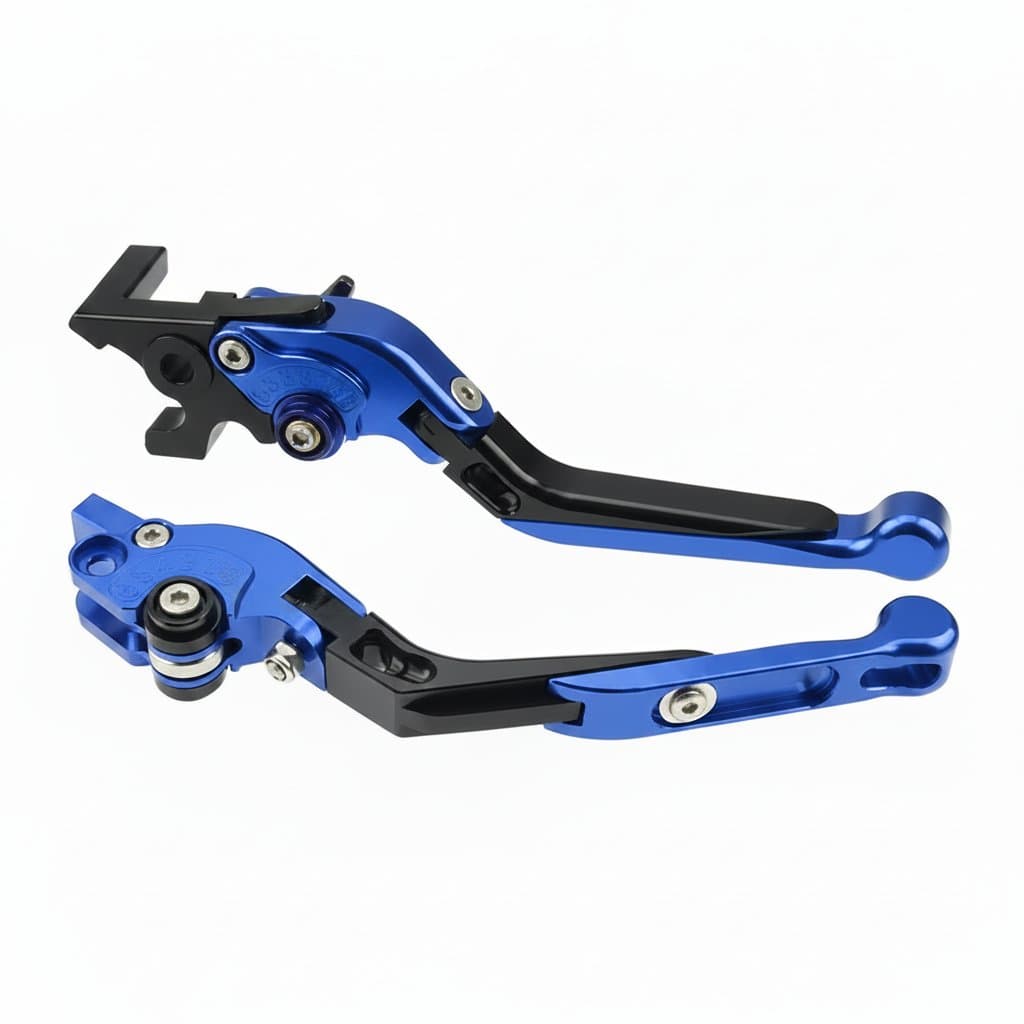
Brake Rotors
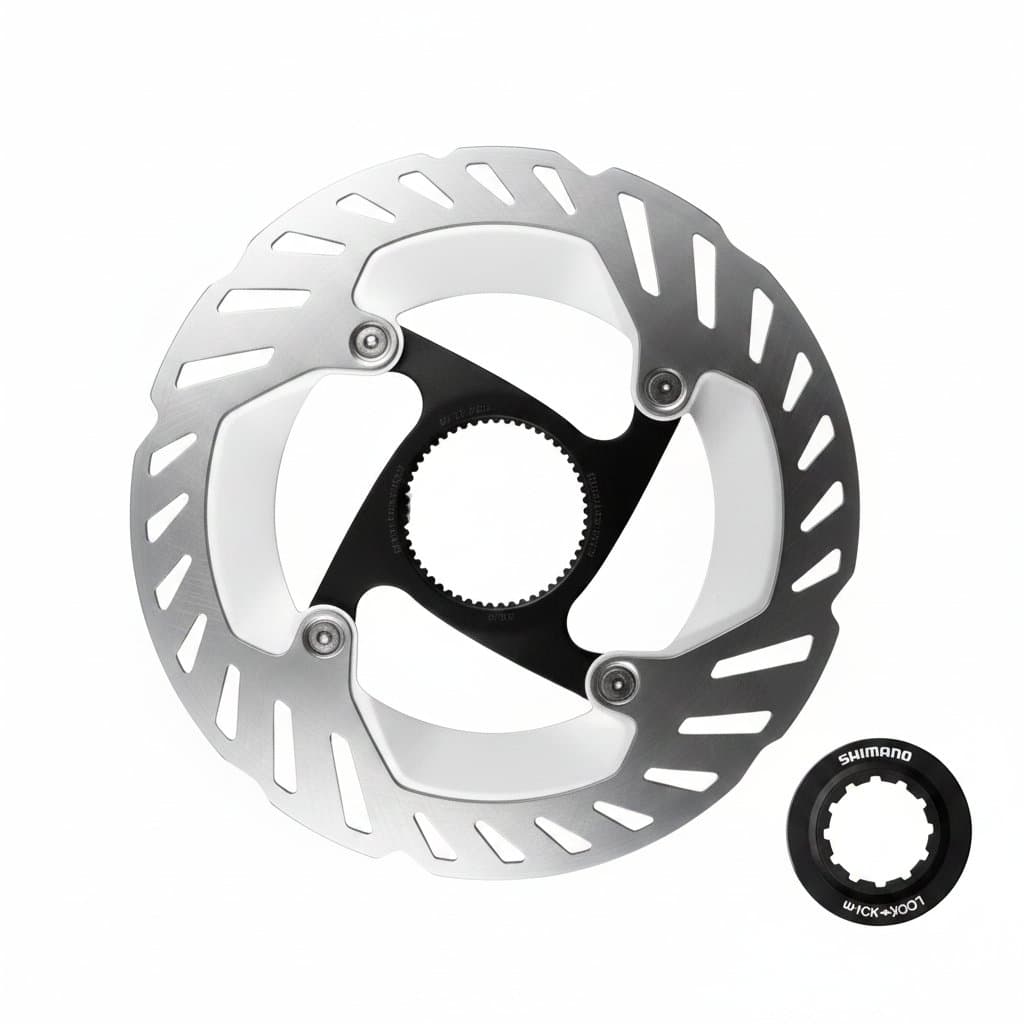
Brake Rotors
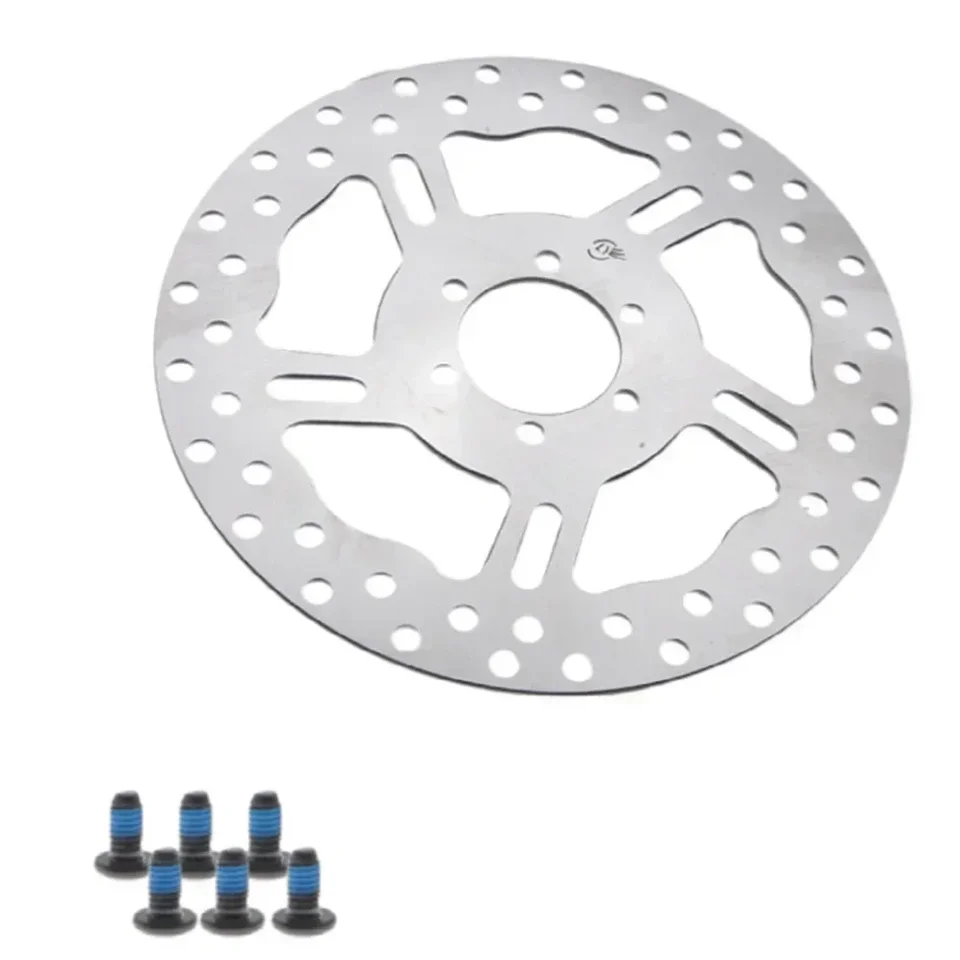 Out of stock
Brake Rotors
When replacing rotors on commercial fleets or utility bikes, the hub mounting interface is your first design constraint. Systems generally fall into two categories: 6-bolt ISO patterns and splined Center Lock interfaces. Center Lock designs, common in hydraulic road and multi-terrain systems, offer rapid installation and self-centering alignment.
For heavy-duty electric utility vehicles and powersports, traditional bolted designs predominate. Ensure you match the bolt circle diameter and thread specifications exactly. For instance, Harley-Davidson applications typically require high-tensile front brake rotor bolt kits to secure 30cm (300mm) stainless steel rotors safely.
Industrial rotors must balance wear resistance with thermal management. Standard stainless steel rotors, such as 420 stainless steel alloy, provide exceptional corrosion resistance and durability for outdoor utility motorcycles and fleet vehicles.
For high-load applications like electric utility vehicles or cargo e-bikes, rotor thickness is a critical safety threshold. Standard bicycle rotors are often 1.8mm thick, but heavy-duty electric vehicles require thickened rotors of 2.3mm or 3.0mm to prevent thermal warping under continuous load.
Altering rotor diameter directly impacts braking torque but requires matching caliper positioning. Standard sizes range from 140mm and 160mm for light cargo units up to 320mm oversized discs for utility powersports.
If upgrading a fleet vehicle to a larger disc size for increased braking authority, you must install a compatible caliper adaptor bracket. For example, upgrading to a 320mm front disc on a utility motorcycle requires a corresponding caliper bracket to maintain proper pad contact and clearance.
Buying guide
We use cookies. Some keep the store working, others show us what to fix. No third-party trackers, and we never sell your data. Learn more about cookies and your privacy