
Water Sports
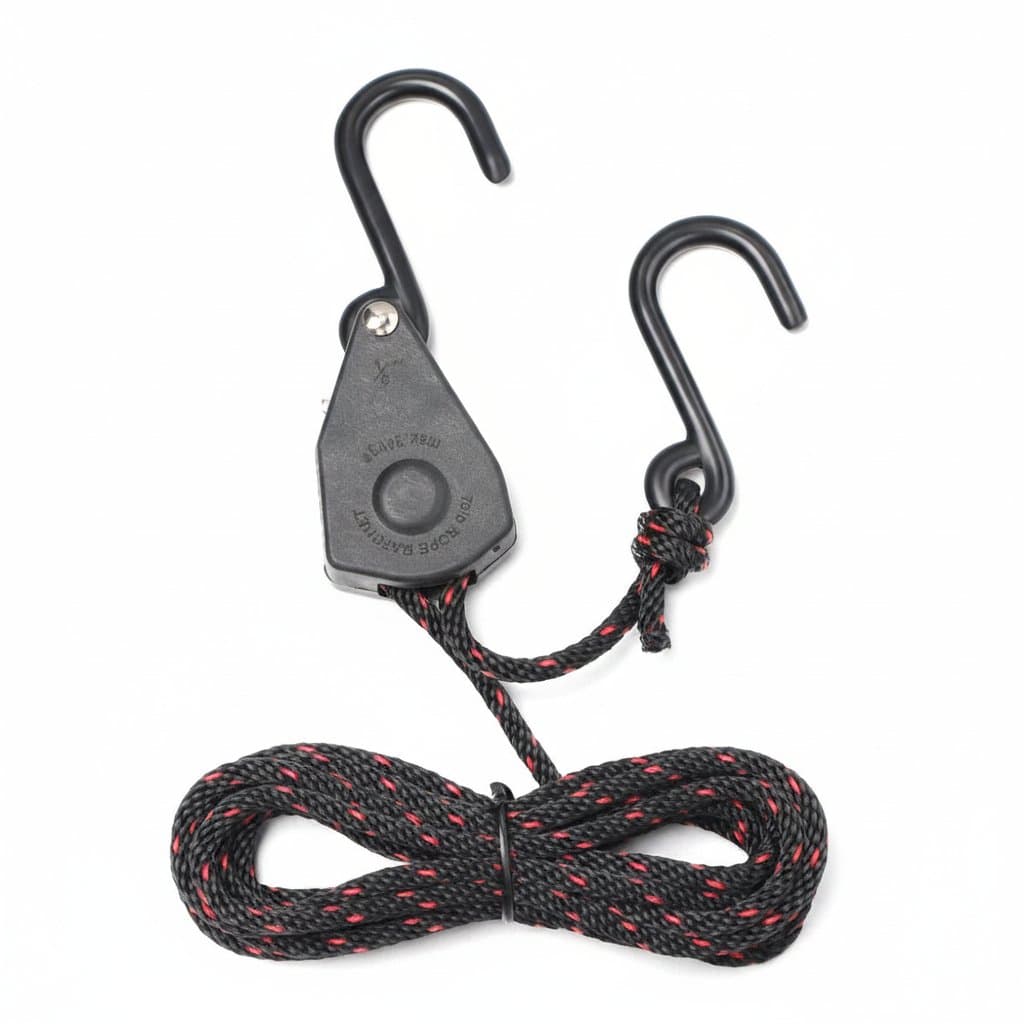
Heavy-Duty Kayak Tie-Down Straps | Adjustable Ratchet System for Secure Bow & Stern Transport
TBS-04595SPRT-00001
£27.99
1 product available
Compel supplies commercial-grade water sports transport and rigging hardware built for fleet operators, marine logistics, and outdoor recreation businesses. From heavy-duty kayak tie-downs to marine-grade securing hardware, our inventory supports high-frequency industrial use. We stock components engineered to withstand constant UV exposure, saltwater environments, and high-tension transport demands.
Procurement professionals choose Compel for verified load capacities, bulk volume pricing, and reliable lead times. Whether you manage a commercial kayak rental fleet, transport watercraft for search and rescue operations, or supply municipal parks, we deliver the rigging equipment that keeps your operations safe and compliant.
1 products in Water Sports
Commercial transport demands high safety margins. Tie-down systems must secure watercraft against highway-speed wind resistance and sudden stops. Look for hardware with a rated load capacity that exceeds the physical weight of the watercraft by a defined safety margin. We recommend a safety factor of at least three to one for commercial transit.
Dynamic forces during highway travel can easily double the static weight of the watercraft on your rigging system.
Marine environments degrade standard transport hardware quickly. Industrial water sports gear requires materials that resist rot, stretch, and corrosion. Polyester webbing is preferred over nylon for wet applications because it retains its strength when wet and resists stretching under load.
Metal components must resist rust to maintain their mechanical integrity over years of service.
Buying guide
We use cookies. Some keep the store working, others show us what to fix. No third-party trackers, and we never sell your data. Learn more about cookies and your privacy