
Climbing & Mountaineering
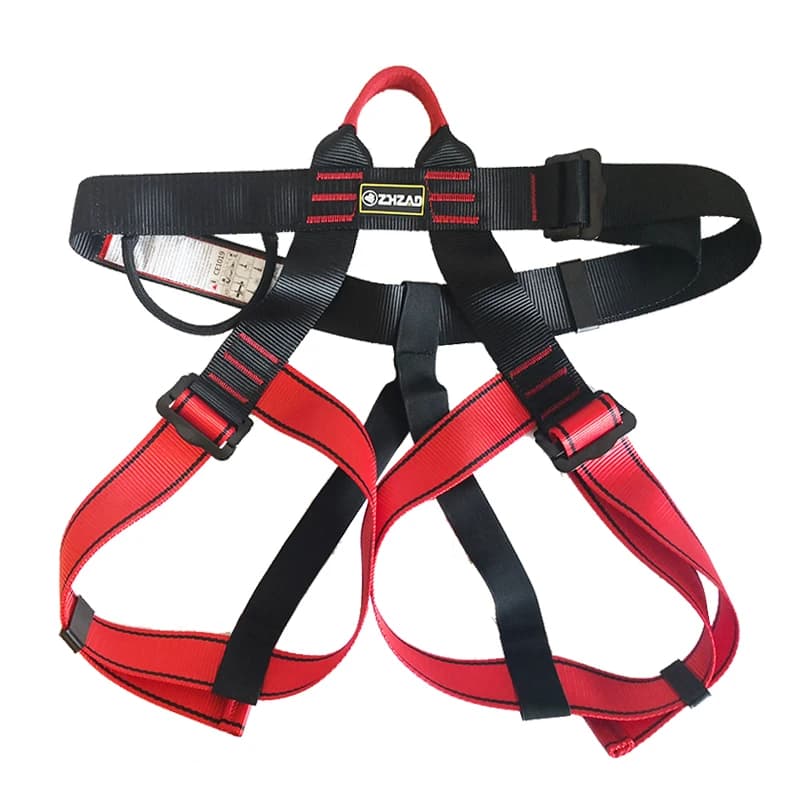
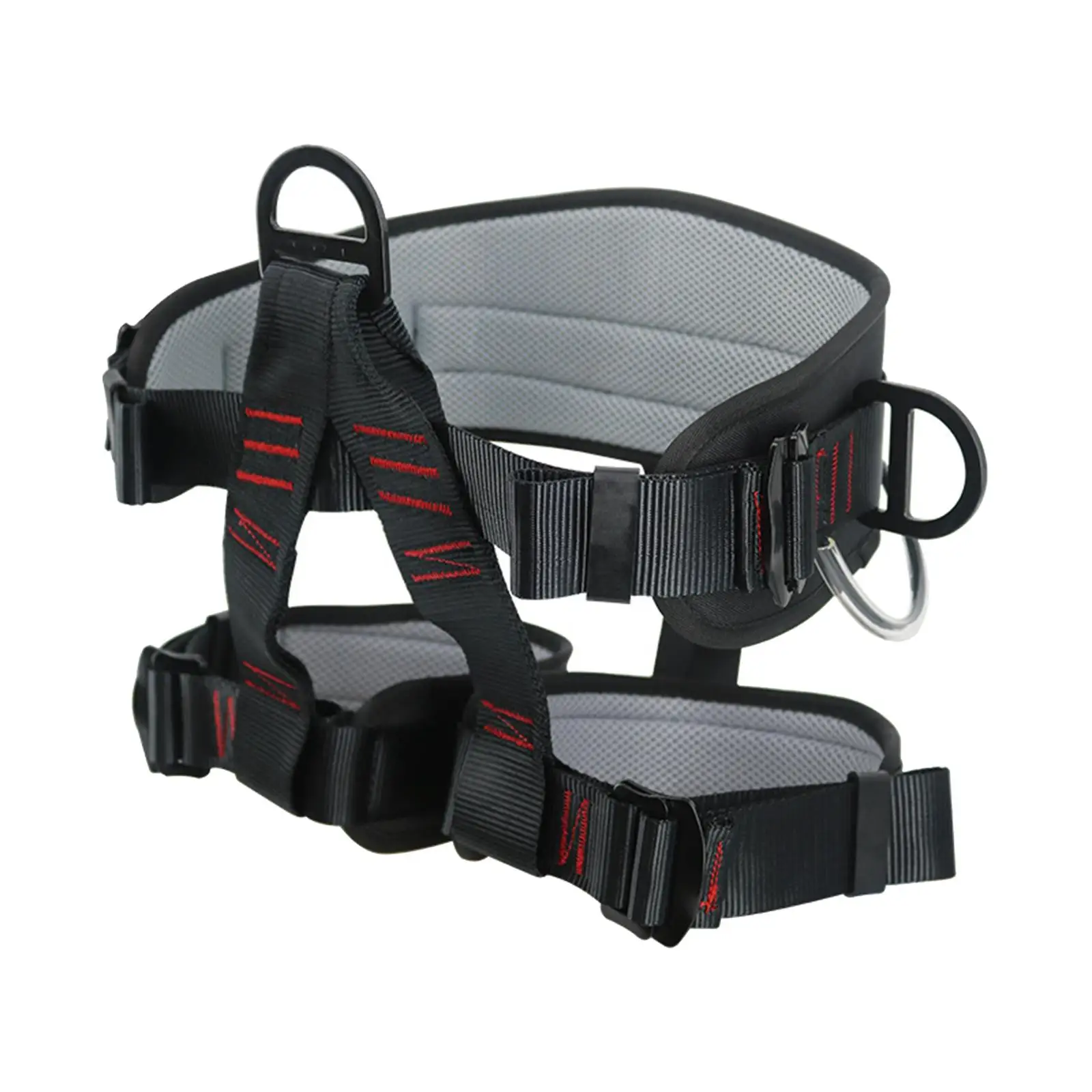
Outdoor Climbing Harness Bust Seat Belt Professional Rock Climbing Mountaineering Belt Safety Harness Rappelling Equipment
TBS-04532GENE-00094
£68.99
12 products available
Looking for commercial-grade climbing & mountaineering equipment for professional guiding, outdoor education, tactical operations, or industrial work-at-height applications? Compel supplies a complete range of high-strength climbing gear engineered to meet strict safety limits. Our inventory includes heavy-duty harnesses, high-strength slings, daisy chains, and mechanical ascenders designed for reliable performance in demanding vertical environments.
We source our rigging and safety equipment from trusted manufacturers, ensuring every component has certified minimum breaking strengths from 20kN to 25kN. Industrial buyers choose Compel for our technical specification compliance, transparent strength ratings, and bulk availability for outfitting entire crews or training facilities.
12 products in Climbing & Mountaineering
Climbing & Mountaineering
Climbing & Mountaineering
Climbing & Mountaineering
Climbing & Mountaineering
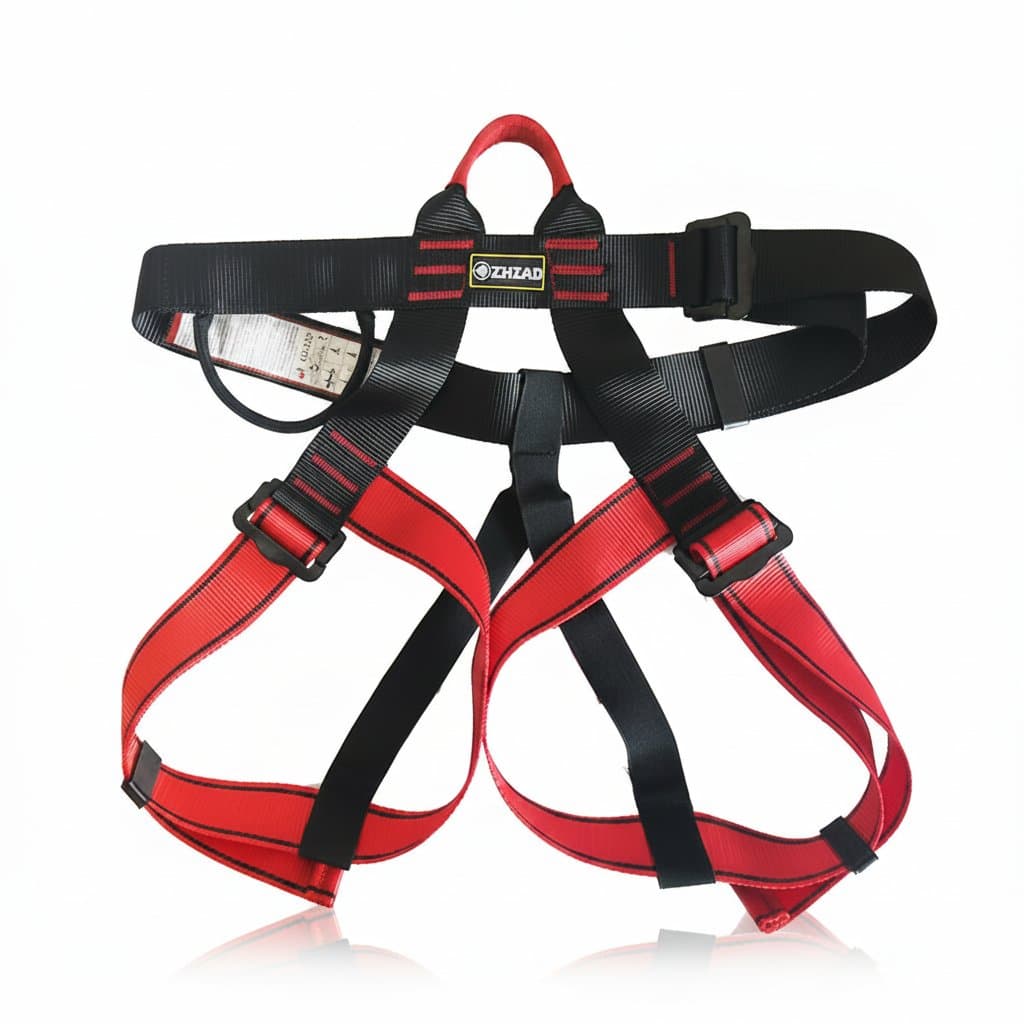
Climbing & Mountaineering
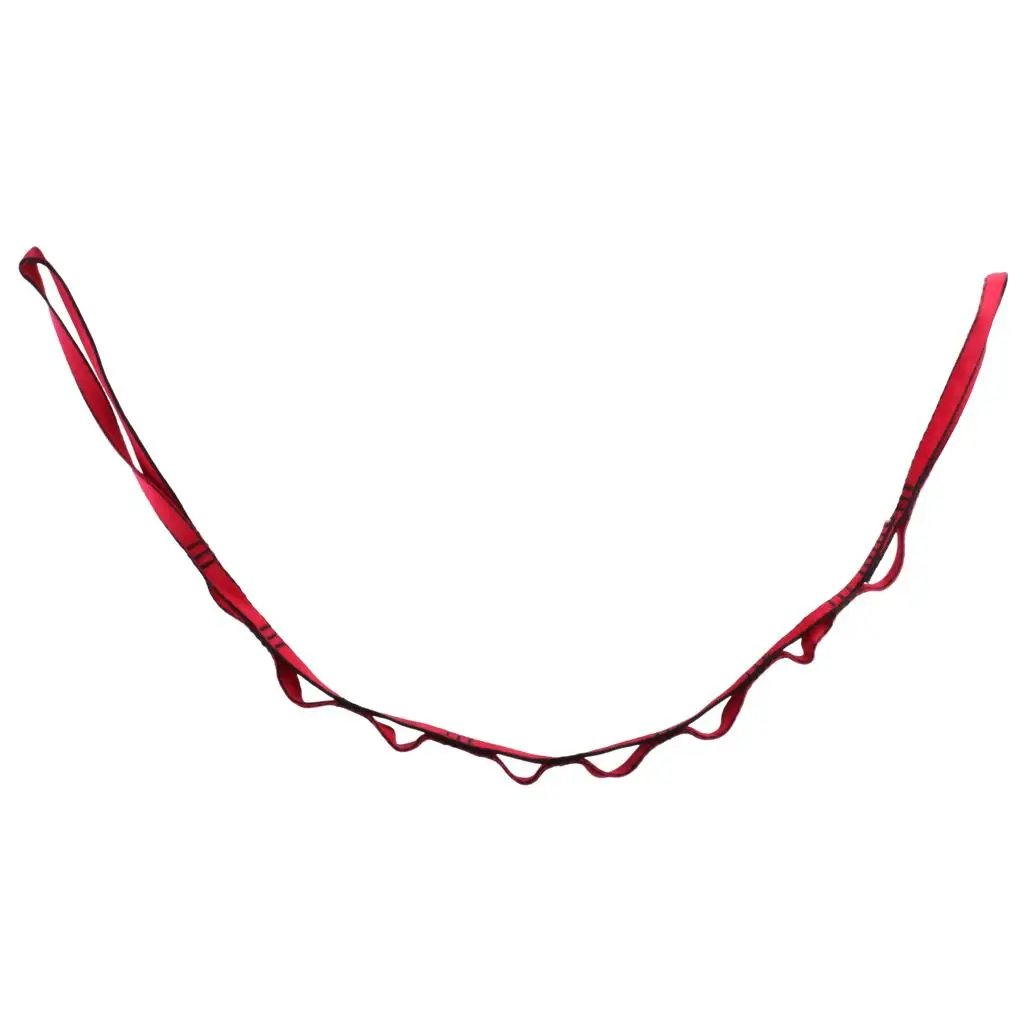
Climbing & Mountaineering
Climbing & Mountaineering
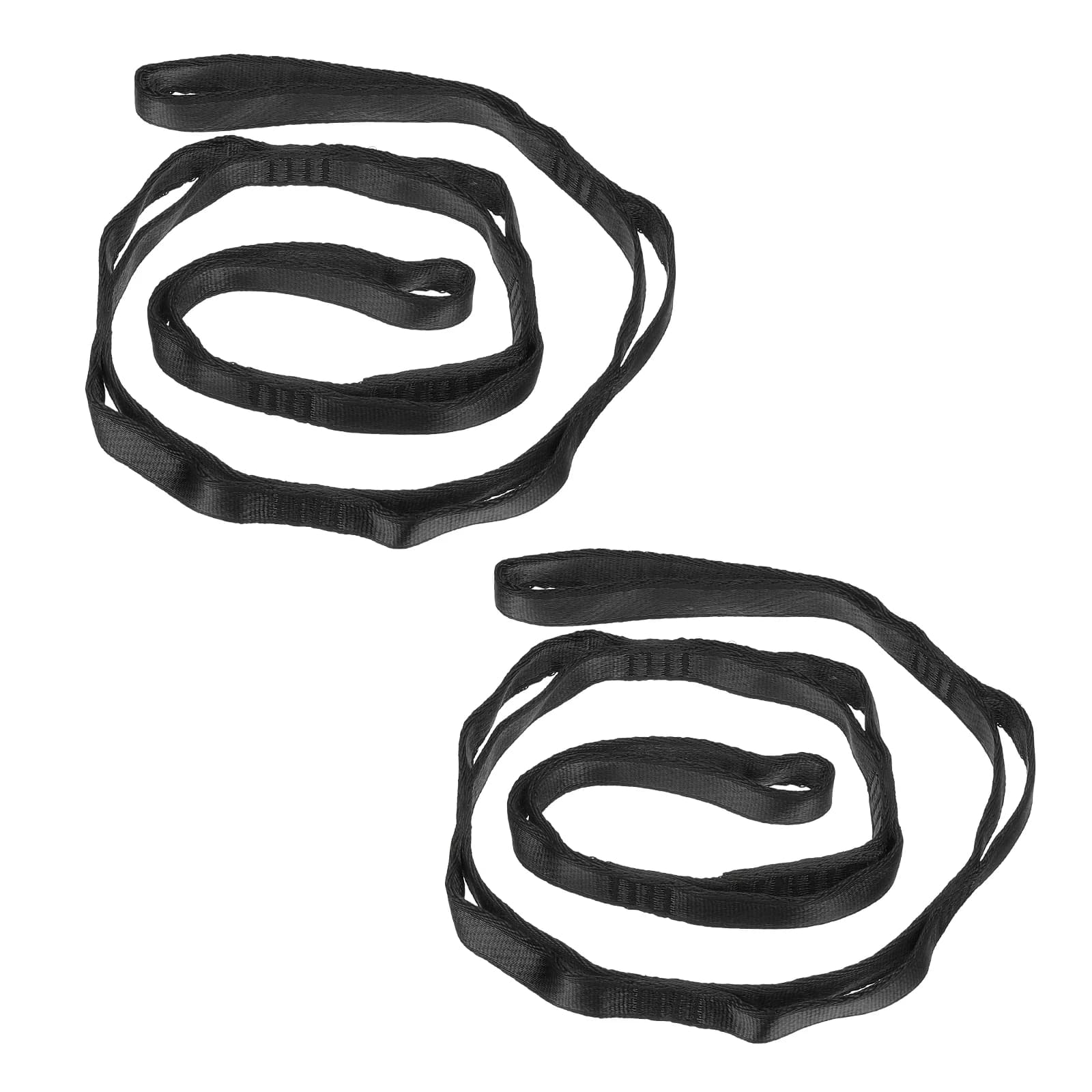
Climbing & Mountaineering
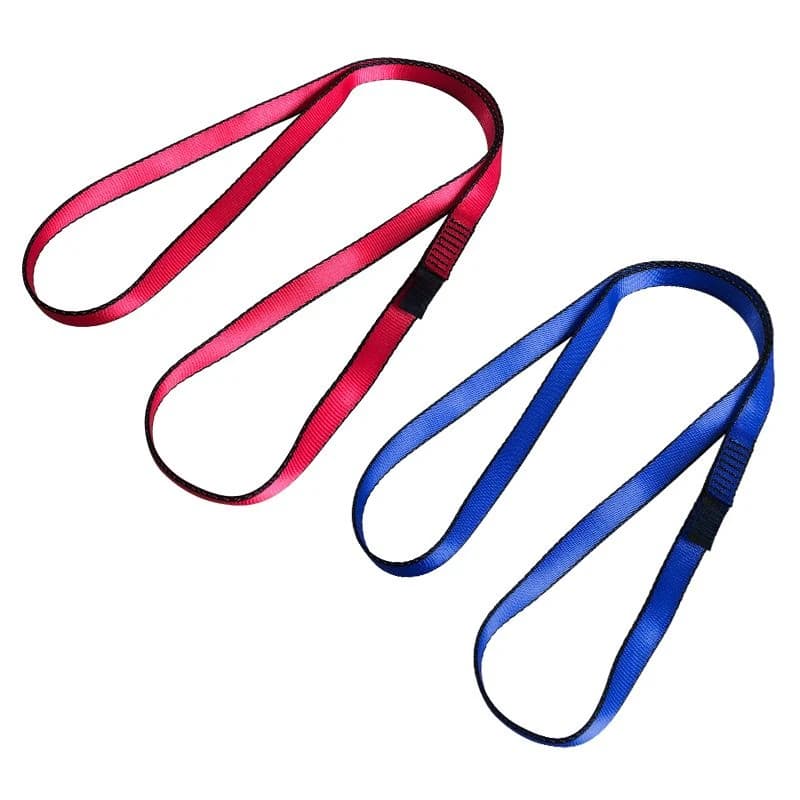
Climbing & Mountaineering
 Out of stock
Climbing & Mountaineering
 Out of stock
Climbing & Mountaineering
 Out of stock
Climbing & Mountaineering
Choosing the right textile construction determines the sling's friction resistance, static strength, and energy absorption. Nylon webbing offers excellent elasticity for dynamic loading, making it ideal for safety lanyards and multi-use climbing slings. Polyester webbing resists water absorption and UV degradation better, maintaining its rated strength in wet outdoor conditions.
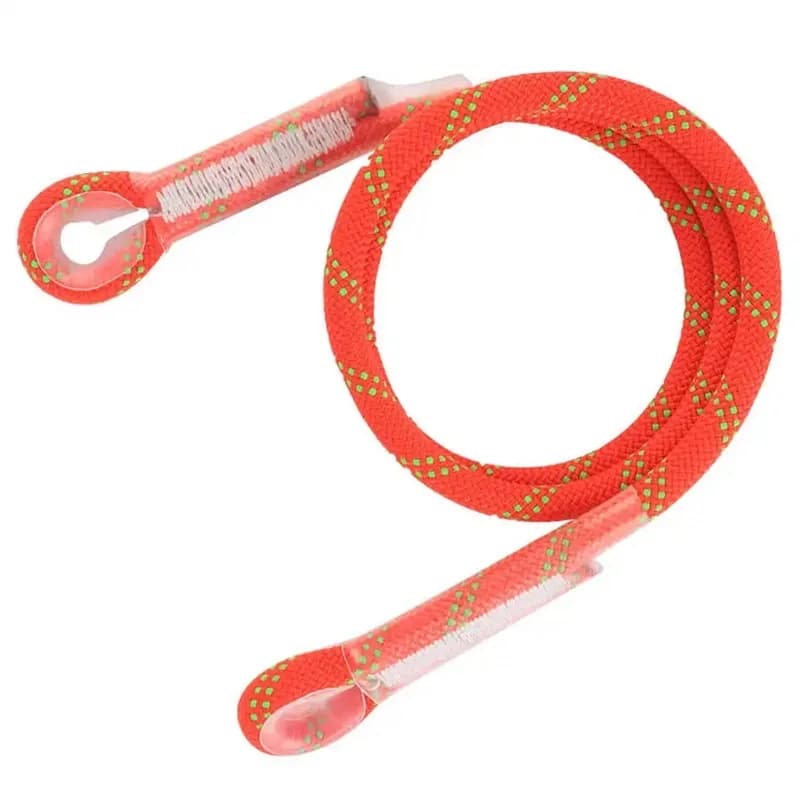
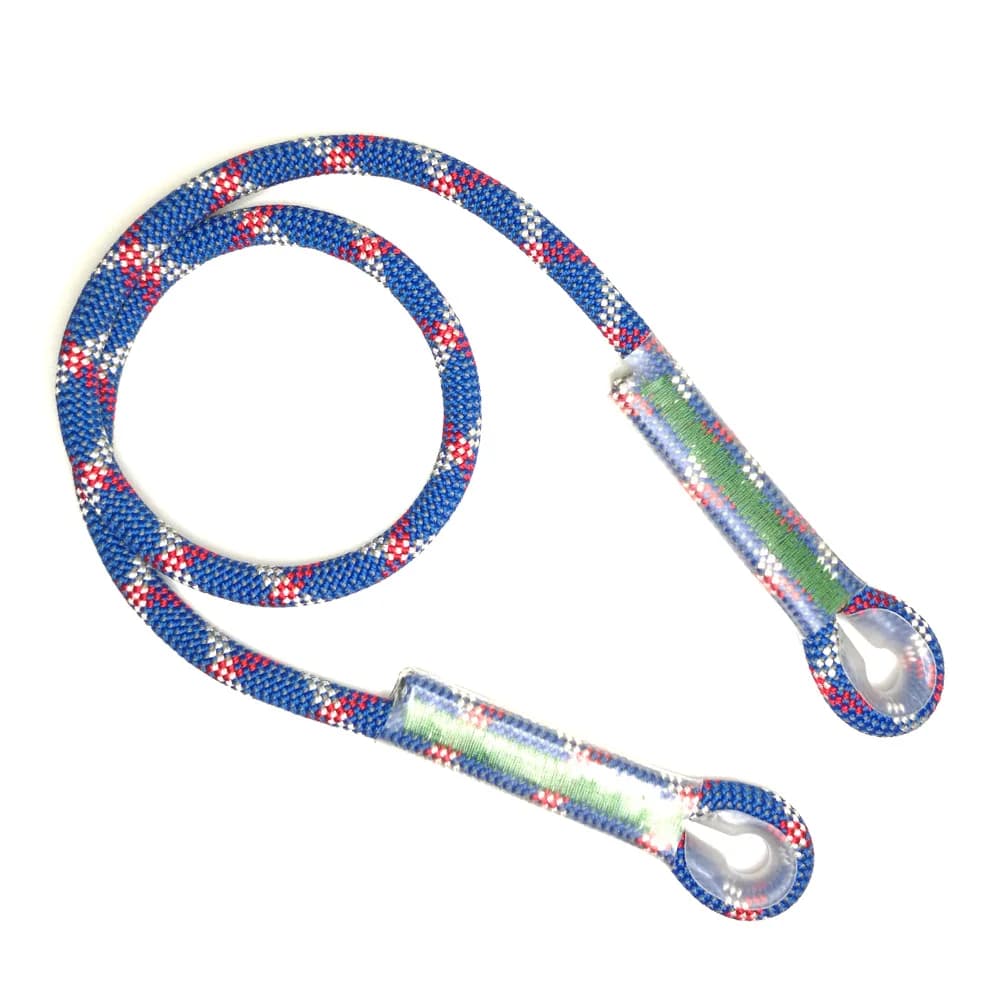
For high-friction rigging, eye-to-eye cords made from 10.5mm pre-sewn static rope provide superior abrasion resistance and minimal stretch under load. This construction is ideal for friction hitches and repetitive ascents where heat buildup is a factor.
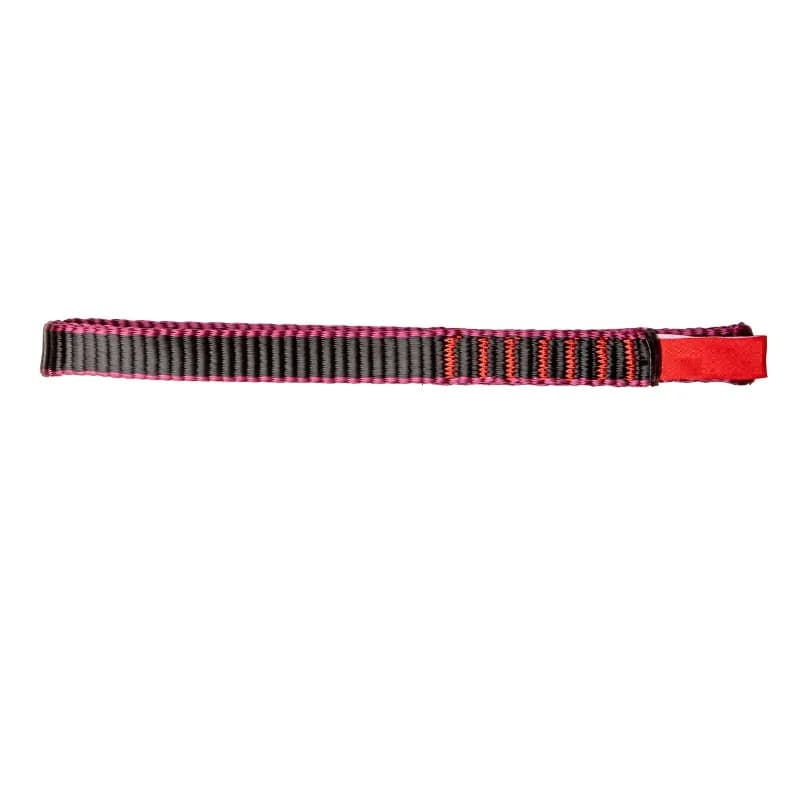
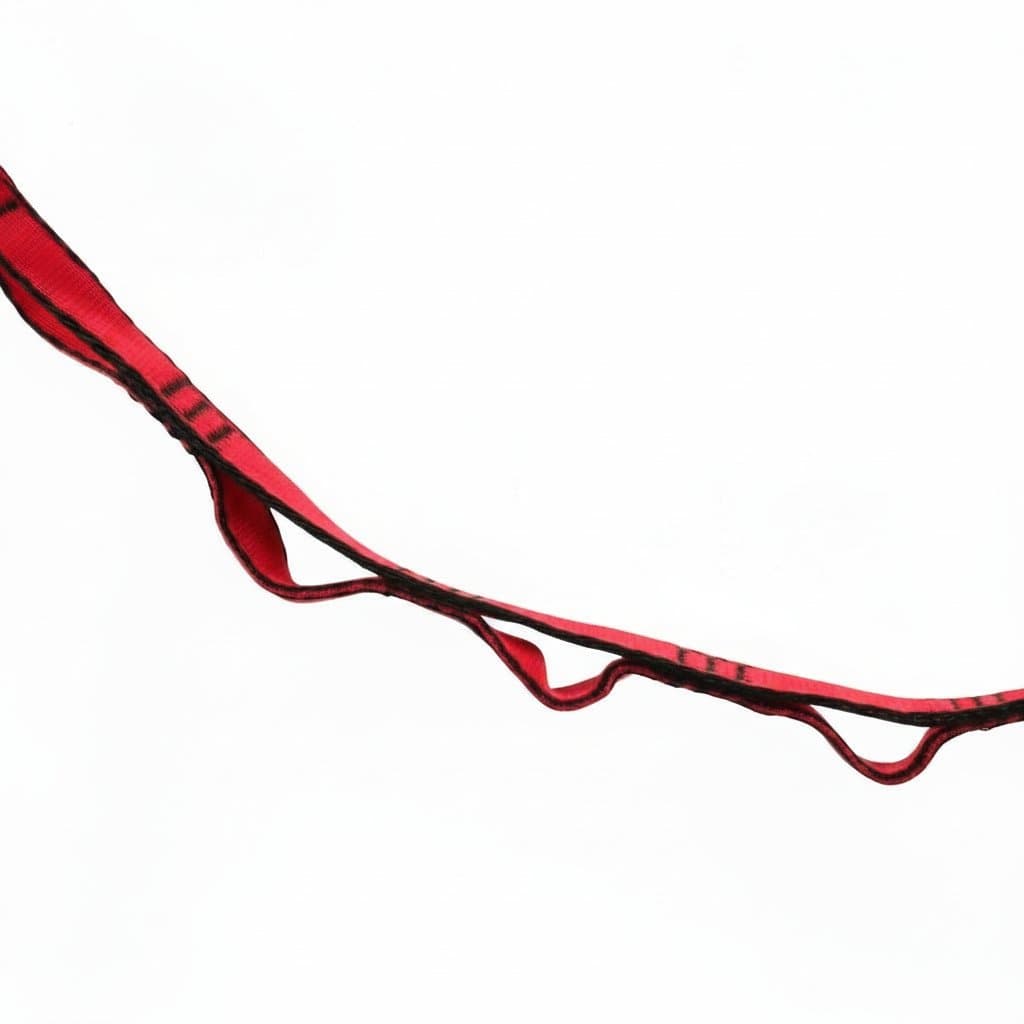
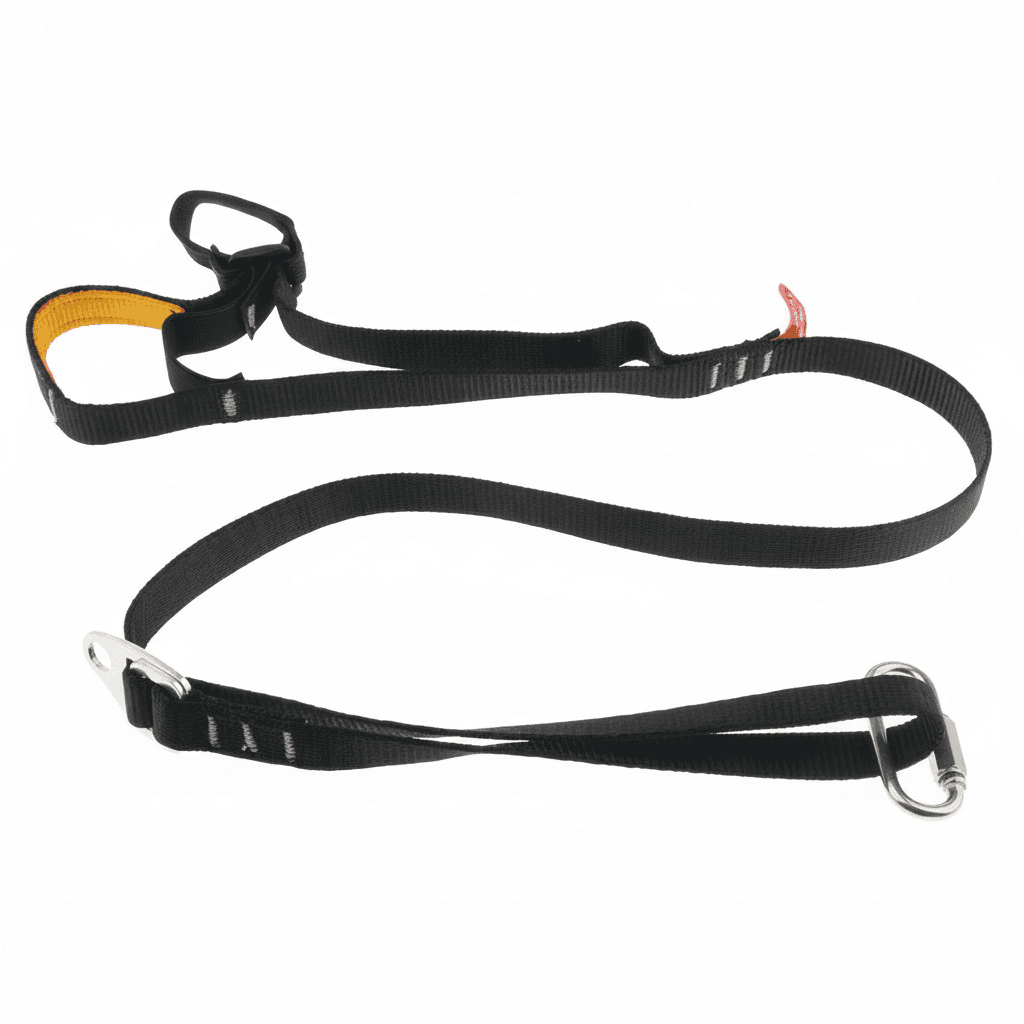
Industrial rigging and climbing applications require precise matching of minimum breaking strength to the task. Standard single-loop sewn slings typically provide a 22kN minimum breaking strength, which is suitable for anchors and rigging. For adjustable anchoring and gear organization, daisy chains utilize multiple bar-tacked loops.
Note that while a daisy chain may have an overall minimum breaking strength of 23kN, the individual pocket loops have lower strength ratings. These pocket loops are designed for static positioning and gear organization, not dynamic fall arrests.
Professional harnesses must balance mobility with fall protection. For simple vertical movement and tree climbing, lightweight models with a single waist D-ring and adjustable leg loops provide sufficient support up to 25kN. Full-body or certified rappelling harnesses with rigid polymer gear loops and integrated padding are necessary for extended suspension work.
Buying guide
We use cookies. Some keep the store working, others show us what to fix. No third-party trackers, and we never sell your data. Learn more about cookies and your privacy