
 -48%
-48%Shoes & Footwear
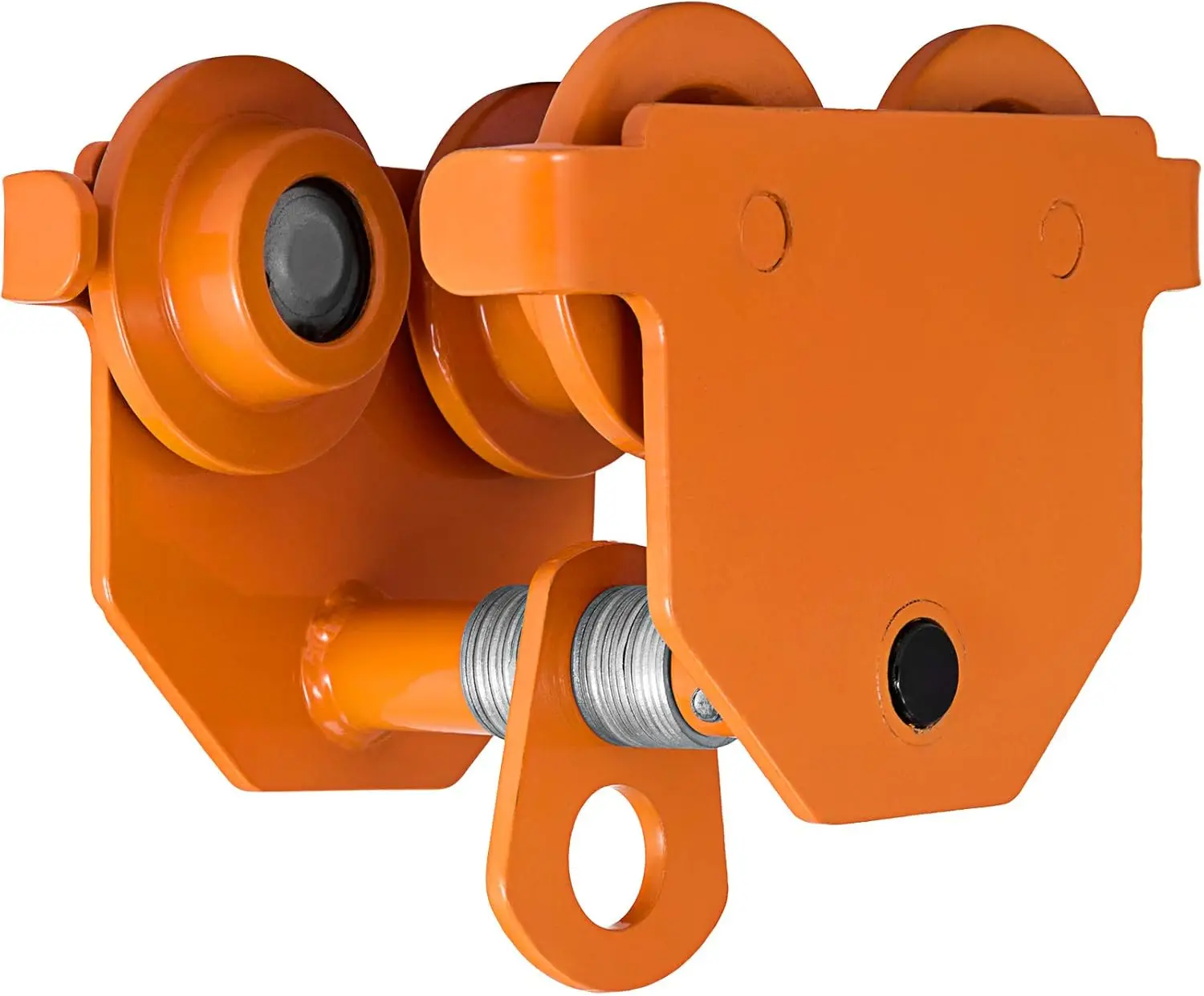
Heavy-Duty 2-Ton Manual Trolley Hoist | 4000 lb Capacity | Dual-Wheel Garage Crane Lift
TBS-04618SHOE-00006
$120.99$230.95
6 products available
Looking for industrial shoes and footwear that meet strict workplace safety standards? Compel supplies a comprehensive range of professional protective footwear, safety boots, and specialized work shoes designed for manufacturing plants, construction sites, and logistics operations. Our inventory covers everything from steel-toe safety boots to electrostatic-dissipative (ESD) shoes, ensuring your crew stays protected against impact, punctures, slips, and electrical hazards.
We stock footwear built for demanding trade environments, sourcing only from trusted manufacturers who verify their products against international safety ratings. When you procure your fleet's footwear from Compel, you secure reliable protection, simplified bulk ordering, and compliance with local occupational health and safety regulations.
6 products in Shoes & Footwear
-48%Shoes & Footwear
Shoes & Footwear
Shoes & Footwear
 -9%
-9%Shoes & Footwear
 -6%
-6%Shoes & Footwear
 -12%
-12%Shoes & Footwear
The primary decision when buying safety shoes is the type of protective toe cap. Steel toe caps offer the highest level of impact resistance in compact profiles but add weight and conduct cold and electricity.
Alloy toe caps provide similar strength to steel at a lower weight, though they still conduct electricity. Composite toe caps, made from carbon fiber, fiberglass, or plastic, are completely metal-free. They do not conduct heat or electricity and will not trigger metal detectors, making them ideal for security-screened facilities or electrical work.
Selecting the correct electrical property is critical to prevent workplace accidents. Electrical Hazard (EH) boots are designed to act as secondary protection against electrical shocks, insulating the wearer from ground circuits. They are essential for electricians and high-voltage environments.
In contrast, Electrostatic Dissipative (ESD) footwear prevents the buildup of static electricity on the human body. These shoes bleed static charge into the floor to protect sensitive electronic components from damage during assembly. Never substitute EH boots for ESD shoes, as they serve opposite safety functions.
The outsole material determines the shoe's grip, durability, and resistance to chemicals or heat. Polyurethane (PU) soles are lightweight and flexible, offering excellent shock absorption for indoor warehousing. For heavy industrial use, rubber outsoles provide superior heat resistance, slip resistance on oily surfaces, and resistance to punctures.
Always check the slip resistance rating. Look for EN ISO 20345 classifications such as SRA (tested on ceramic tile with sodium lauryl sulfate), SRB (tested on steel with glycerol), or SRC (passing both tests) to match the specific fluids present in your facility.
Buying guide