
Men's Clothing
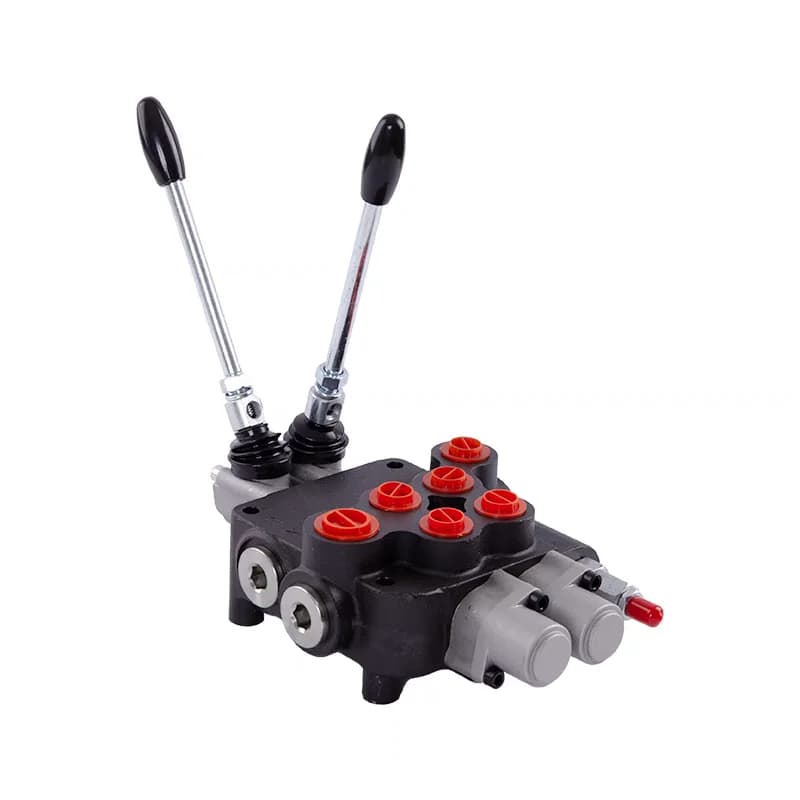
Hydraulic Directional Control Valve | 2/3 Spool | Double-Acting for Pumps & Cylinders
TBS-04004CLTH-00004
$128.99
5 products available
Looking for professional men's clothing engineered for demanding trade and industrial environments? Compel supplies high-performance workwear designed for technicians, engineers, and site operators who require durability and utility on the job. Our range covers essential work shirts, reinforced trousers, high-visibility protective wear, and weather-resistant outerwear. These garments withstand daily wear in harsh workshops, plants, and construction sites.
We source apparel that meets rigorous industrial standards for safety, mobility, and longevity. By choosing Compel for your team's apparel needs, you get reliable garments that ensure compliance, comfort, and protection. Our streamlined procurement process helps trade professionals secure tough workwear alongside their regular MRO and tool shipments.
5 products in Men's Clothing
Men's Clothing
Men's Clothing
Men's Clothing
Men's Clothing
 -22%
-22%Men's Clothing
Choosing the right fabric determines both garment lifespan and worker safety. For high-heat environments or spark-heavy trades like welding, 100% heavyweight cotton or treated flame-resistant fabrics are necessary to prevent melting. For general maintenance and mechanical work, poly-cotton blends offer a balance of breathability, colorfastness, and resistance to abrasion.
Synthetic additions like polyester increase the tensile strength of the garment. This prevents tearing when working near sharp machinery or rough materials.
Industrial clothing must facilitate movement while providing practical storage for tools and components. Look for trousers with reinforced knee pad pockets to protect joints during prolonged kneeling. Multi-pocket designs, including dedicated utility loops and secure zip pockets, keep essential hardware close at hand without compromising safety.
Pay close attention to construction details. Triple-stitched seams and bar-tack reinforcements at stress points prevent seam failure during heavy physical exertion.
For low-light environments, roadside work, or busy warehouses, high-visibility clothing is a legal and safety requirement. Select garments classified under international standards like EN ISO 20471 or ANSI/ISEA 107.
Ensure the retroreflective tape configuration matches your specific site risk level. Reflective bands must remain highly visible even after multiple industrial wash cycles.
Buying guide