Compel Groupgroup

Cameras & Photography

2 products available

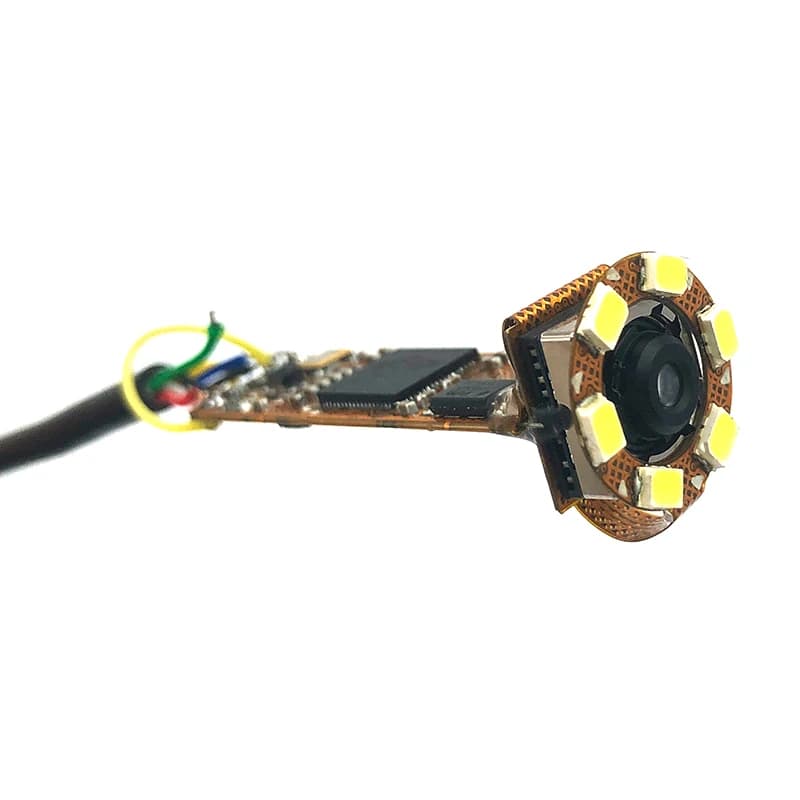
Looking for professional-grade cameras & photography equipment designed for industrial applications and demanding field environments? Compel supplies high-resolution USB camera modules, inspection optics, and heavy-duty protective cases for engineering, manufacturing, and technical teams. Our inventory covers both integrated imaging components for automated assembly lines and field-ready gear protection for technical photography.

We source high-specification hardware that integrates directly into your existing production lines, medical devices, or field operations. Procuring your imaging hardware from Compel ensures access to verified technical specifications, reliable component lifecycles, and fast international shipping. Whether you need to integrate a high-resolution autofocus module into an inspection rig or secure sensitive optical equipment for transit, we provide the industrial-grade solutions your operations demand.

Selecting Camera Modules for Industrial and Medical Inspection

Integrating an imaging component into a machine vision system or medical device requires matching the sensor resolution and field of view to your inspection area. For high-precision tasks like PCB inspection or automated quality control, look for high-resolution sensors to capture minute surface defects.

Consider the physical integration constraints of your equipment housing. USB modules with flexible soft-wire cabling simplify installation in tight mechanical enclosures where space is limited.

  • Resolution thresholds: Sensors with a 16-megapixel resolution (up to 4624 x 3468 pixels) allow detailed digital zoom during post-capture analysis.
  • Field of view (FOV): A standard 78-degree field of view balances close-range detail with sufficient coverage, ideal for automated scanning.
  • Video capability: Ensure the module supports standard HD resolution (1280 x 720 pixels) if real-time video monitoring is required alongside static capture.

Protecting Optical Instruments and Photography Gear in the Field

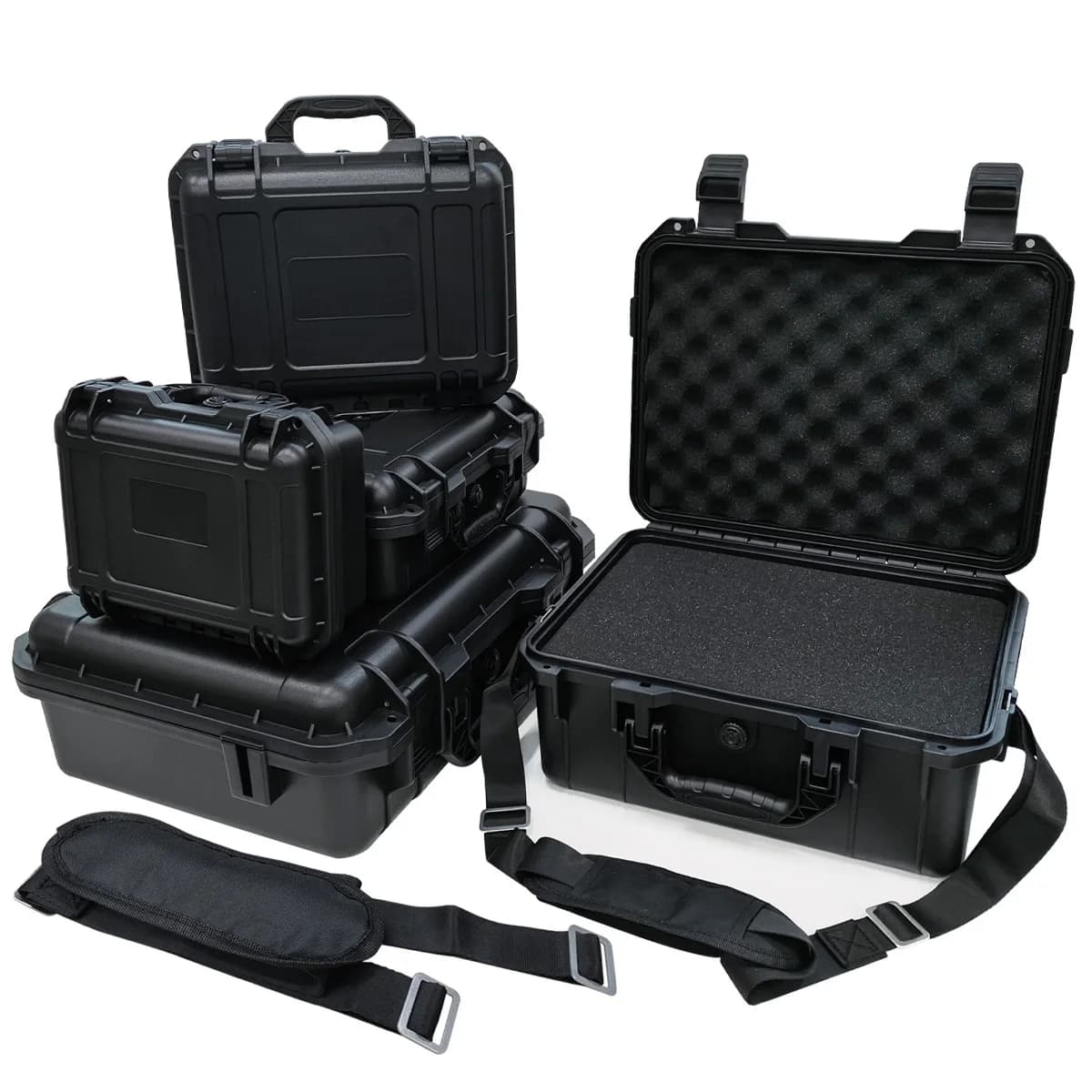
Delicate optical instruments require physical protection against impact, dust, and moisture during transport to site. Industrial-grade hard cases protect sensitive calibration tools, lenses, and camera bodies from harsh environmental conditions.

The interior configuration is just as critical as the outer shell. Pre-cut foam inserts allow technicians to customize the cavity to fit specific tools tightly, preventing movement during transit.

  • Material choice: Polypropylene shells provide high impact resistance and chemical tolerance without adding excessive weight to field kits.
  • Sizing and capacity: A 24-liter case with external dimensions of 40 x 30 x 20 cm provides ample space for a standard camera body and multiple lenses.
  • Portability: Look for cases weighing under 2.5 kg empty that feature integrated crossbody straps to keep hands free on active work sites.

Buying guide

Choosing Cameras & Photography

When should I choose a USB camera module over a standard industrial GigE camera?
USB camera modules are ideal for close-range, self-contained systems like medical inspection equipment or compact kiosks where cable runs are short. They offer simple plug-and-play integration with standard computer hardware without needing dedicated frame grabbers or complex network configurations.
What material provides the best protection for transporting sensitive optical equipment?
Polypropylene is the preferred material for industrial hard cases due to its high impact resistance and chemical tolerance. It protects delicate lenses and sensors from physical shock while keeping the overall carrying weight manageable for field technicians.
How do I calculate the correct case capacity for my field photography gear?
Measure the exterior dimensions of your largest components, adding at least two centimeters of clearance on all sides for foam cushioning. A 24-liter case with dimensions of 40 by 30 by 20 centimeters easily accommodates a standard camera body, two lenses, and basic calibration tools.
What sensor resolution is required for automated inspection systems?
Automated inspection systems typically require a minimum sensor resolution of 16 megapixels (4624 x 3468 pixels) to identify micro-cracks or solder defects. This resolution ensures that fine details remain sharp even when cropping into specific areas of the image.
Can I use a soft-wire USB camera module in continuous-motion robotic arms?
Soft-wire cabling is designed for stationary installations or limited flex applications within medical and industrial housings. For high-cycle robotic arms, you must install strain-relief boots or route the cable through protective energy chains to prevent premature wire fatigue.