Compel Groupgroup

Audio & Headphones

2 products available

Looking for professional audio & headphones for industrial monitoring, communications, and control room integration? Compel supplies commercial-grade audio equipment, RF receivers, and headphones built for demanding environments. Our range serves telecom engineers and broadcast technicians. We support facility managers who require dependable audio monitoring, signal reception, and equipment housing.

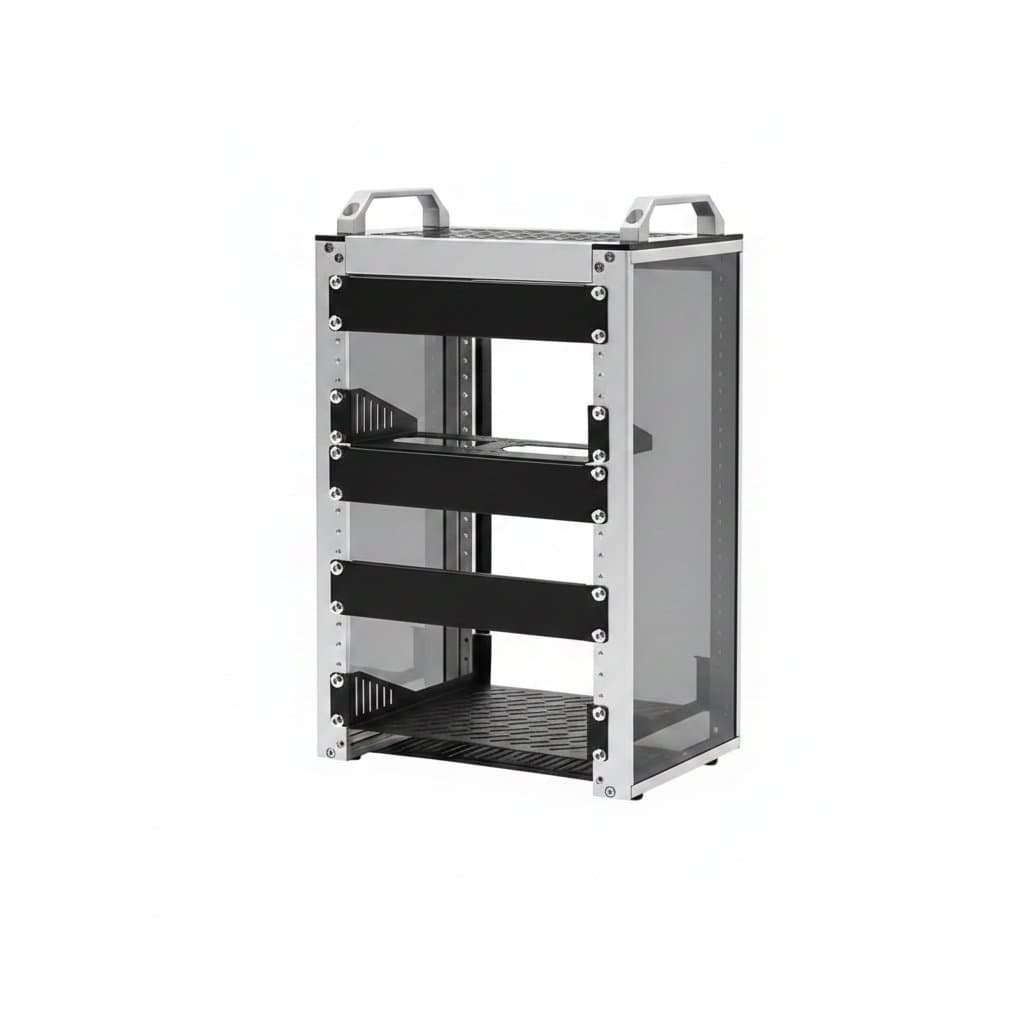
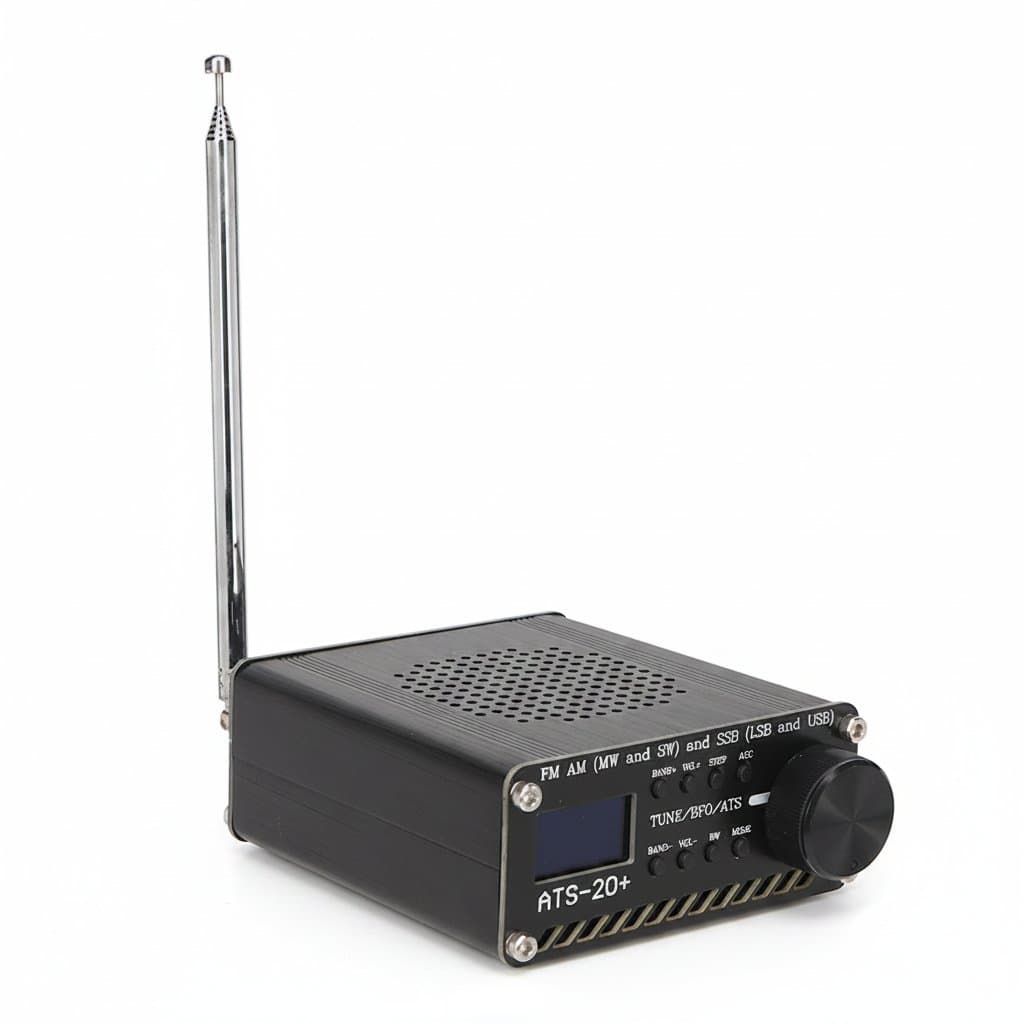
We stock multi-band receiver units for monitoring remote transmissions. We also carry heavy-duty steel rack enclosures to secure your audio-video hardware. We source directly from trusted manufacturers to ensure compliance with strict signal and structural standards. Buy your commercial audio hardware from Compel to access trade-only pricing, consistent bulk availability, and technical support.

2 products in Audio & Headphones

Choosing Between Portable RF Monitoring and Stationary Audio Systems

When selecting radio receivers for signal testing or backup communications, evaluate the required frequency bands and power stability. Industrial monitoring often demands multi-band coverage including FM, medium wave (MW), and shortwave (SW) to capture long-range transmissions.

If your teams work in field environments, prioritize telescopic antennas for weak-signal areas. Choose models with dual power options like integrated batteries and AC adapters to ensure continuous operation.

  • Frequency Range: Ensure the unit covers FM, MW, and SW for global signal access.
  • Power Versatility: Select models with both AC adapters and battery power for uninterrupted field operation.
  • Audio Output: Look for built-in speakers for group monitoring and 3.5mm jacks for private headphone testing.

Sizing and Load Capacity for Audio and Video Equipment Racks

Integrating audio components, mixers, and network hardware requires secure, standardized housing. Calculate your spatial requirements using both external and internal dimensions.

For heavy-duty deployments, steel enclosures with load capacities up to 150 kg prevent structural sag. These units hold heavy amplifiers and power supplies without warping.

  • Dimensional Matching: Verify internal clearances, such as 483 mm widths, match your rack-mount audio gear.
  • Cable Management: Choose enclosures with rear vertical cable channels to prevent signal interference.
  • Power Distribution: Confirm compatibility with optional Power Distribution Unit (PDU) mounting to streamline rack wiring.

Selecting Headphones and Headsets for Industrial Environments

Industrial headphones must deliver clear audio reproduction while protecting the user from ambient noise.

For high-noise factory floors or server rooms, select closed-back headphones with high passive noise attenuation. For testing and diagnostic work, focus on driver impedance and connector durability.

  • Connector Standardization: Standard 3.5mm jacks provide universal compatibility with field receivers and test equipment.
  • Acoustic Design: Closed-back designs block external noise in loud server environments.

Buying guide

Choosing Audio & Headphones

How do I calculate the correct rack size for my audio and video equipment?
Measure the total height of your stacked equipment in standard rack units (U) and check the internal width. For example, a rack with internal dimensions of 483 mm width and 535 mm height accommodates standard rack-mount receivers and amplifiers. Always allow at least 100 mm of depth clearance behind the units for cabling and ventilation.
Which radio receiver features are critical for remote field monitoring?
Look for a receiver with multi-band coverage including FM, MW, and SW, such as the ATS 20+ model. A digital display allows precise frequency tuning, while a telescopic antenna ensures optimal signal acquisition in remote areas. Dual power sources (battery and AC) are essential to maintain operation during power outages.
What load capacity is required for a commercial audio equipment rack?
Heavy-duty audio setups containing multiple power amplifiers and power conditioners require a steel rack with a high load capacity. A rack rated for 150 kg provides a safe margin of support for dense hardware configurations. Exceeding these limits can warp the steel frame and damage your equipment.
How do I connect standard headphones to industrial radio receivers?
Most commercial receivers, including the ATS 20+, feature a standard 3.5mm headphone jack. This output is compatible with low-impedance monitoring headphones and communication headsets. If your headphones use a 6.35mm plug, you will need a step-down adapter to fit the 3.5mm port.
Why is steel preferred over other materials for audio and network racks?
Steel provides the structural rigidity needed to hold heavy, vibrating audio equipment without flexing. It also offers better durability in busy industrial or IT environments compared to aluminum or plastic alternatives. Additionally, steel enclosures help shield sensitive audio equipment from electromagnetic interference.