
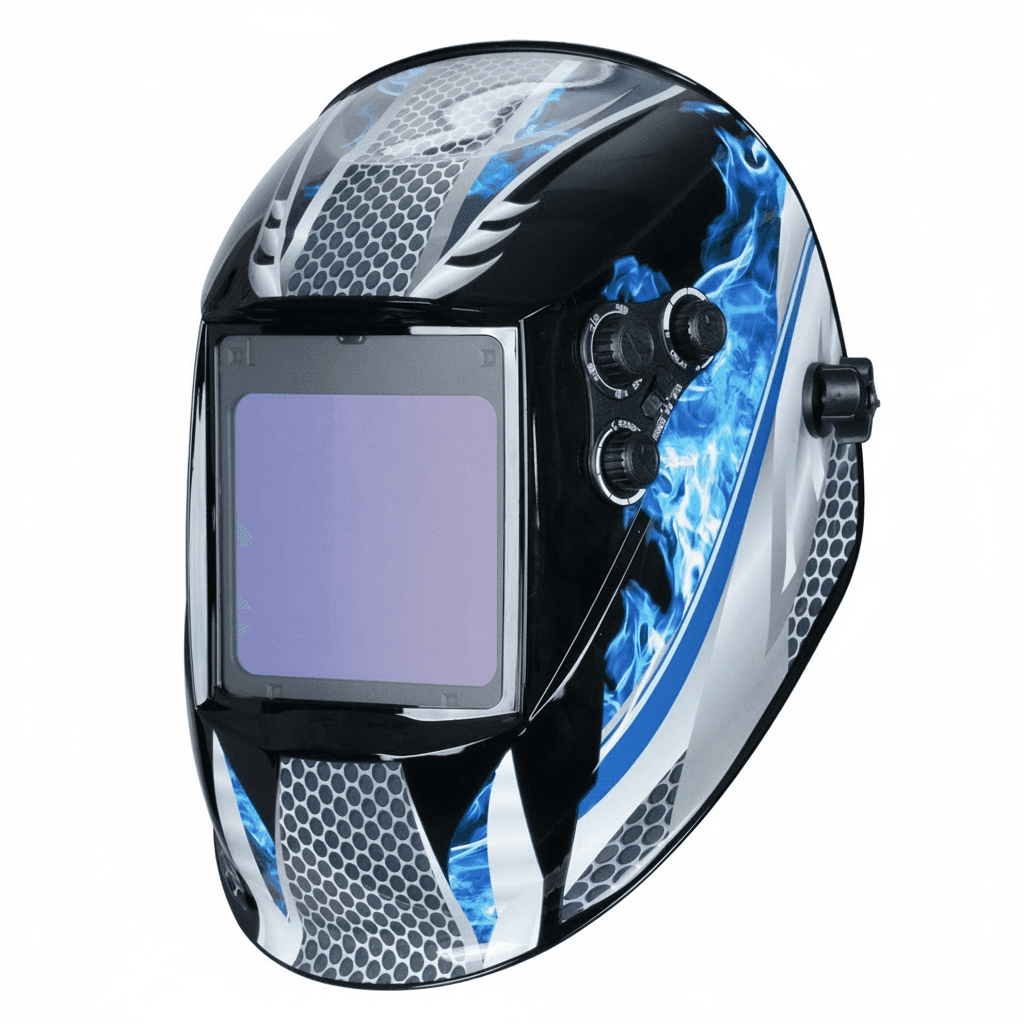
Welding PPE
Auto Darkening Welding Helmet | 100x97mm True Colour View | 4 Sensors for MIG/MAG/MMA
CMP-04480WELD-00562
£177.99
3 products available
Welding PPE is the personal protective equipment required for safe welding operations in professional environments. This category includes welding safety equipment designed to protect operators from intense light, heat, sparks, and harmful fumes. Our range is for trade and industrial use, with a focus on core equipment for welders in construction and building.
Compel supplies a focused selection of high-performance welding PPE. We offer auto-darkening welding helmets featuring true color lens technology for improved visibility and precision. These helmets are built from temperature-resistant materials suitable for demanding site conditions. Choose Compel for reliable welding safety equipment that meets the functional needs of professional welders.
3 products in Welding PPE
Welding PPE
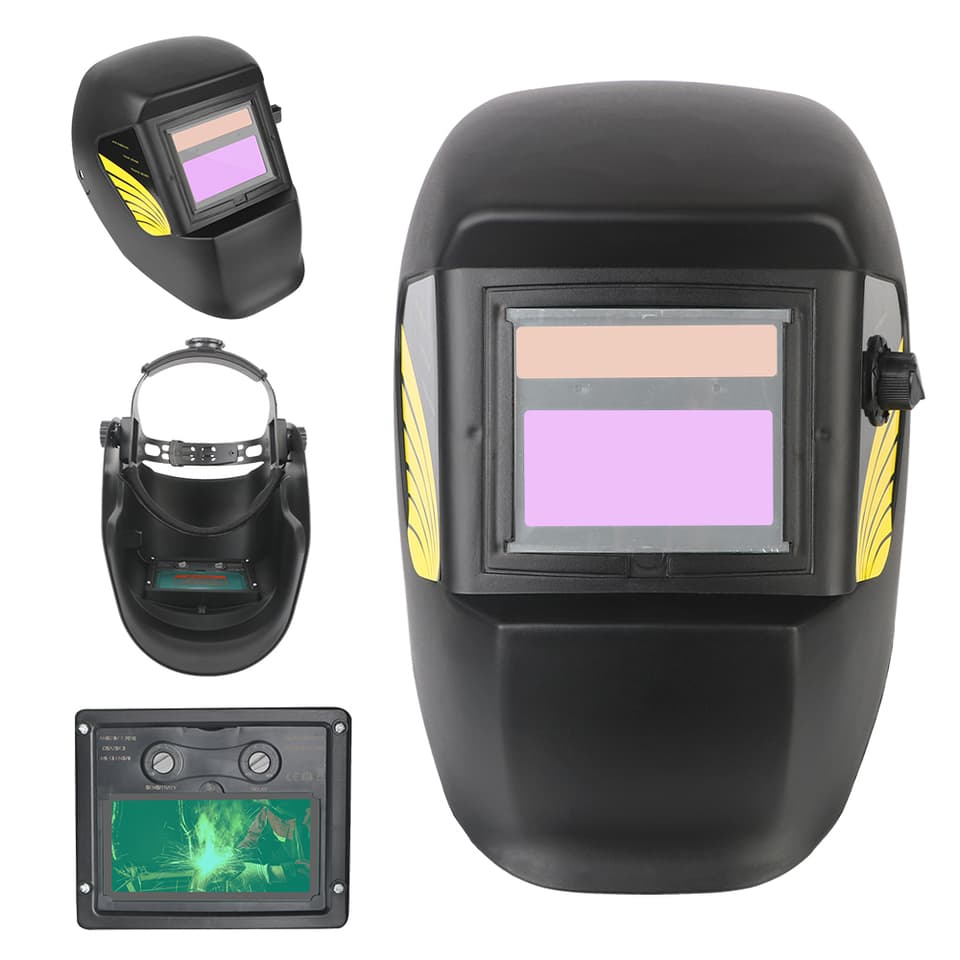
Welding PPE
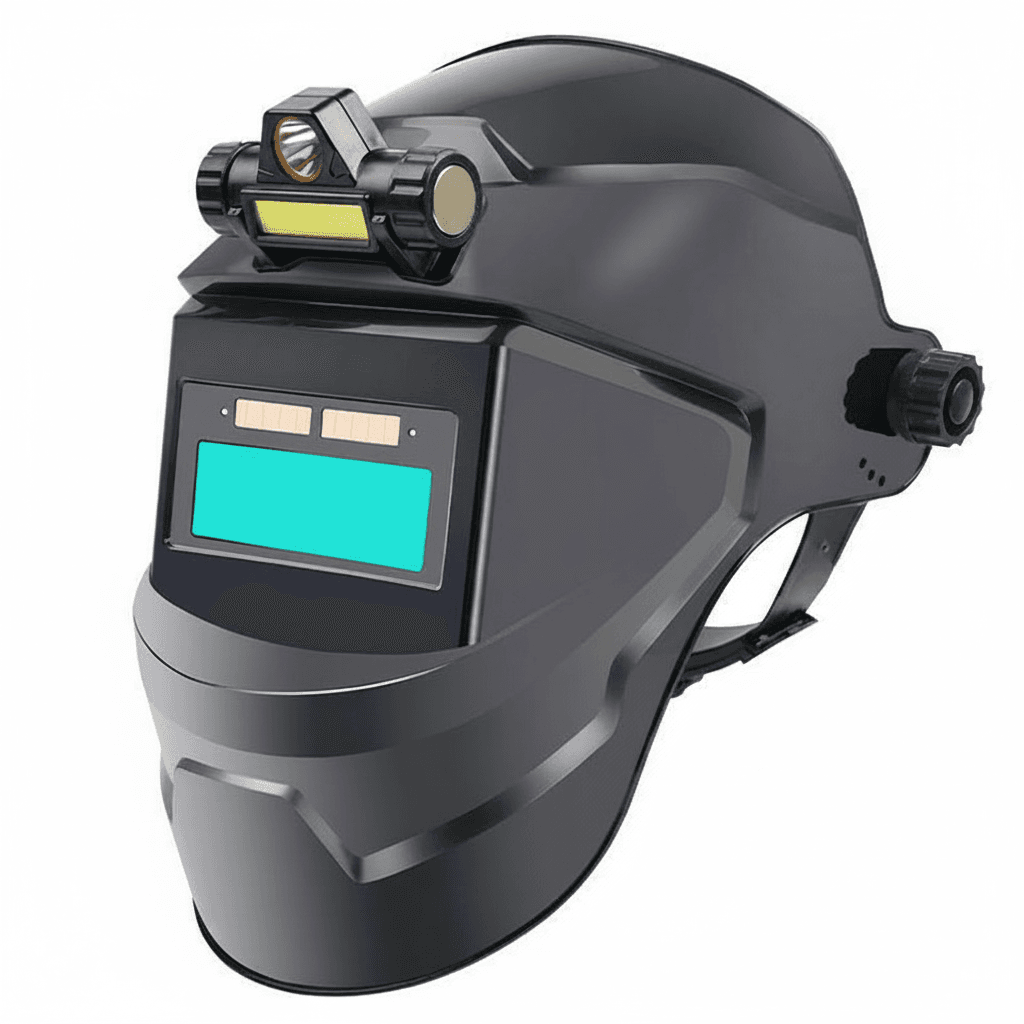
Welding PPE
The primary piece of welding PPE is the helmet, which protects the eyes and face. Our selection focuses on auto-darkening models, which automatically switch from a light to a dark state when an arc is struck. This allows you to keep the helmet down, improving efficiency and safety.
Consider the lens technology. A true color lens provides a clearer view of the weld pool with more natural color perception, reducing eye strain compared to traditional green-tinted lenses. Also, check the viewing size. A larger area, such as 100x97mm, offers a wider field of vision, which is beneficial for complex or out-of-position welds.
Helmet materials affect durability and heat resistance. Polypropylene (PP) is a common choice, offering resistance to high temperatures, with some models rated up to 130℃. Power supply is another key factor. Many modern helmets are solar-powered, using a solar cell to charge an internal lithium battery. Features like a low battery alert ensure the helmet is always ready for use.
The number of arc sensors determines the helmet's responsiveness, especially for obstructed or low-amperage TIG welding. Models with four sensors offer more reliable switching than those with two. For versatility, look for helmets with modes for grinding and cutting, which disable the auto-darkening feature when needed.
Beyond helmets, a complete welding PPE setup includes other protective gear. Welding gloves are selected based on the welding process. Thicker, heavily insulated gloves are for MIG and stick welding, while thinner, more flexible gloves offer the dexterity needed for TIG welding. Check product specifications for material and heat rating.
Welding jackets must be made from flame-retardant materials like treated cotton or leather to protect against sparks and spatter. Ensure a proper fit that allows movement without being loose. For protecting the wider work area and personnel, welding screens create a physical barrier. Look for screens with stable frames and flame-retardant curtain material. Always verify the specific protective ratings on the product datasheet.
Buying guide
We use cookies. Some keep the store working, others show us what to fix. No third-party trackers, and we never sell your data. Learn more about cookies and your privacy