
Site Consumables
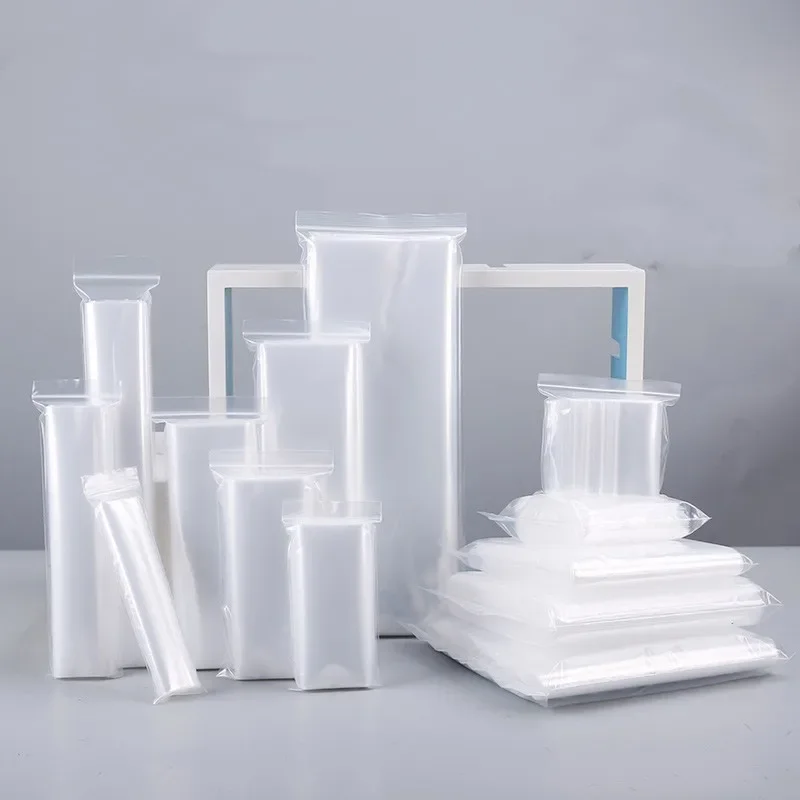
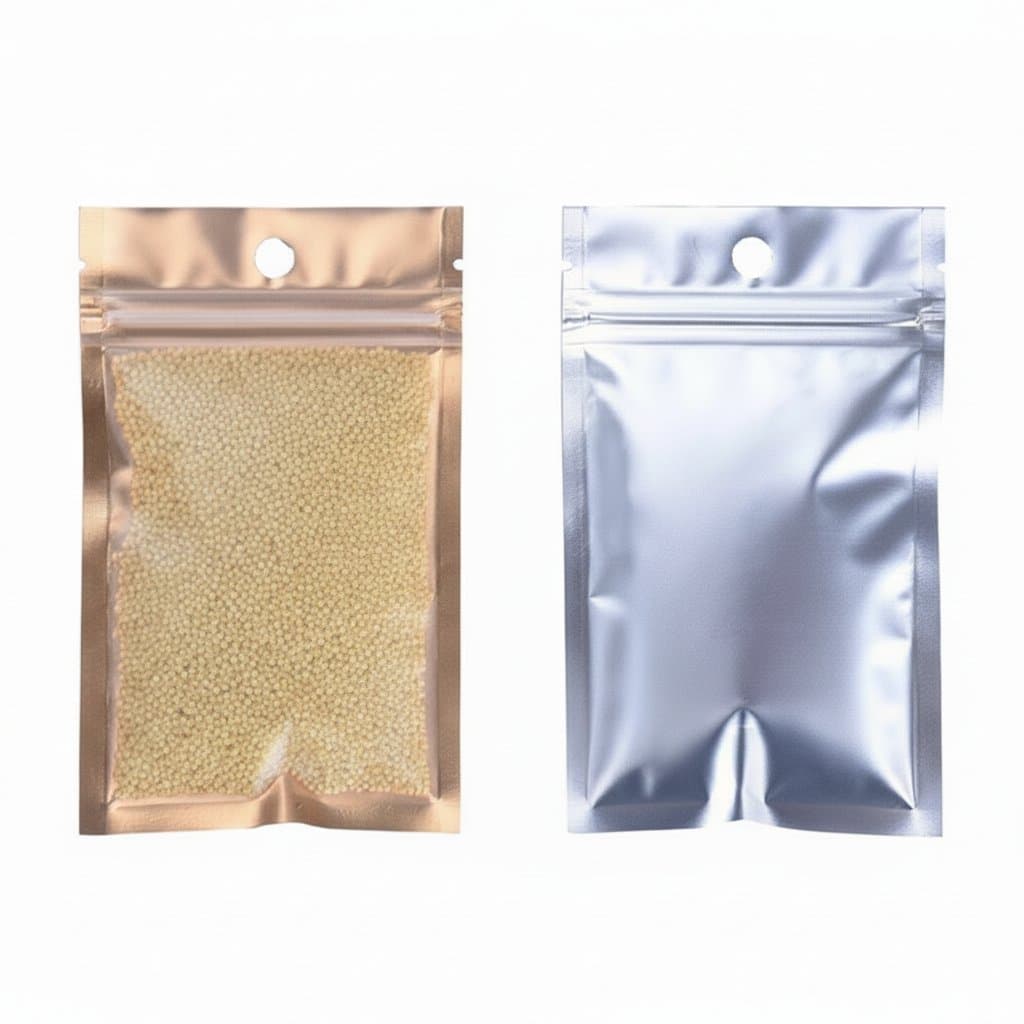
Self-Sealing Bags | 100pc Clear Self-Sealing PE Bags | Moisture-Proof Pouch
CMP-04185SITE-00066
£42.99
12 products available
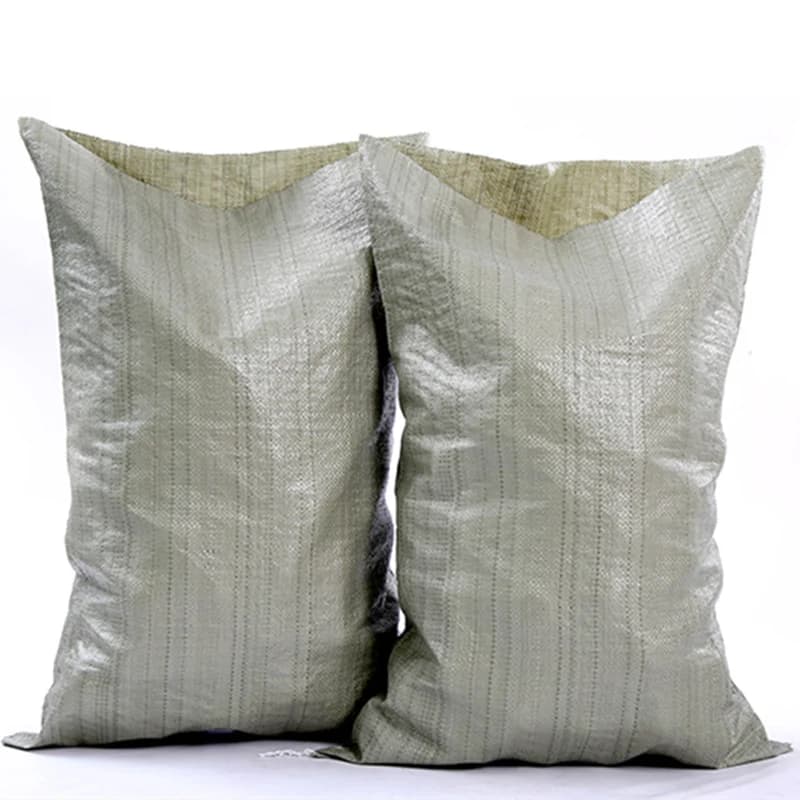
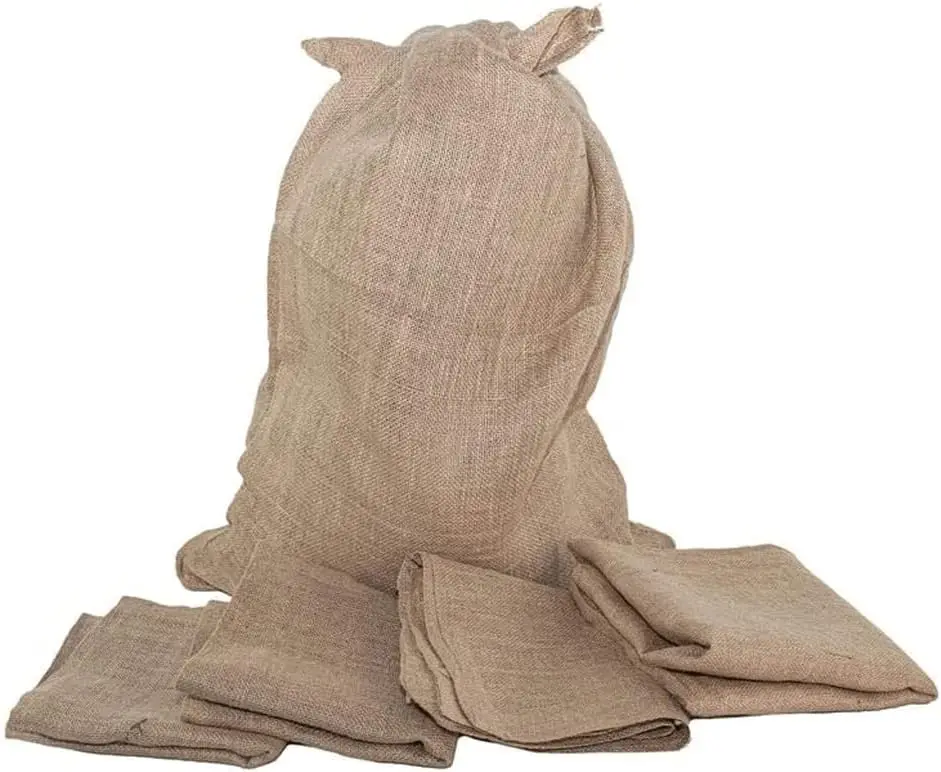
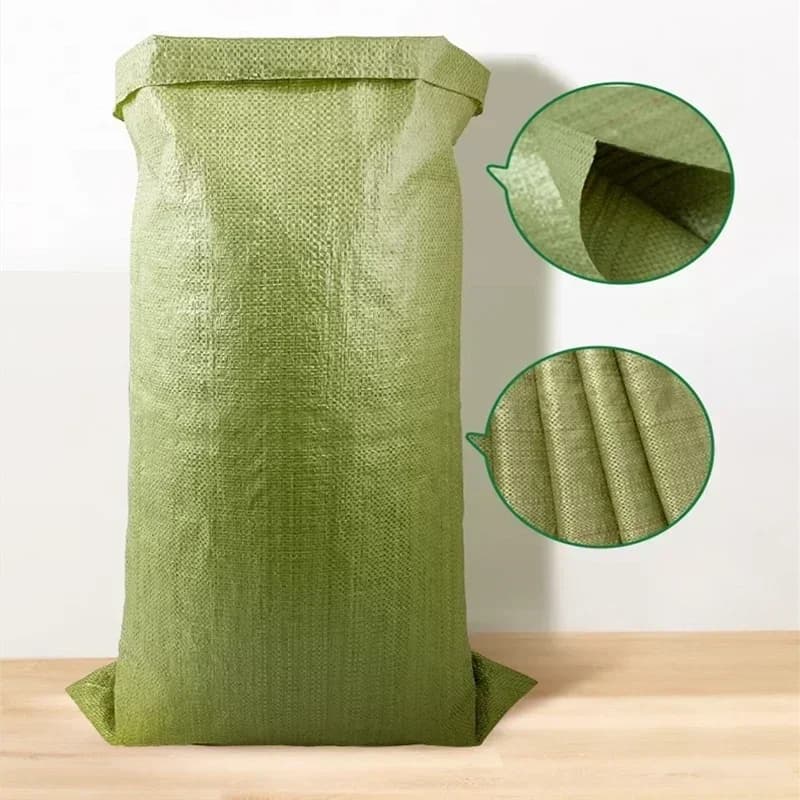
Compel supplies trade-grade site consumables designed for daily operations across construction, civil, and industrial facilities. Our inventory covers site maintenance and waste handling lines, including woven rubble sacks, heavy duty sacks, clear polythene bags, and natural hessian sacks. Industrial contractors rely on these supplies to keep active work areas organized, contain demolition debris, and protect materials on site.
Whether managing bulk transport packaging or ordering moisture-proof sack liners, commercial teams need construction consumables that do not split under load. Compel stocks dependable site supplies with direct trade dispatch, clear material specifications, and pack quantities sized for active job sites.
12 products in Site Consumables
Site Consumables
Site Consumables
Site Consumables

Site Consumables
Site Consumables
Site Consumables

Site Consumables

Site Consumables
Site Consumables
Site Consumables
 Out of stock
Site Consumables
 Out of stock
Site Consumables
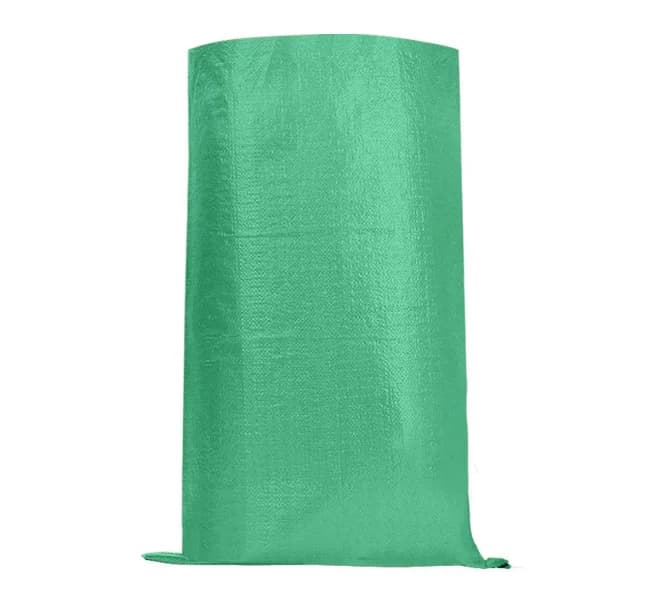
Selecting the correct sack material depends on the debris type, moisture exposure, and puncture risk. High-density woven polypropylene provides exceptional tensile strength for rough masonry, concrete, and soil.
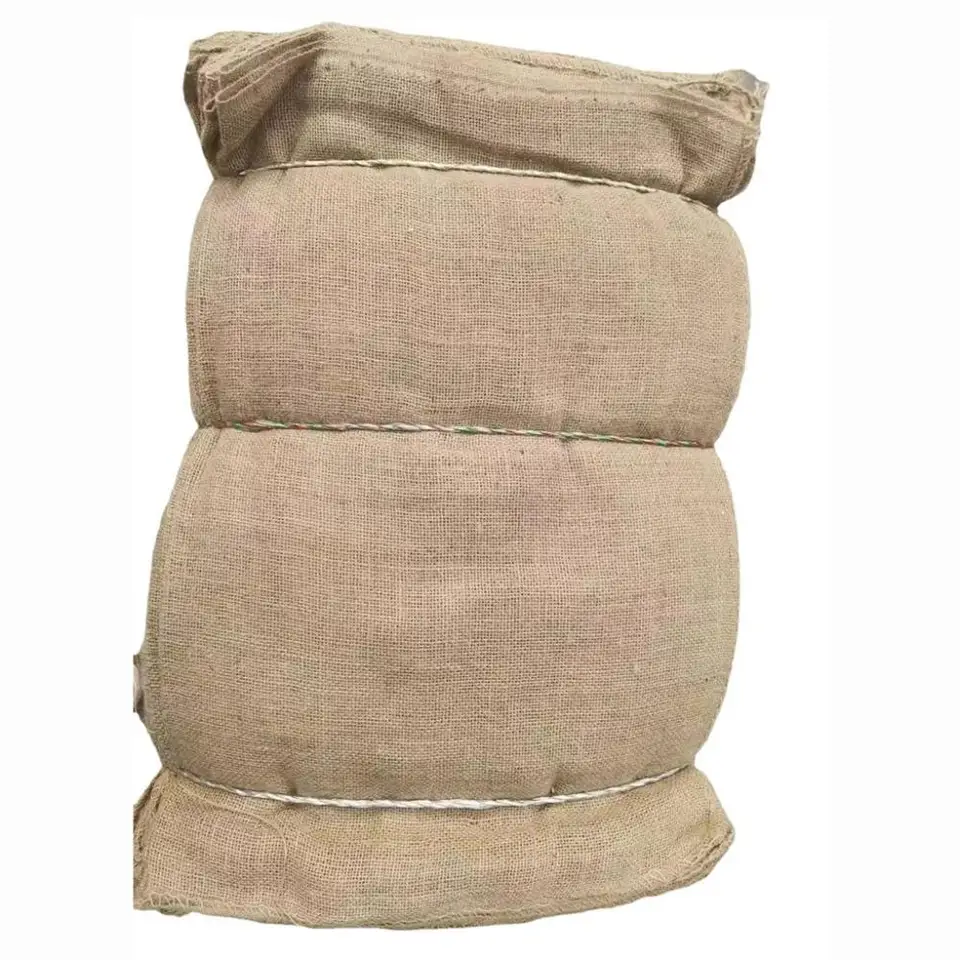
Natural fibres like jute and non-woven fabric offer eco-friendly handling for dry storage, landscaping, and aggregate ballast. Film-based plastics suit containment where moisture barriers are required.
Review these common substrate profiles based on site demands:
Demolition rubble and aggregate quickly exceed safe manual lifting weights if bag volume is too large. Dense materials like crushed brick and concrete belong in compact bags such as 40x60cm or 45x77cm to keep individual lifts manageable.
For bulky, low-density waste like timber offcuts, packaging sundries, or garden waste, choose larger profiles such as 60x100cm, 75x113cm, or 100x150cm. Sacks specified for 100L and above accommodate high-volume dry site refuse without requiring immediate emptying.
When lifting mechanical loads, verify stated ratings such as a 50kg Capacity threshold before filling sacks with dense fill.
Select the package profile based on handling requirements. Flat Type bags pack flat for efficient transit storage, while Three-dimensional Type and round freestanding containers stay open during solo loading operations.
If fine powder, wet screed, or soil runoff must be contained, specify self-sealing or LEAK-PROOF liners. Unlined woven rubble sacks allow liquids to drain, which helps reduce water weight in outdoor sandbags but will leak wet slurry indoors.
Buying guide
We use cookies. Some keep the store working, others show us what to fix. No third-party trackers, and we never sell your data. Learn more about cookies and your privacy