
Respiratory
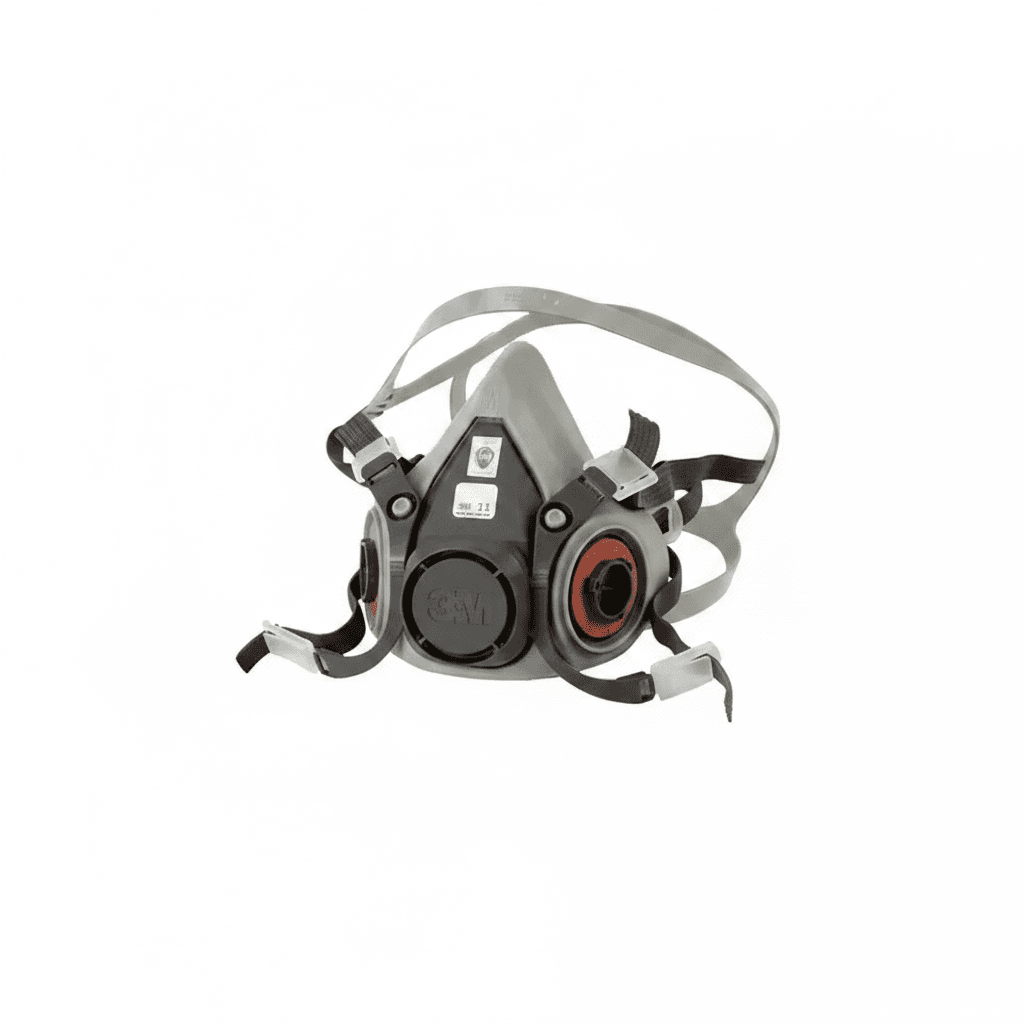
Respirator Mask | 3M 6200 Half Facepiece | Paint & Chemical Filter
CMP-04479RESP-00001
£229.99
3 products available
Respiratory protection ppe is a non-negotiable part of site safety in construction and industrial settings. This category includes safety masks and filters designed to protect trade professionals from airborne hazards like dust, chemical vapors, and toxic gases. Unlike disposable dust masks, the industrial respirators we supply provide a higher level of protection through a secure facial seal and specialized filter cartridges.
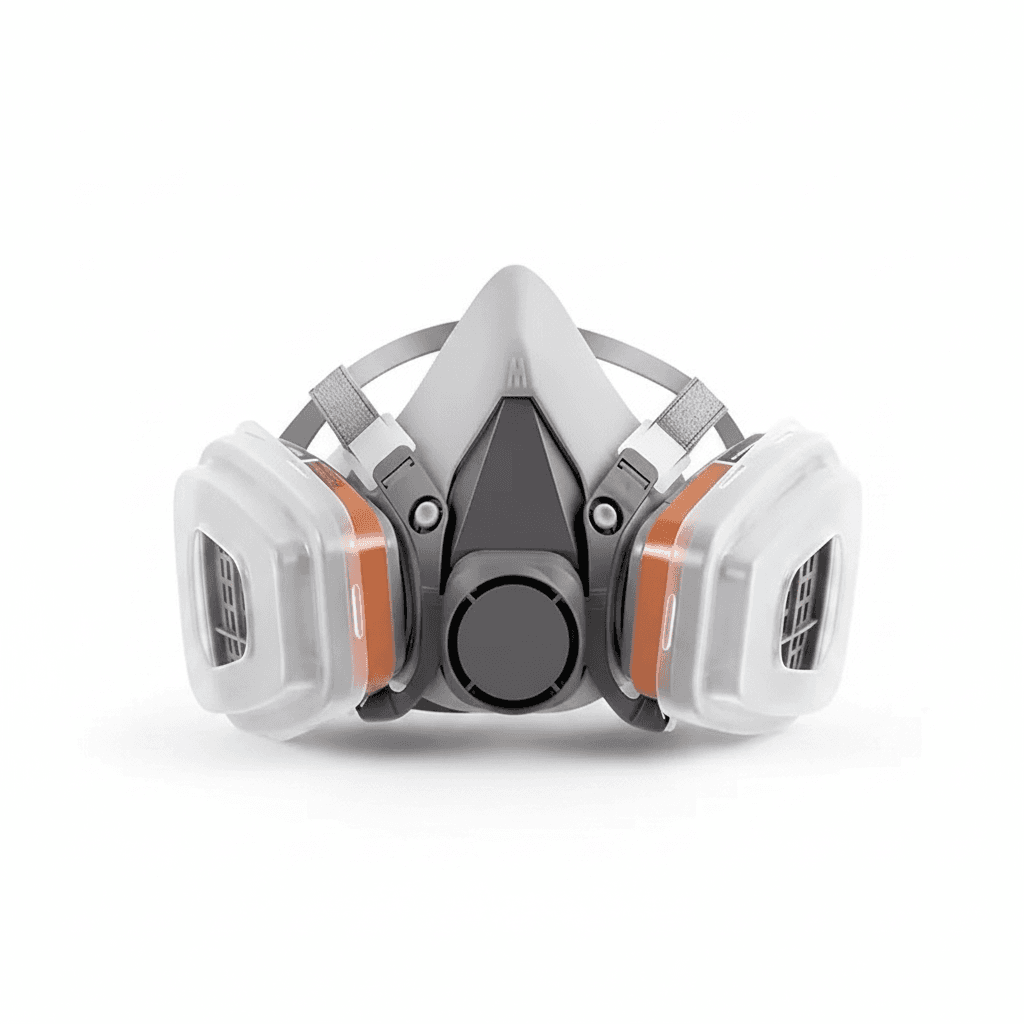
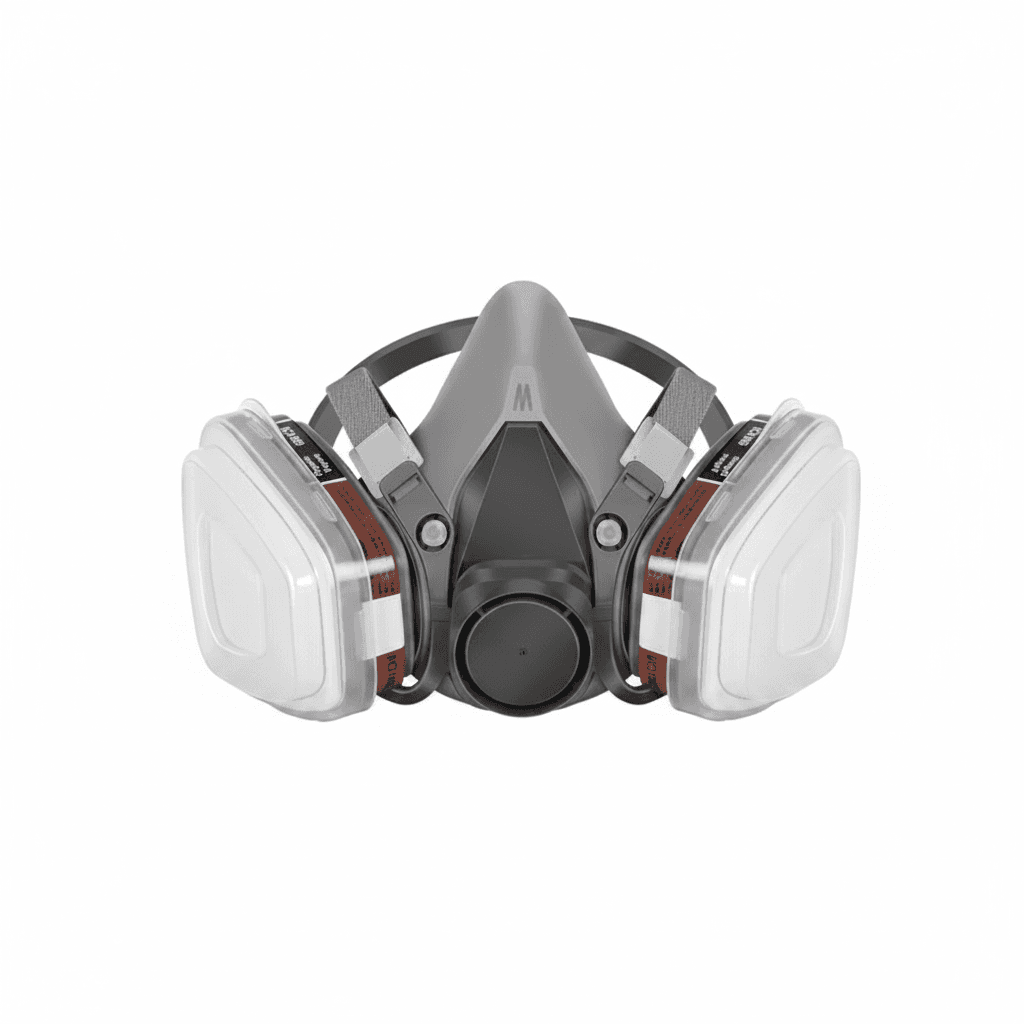
Our focused selection is centered on reusable half-facepiece respirators suitable for demanding applications such as painting, spraying, and working with specific organic or acid gases. This type of breathing apparatus is a mainstay for professional use where airborne contaminants are a known risk. Compel provides reliable access to the core respiratory equipment needed to maintain a safe working environment.
3 products in Respiratory
Respiratory
Respiratory
Respiratory
The first decision is choosing the correct type of mask for the hazard. Simple, disposable dust masks are only suitable for non-toxic particulates. For protection against chemical vapors, gases, and fine dust from industrial processes, a reusable half-face respirator mask is the required standard.
Half-facepiece models, such as the 6200 type, create a seal over the nose and mouth. This design, combined with appropriate filters, prevents the inhalation of harmful substances. The reusable nature of these masks makes them a cost-effective choice for regular use on job sites.
The filter cartridge determines what a respirator protects against. You must match the ppe filters to the specific hazards of your task. Cartridges are designed to handle distinct contaminant types, and using the wrong one offers no protection.
Our available respirators can be fitted with filters for a range of substances. Check the filter's specifications for protection against:
Always confirm the specific protective capabilities of a filter cartridge on its datasheet before use. Replace cartridges according to the manufacturer's schedule or immediately if you can taste or smell contaminants.
A respirator is only effective if it forms an airtight seal with your face. An improper fit allows contaminated air to leak in, defeating the purpose of the equipment. Before each use, you must perform a positive and negative pressure seal check as instructed by the manufacturer.
Facial hair can interfere with the seal of a half-face mask, so users must be clean-shaven in the seal area. Also consider compatibility with other PPE. Some respirator kits include integrated or compatible fog-proof goggles to ensure that your eye protection does not break the mask's seal.
Buying guide
We use cookies. Some keep the store working, others show us what to fix. No third-party trackers, and we never sell your data. Learn more about cookies and your privacy