
Lifting & Moving
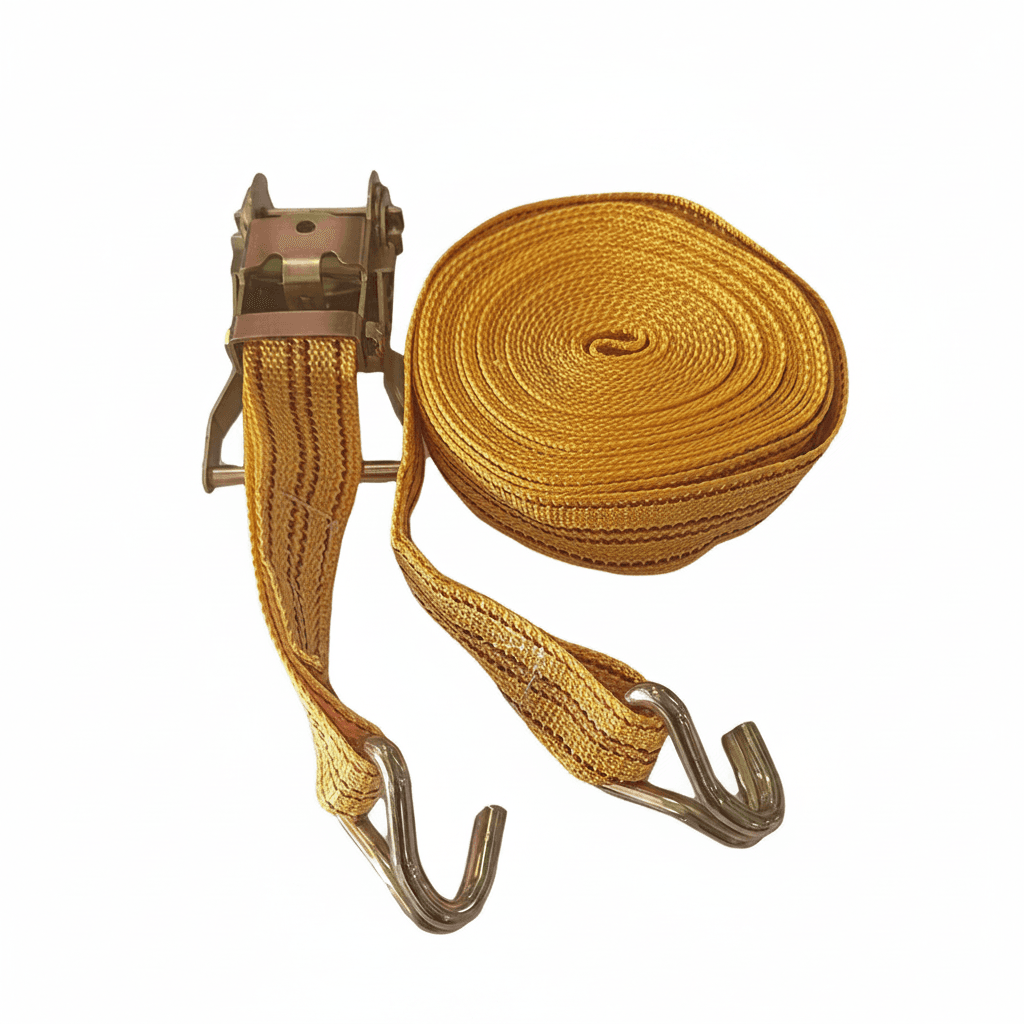
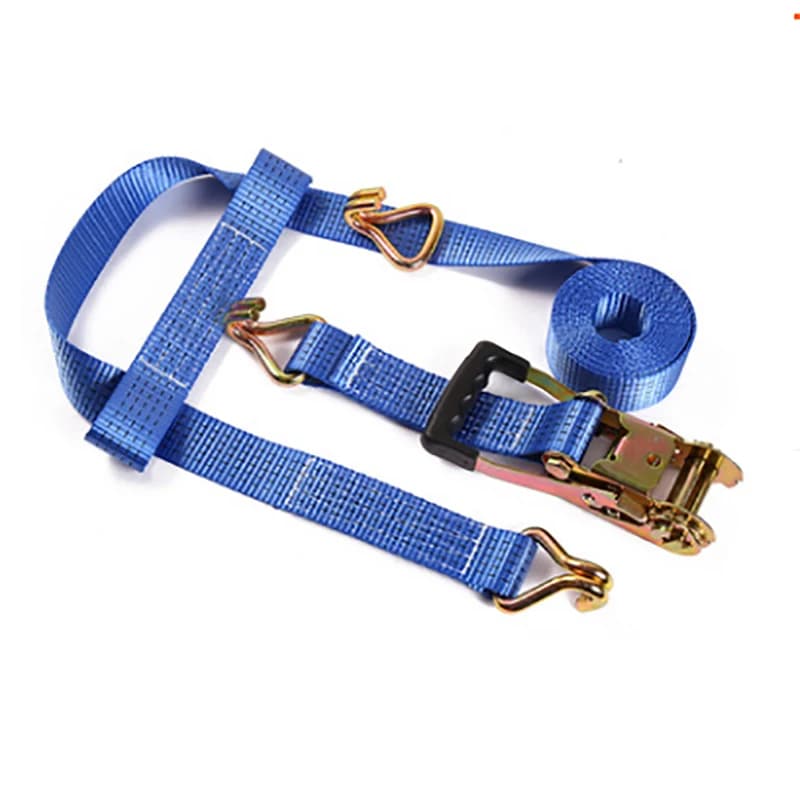
Ratchet Strap | 3-10m Lorry Lashing | Heavy Duty Claw Hooks
CMP-02928LIFT-00010
£72.99
12 products available
Find professional equipment for industrial lifting and commercial moving applications. This category includes the tensioning belts, straps, and slings required to safely secure, lash, and hoist materials on construction sites, in warehouses, and during transit. Our range is selected for trade professionals who need reliable performance for securing everything from palletized goods and building materials to vehicles and heavy equipment.
We supply a wide variety of securing solutions, including heavy-duty ratchet straps, bungee cords, and industrial lifting slings. With materials like high-strength polyester and durable metal alloys, our products meet diverse operational needs. Find straps with a range of load capacities and lengths, ensuring you get the correct specification for your task and operate safely.
12 products in Lifting & Moving
Lifting & Moving
Lifting & Moving
Lifting & Moving
Lifting & Moving
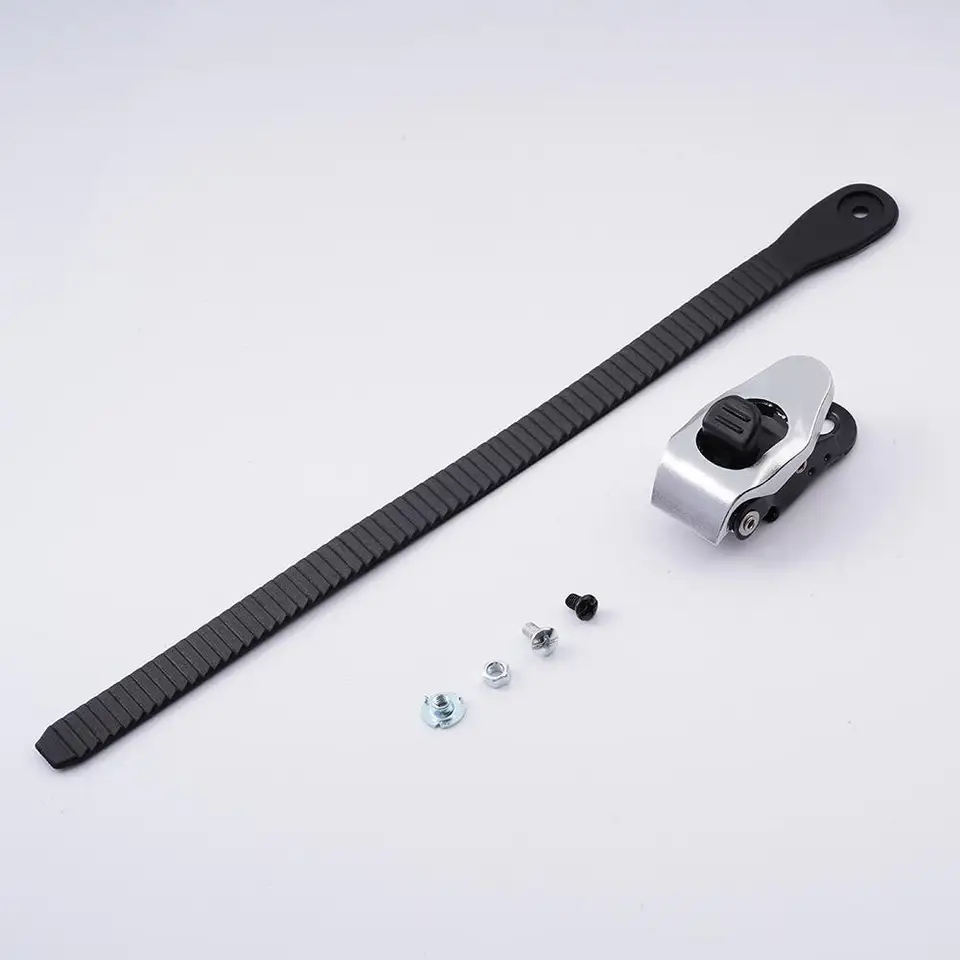
Lifting & Moving
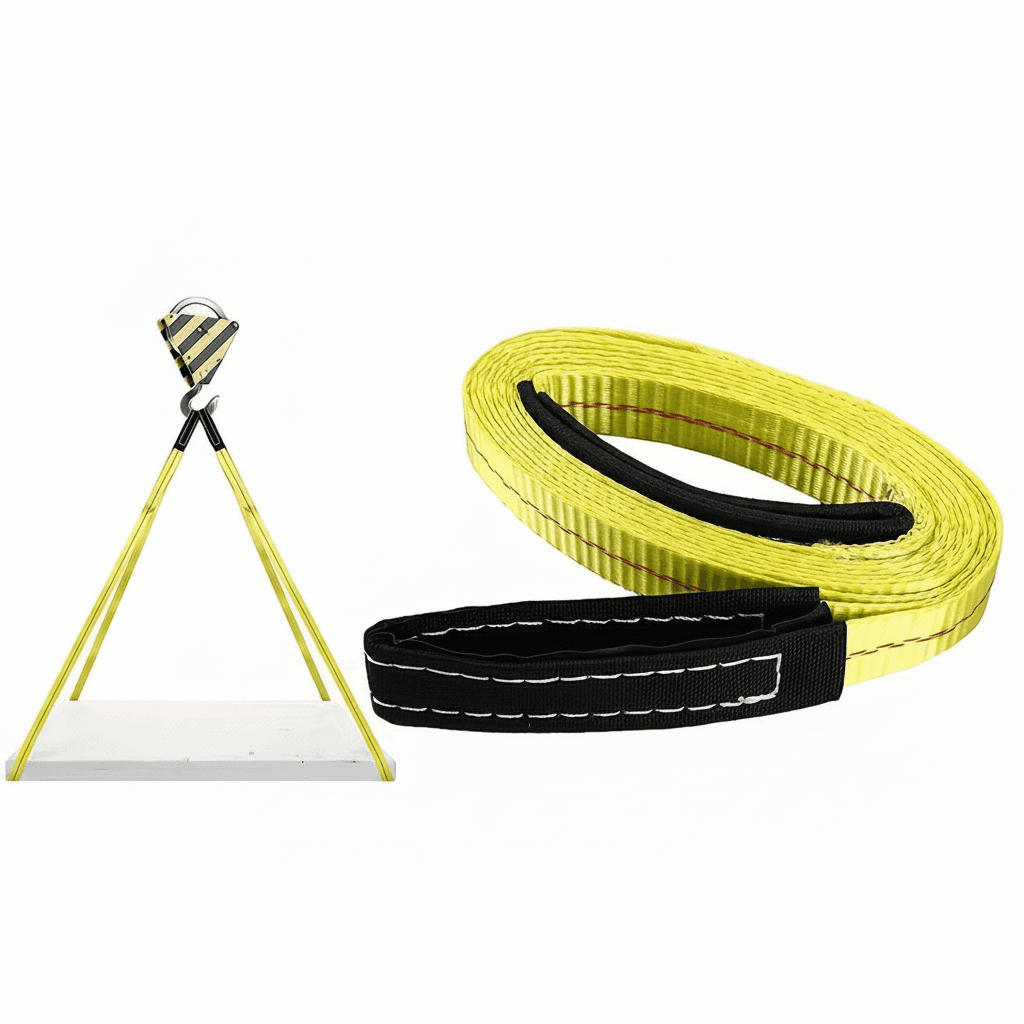
Lifting & Moving
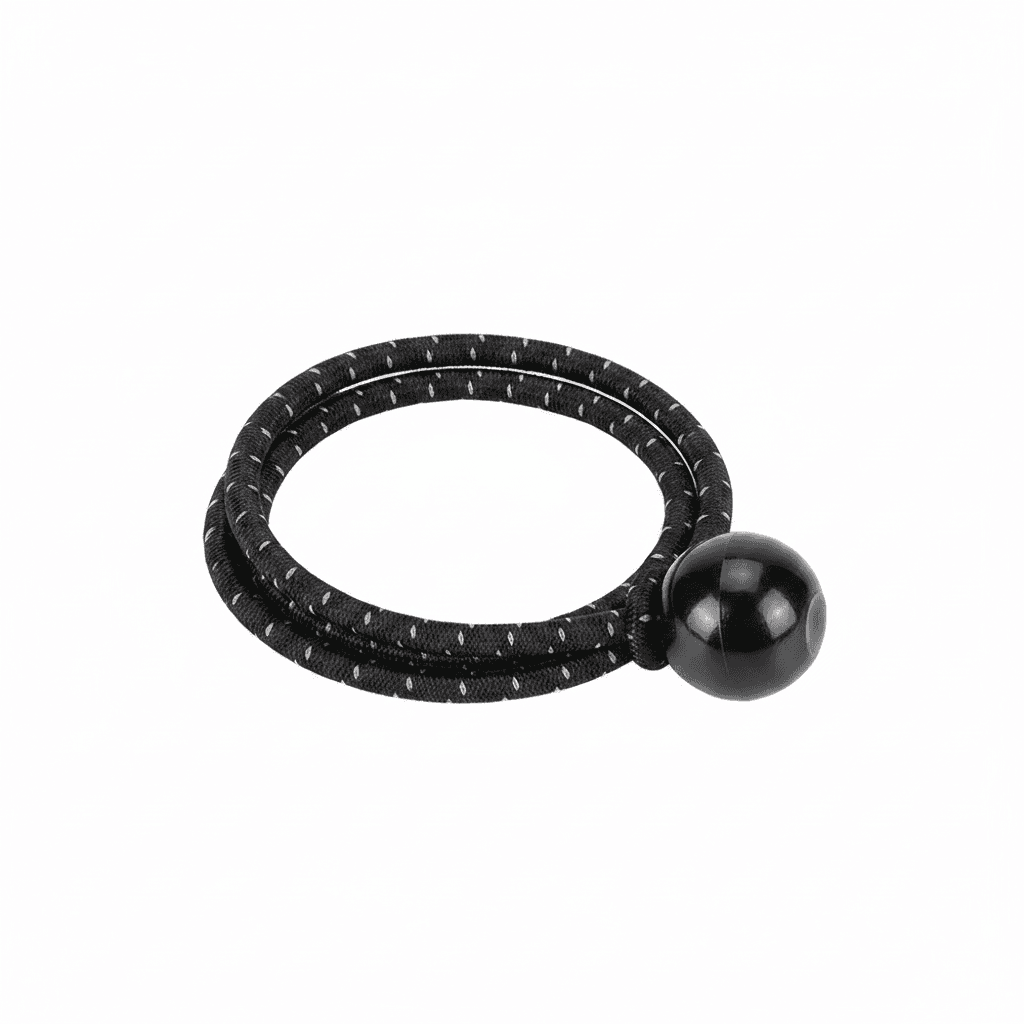
Lifting & Moving
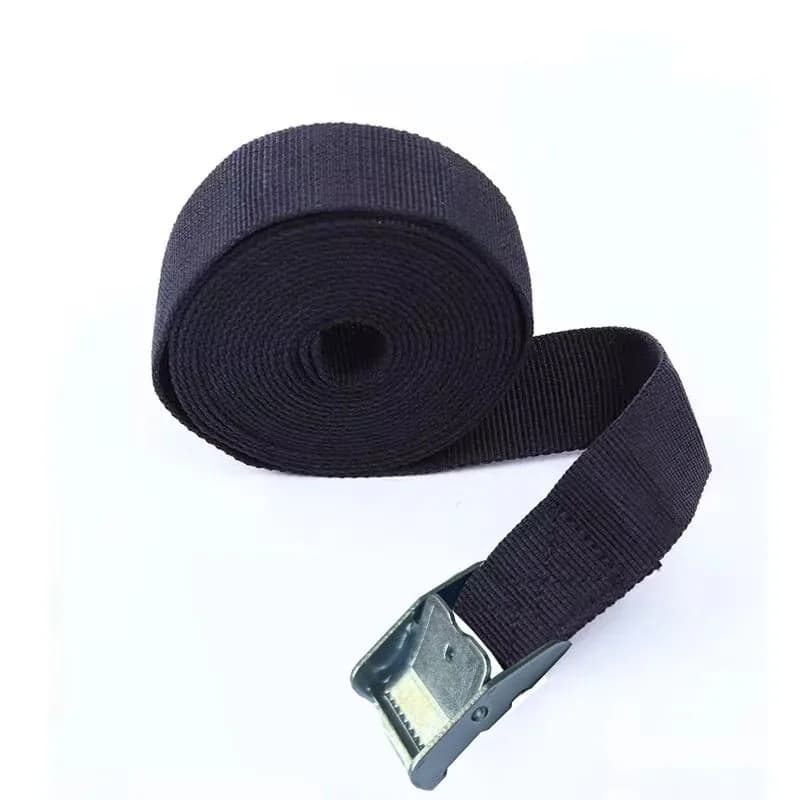
Lifting & Moving
Lifting & Moving
Lifting & Moving
 Out of stock
Lifting & Moving
 Out of stock
Lifting & Moving
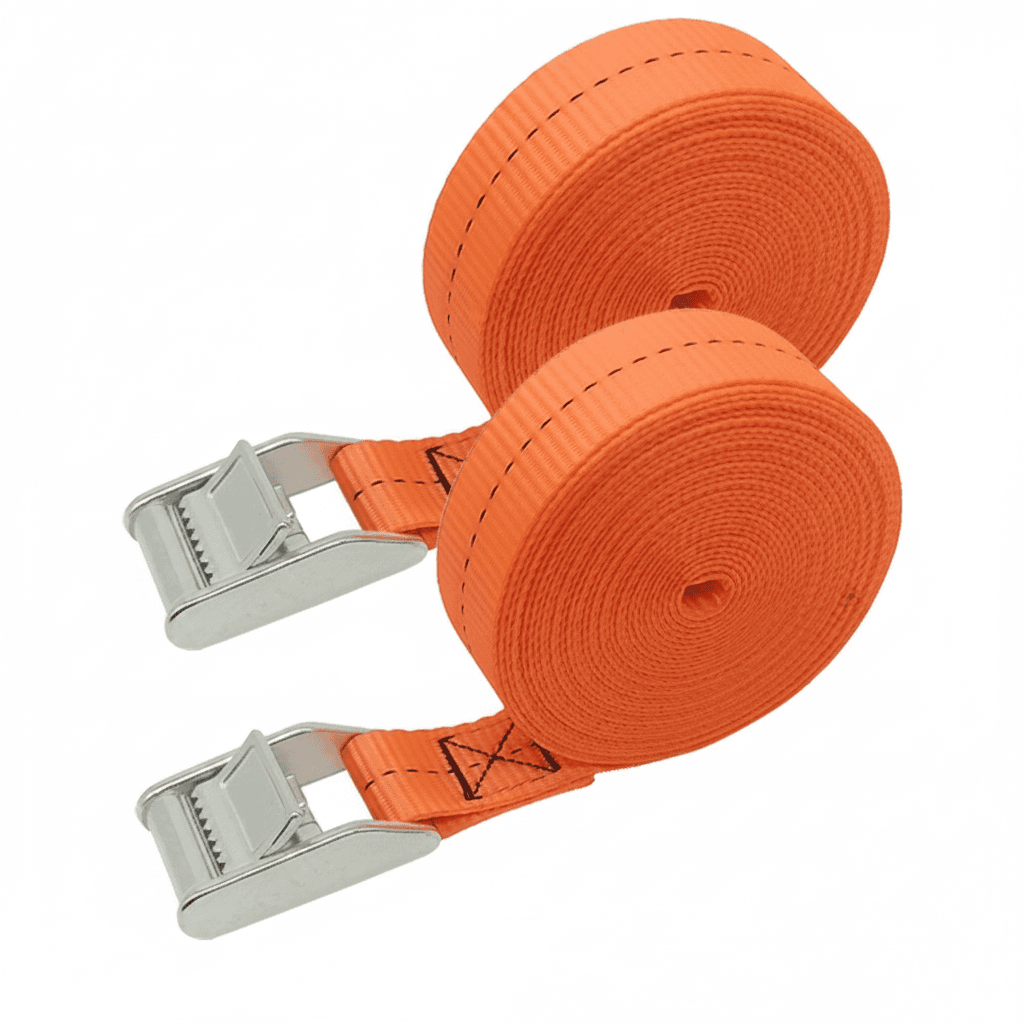
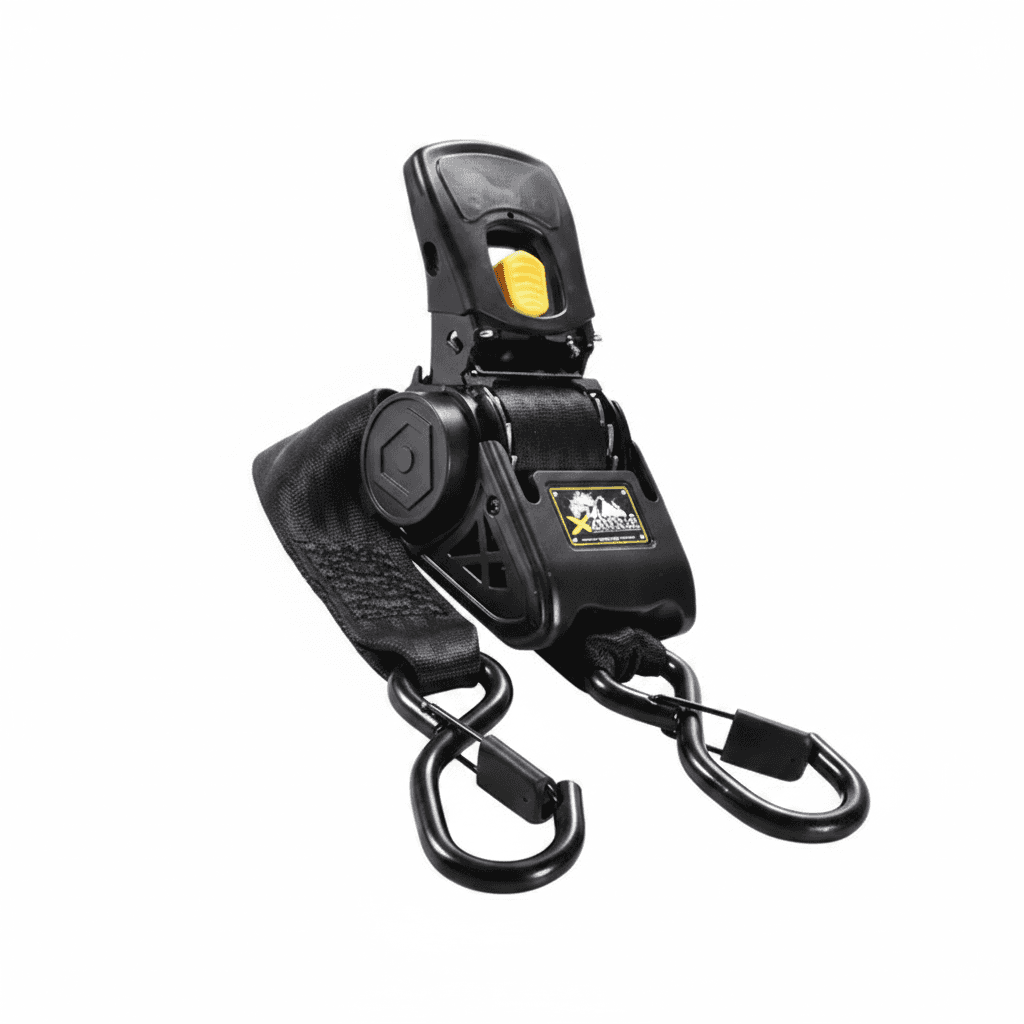
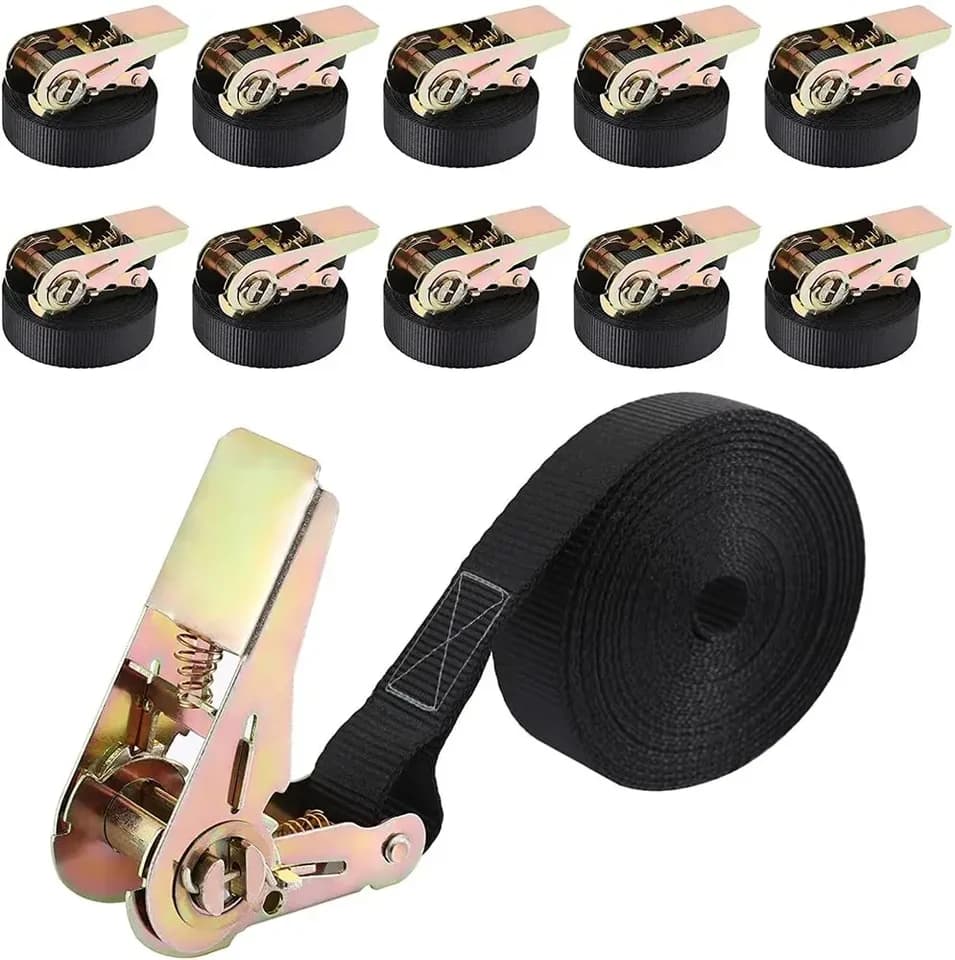
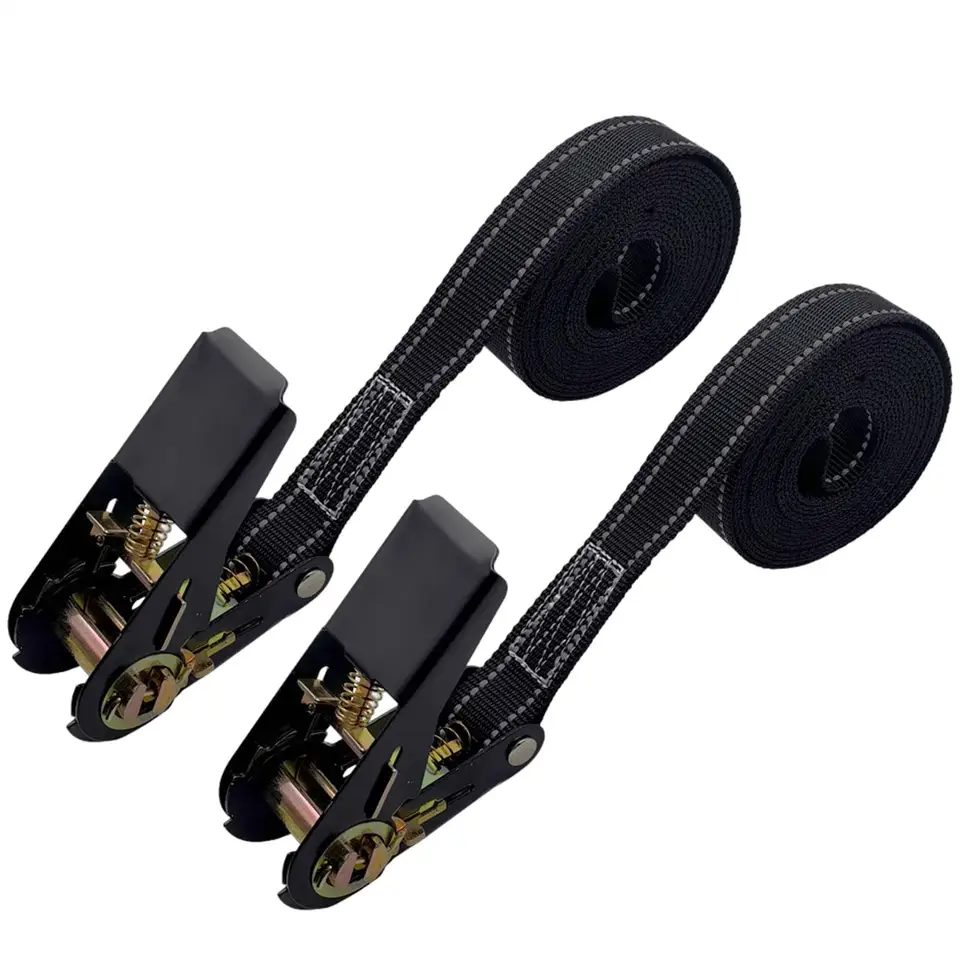
Your first decision is choosing the correct type of tool for the job. Ratchet straps are the standard for securing cargo. Their mechanical buckle allows you to apply high tension, preventing loads from shifting during transport on lorries or trailers. They are ideal for professional moving of freight, machinery, and palletized goods.
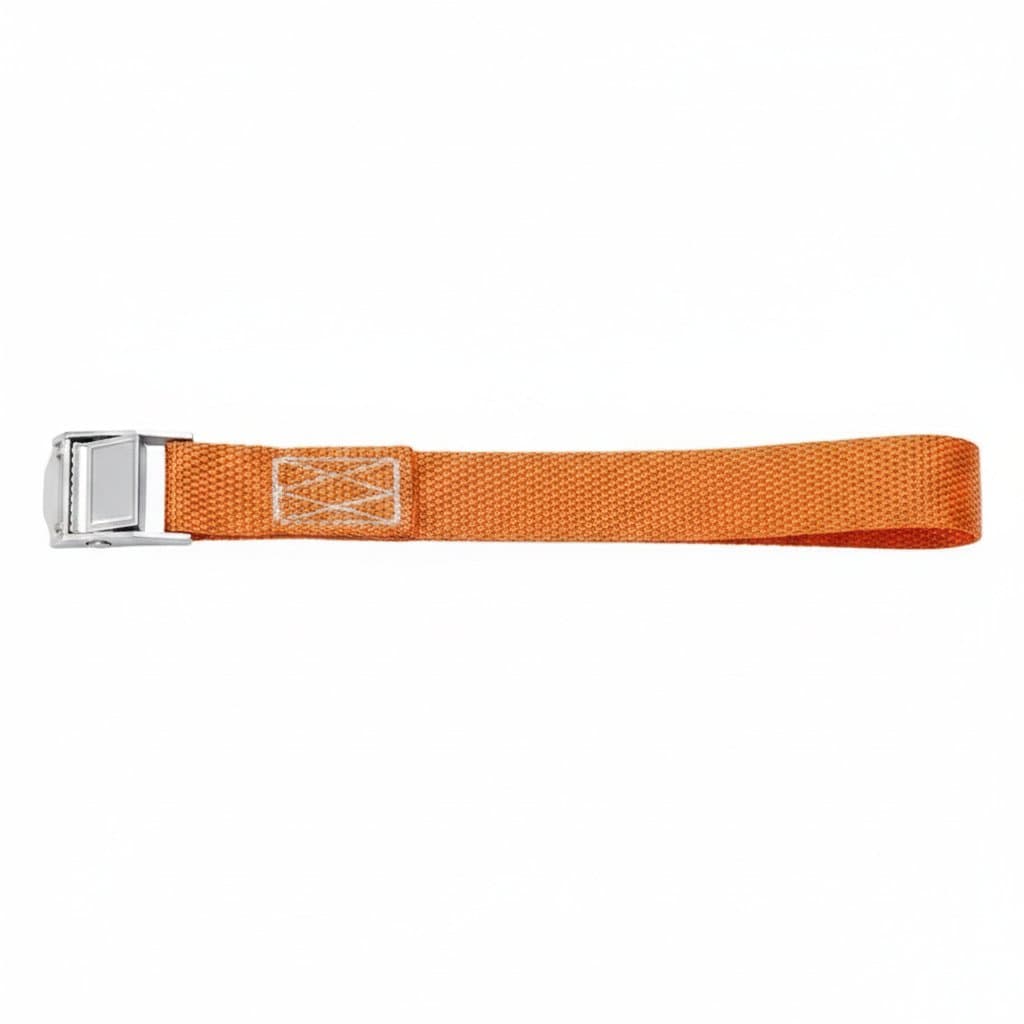
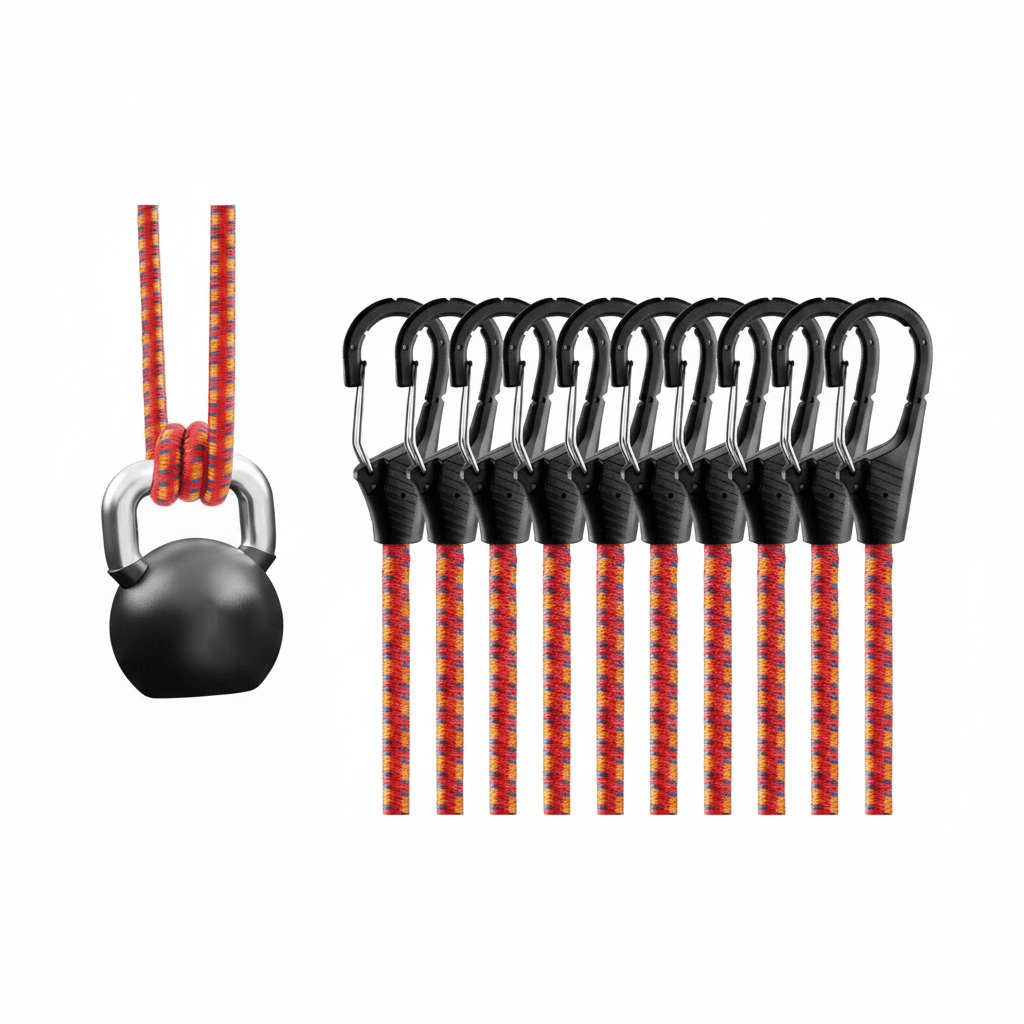
Bungee cords are suited for light-duty bundling and fastening. Use them to secure tarps, canopies, or lightweight tools where high tension is not required. For any hoisting task, you must use a dedicated lifting sling. These are engineered specifically for vertical lifting with a winch or crane and are distinct from lashing straps.
Verifying load capacity is for safety and compliance. Always check the Maximum Weight Recommendation or Working Load Limit (WLL) of any strap. Our range supports tasks from light bundling to heavy industrial lashing, with specific capacities listed for each product.
Material choice directly impacts performance. Most heavy-duty straps are made from polyester for its high strength, low stretch, and resistance to abrasion. Buckles and hooks are typically made from steel, zinc alloy, or aluminum alloy. For corrosive or marine environments, check the product datasheet for materials like stainless steel.
Strap dimensions must match the size of your load. Length determines the maximum circumference or perimeter you can secure. We offer straps in common lengths such as 2m, 3m, 6m, and 10m for tasks ranging from securing a motorcycle to lashing cargo across a lorry bed.
Strap width often correlates with its strength. A wider webbing, such as 25mm or more, distributes the load over a larger area and is typically used for higher load capacities. Always confirm the strap's rated capacity, as width alone is not a guarantee of strength. Choose a width that fits your anchor points and does not concentrate stress on the cargo.
Buying guide
We use cookies. Some keep the store working, others show us what to fix. No third-party trackers, and we never sell your data. Learn more about cookies and your privacy