
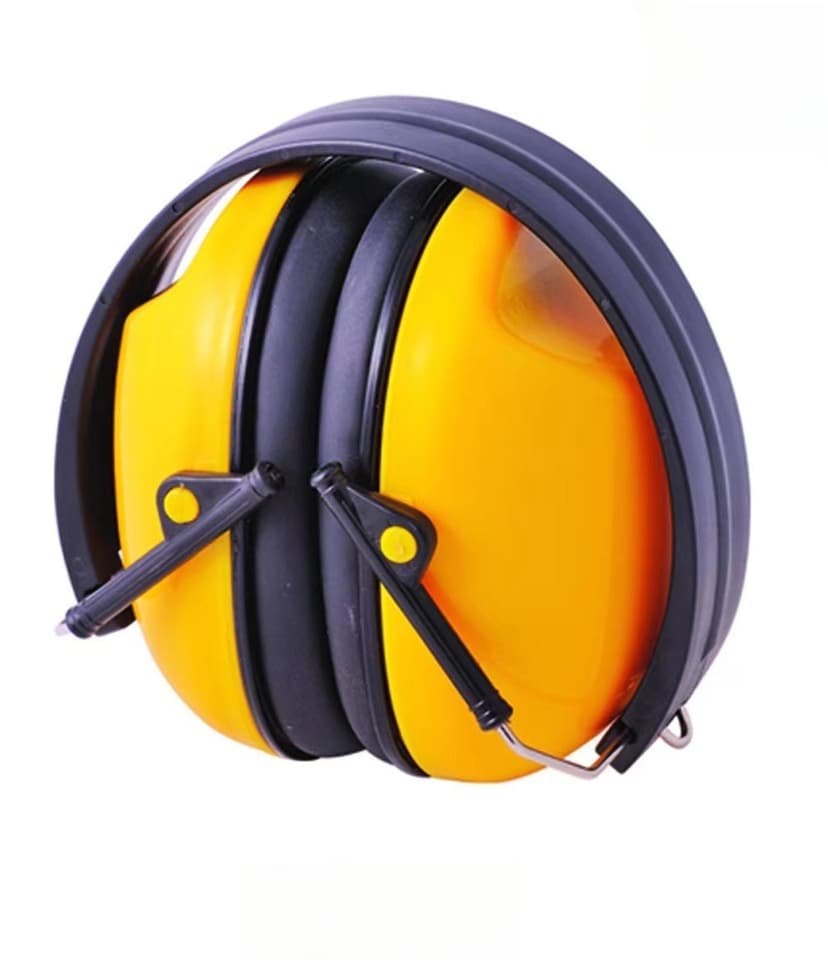
Hearing Protection
Ear Defenders | Head-Mounted Noise Reduction | Workshop Safety
CMP-04481HEAR-00001
£52.99
3 products available
Hearing protection PPE is a mandatory safety measure on most construction and industrial sites. This category includes equipment designed to reduce your exposure to hazardous noise levels. We supply professional-grade solutions, including over-ear defenders and options for intermittent use, suitable for demanding work environments. Our focus is on reliable, compliant equipment for trade and industry, not consumer or DIY applications.
Our curated selection provides the core types of hearing protection you need. You'll find standard head-mounted ear defenders for general workshop safety and advanced headsets with features like Bluetooth connectivity or active noise reduction. This allows you to choose protection that not only blocks harmful noise but also supports on-site communication. We supply compliant hearing protection that meets professional standards.
3 products in Hearing Protection
Hearing Protection
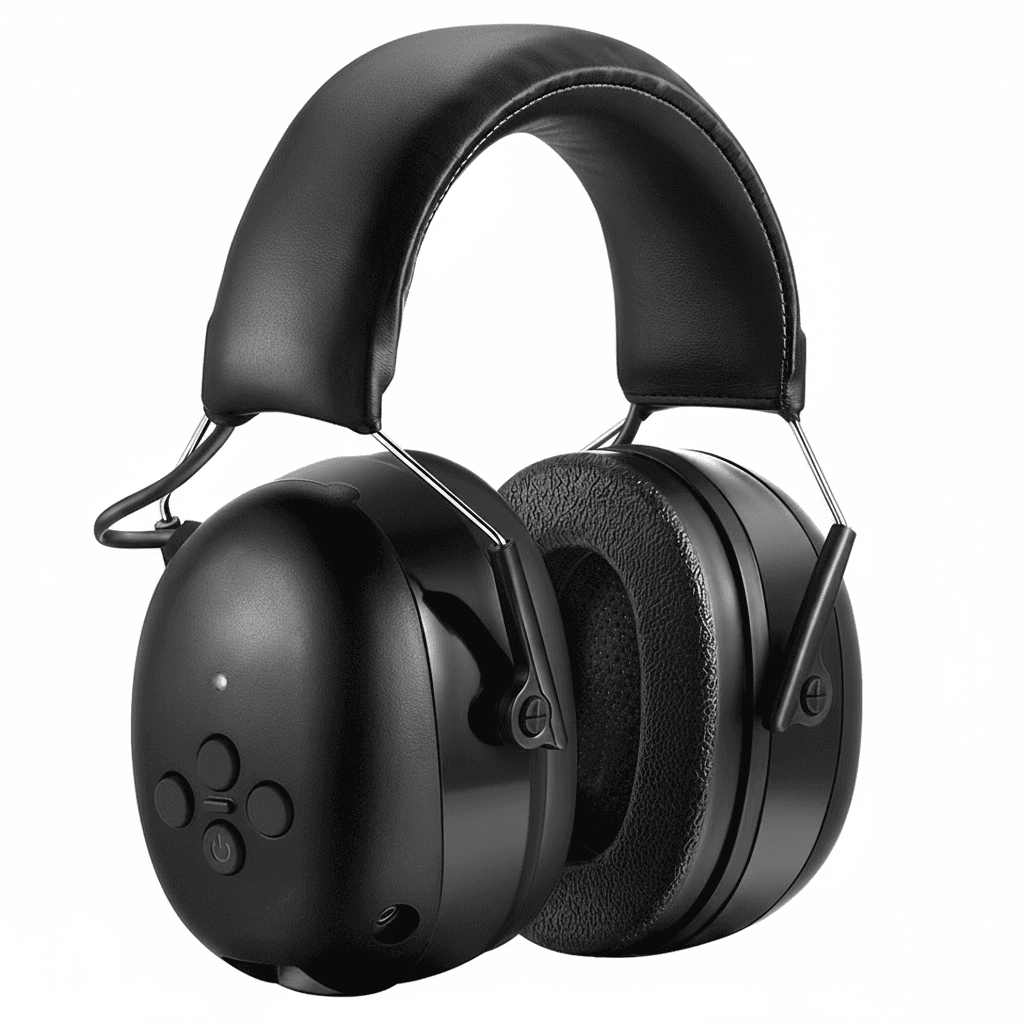
Hearing Protection
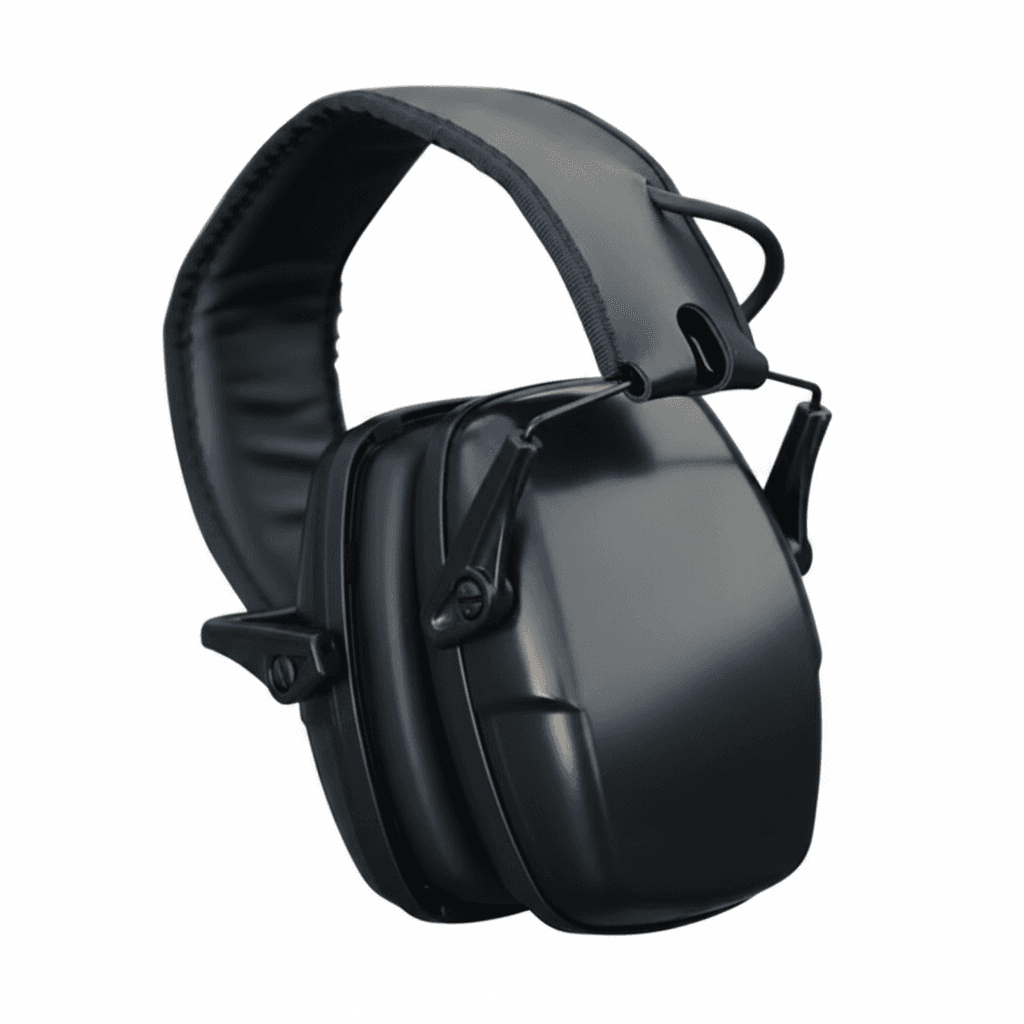
Hearing Protection
Your choice of hearing protection depends on the noise level, duration of use, and work environment. Ear defenders industrial models, also known as earmuffs, enclose the entire ear. They provide consistent protection and are easy to put on and take off. They are ideal for environments with steady, high noise levels.
For work in tight spaces or hot conditions, ear plugs safety models can be a better fit. They are inserted into the ear canal and can be disposable or reusable. Hearing protection bands feature ear pods on a lightweight band. They are best for supervisors or workers who move between quiet and noisy areas and need to apply protection intermittently.
Passive noise reduction works by physically blocking sound waves with materials like foam and plastic. These are common in standard 'soundproof' ear defenders and are effective against constant, loud machinery noise. They are simple, reliable, and require no power.
Active noise cancelling ear protection uses electronics to counter low-frequency sound waves. Some advanced models also offer impact sound amplification. This feature suppresses sudden loud noises like nail guns while amplifying ambient sounds like speech or warning signals. This allows for better situational awareness without removing your PPE.
Modern worksites often require communication while wearing PPE. Some ear defenders integrate Bluetooth technology, allowing you to wirelessly connect to a mobile device. This feature lets you take calls, listen to instructions, or stream music without removing your hearing protection.
When selecting a connected model, check the specifications for audio performance, such as driver size and frequency response, to ensure clear sound. Also, verify the warranty period and any listed certifications, like CE, which indicates conformity with health and safety standards within the European Economic Area.
Buying guide
We use cookies. Some keep the store working, others show us what to fix. No third-party trackers, and we never sell your data. Learn more about cookies and your privacy