
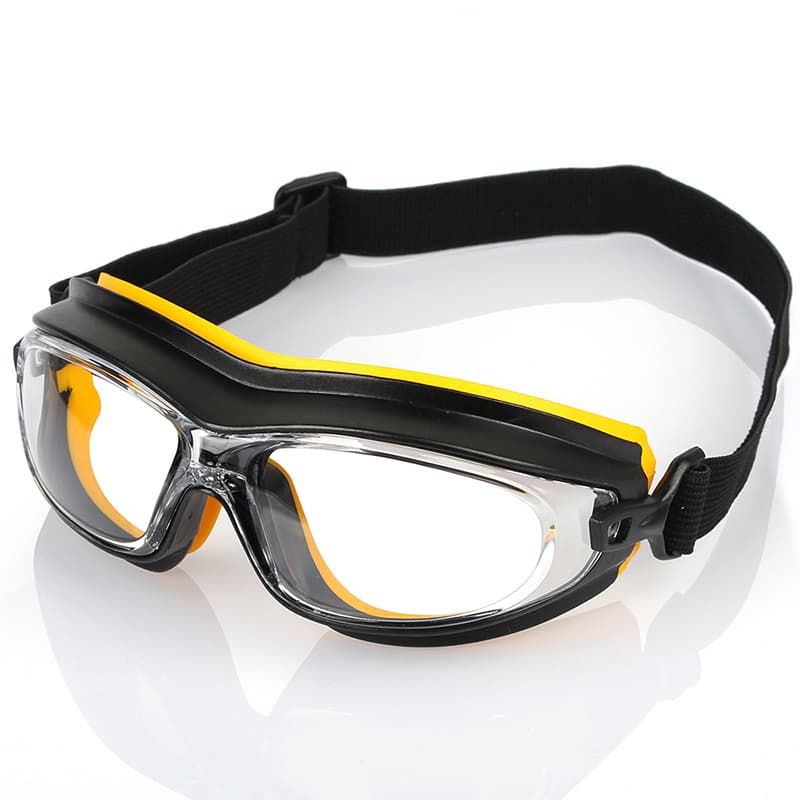
Eye Protection
Resistant Safety Goggles | Chemical & Acid Splash Protection
CMP-04474EYEP-00001
£50.99
3 products available
Eye protection is required on any construction or industrial site. This category of protective eyewear is designed to shield workers from job-specific hazards like impact, dust, chemical splash, and airborne debris. Our selection is focused on the core needs of trade and industry, providing functional and effective protection for professional use.
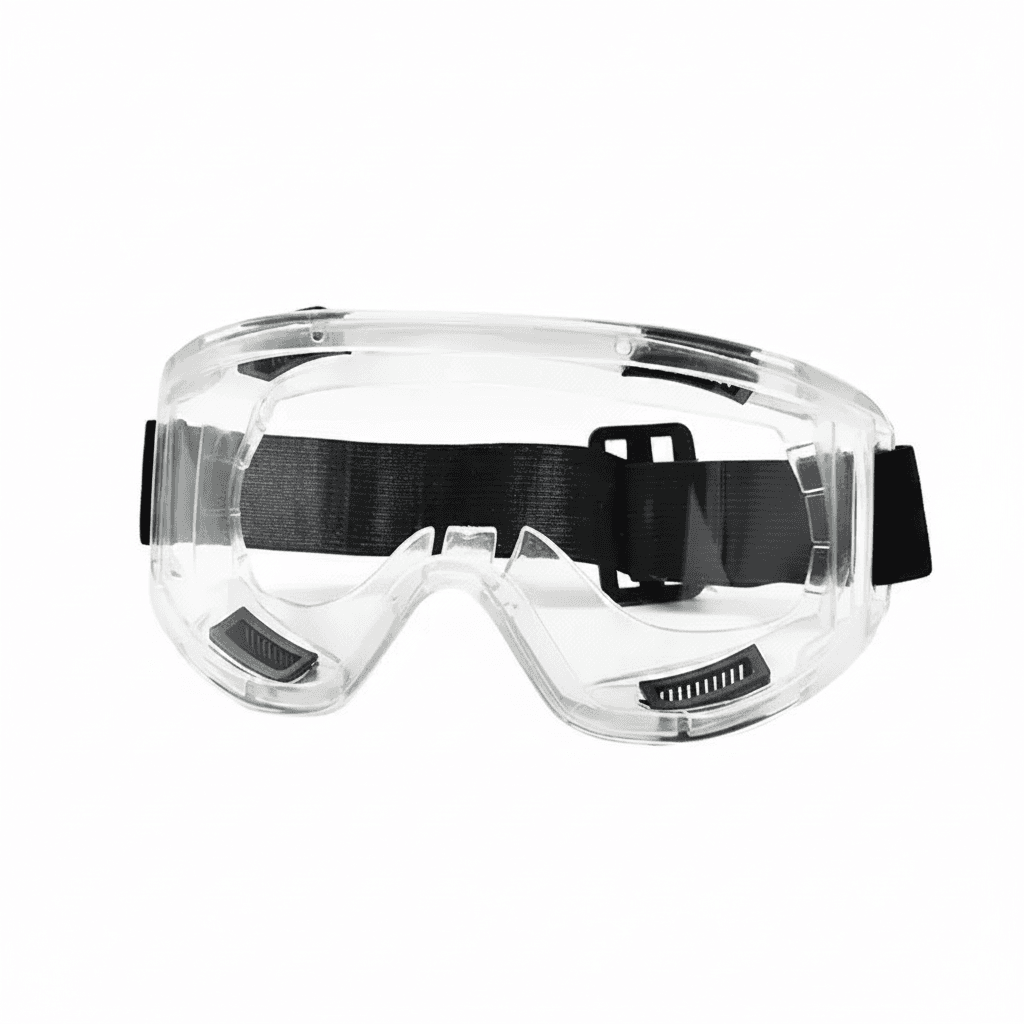
This curated range centers on safety goggles designed for industrial, lab, and general work applications. You will find models with features like anti-fog lenses, vented frames for airflow, and sealed designs for dust and splash resistance. We provide the eye protection your team needs to work safely and in compliance with site rules. Get the right equipment for the job, delivered.
3 products in Eye Protection
Eye Protection
Eye Protection
 Out of stock
Eye Protection
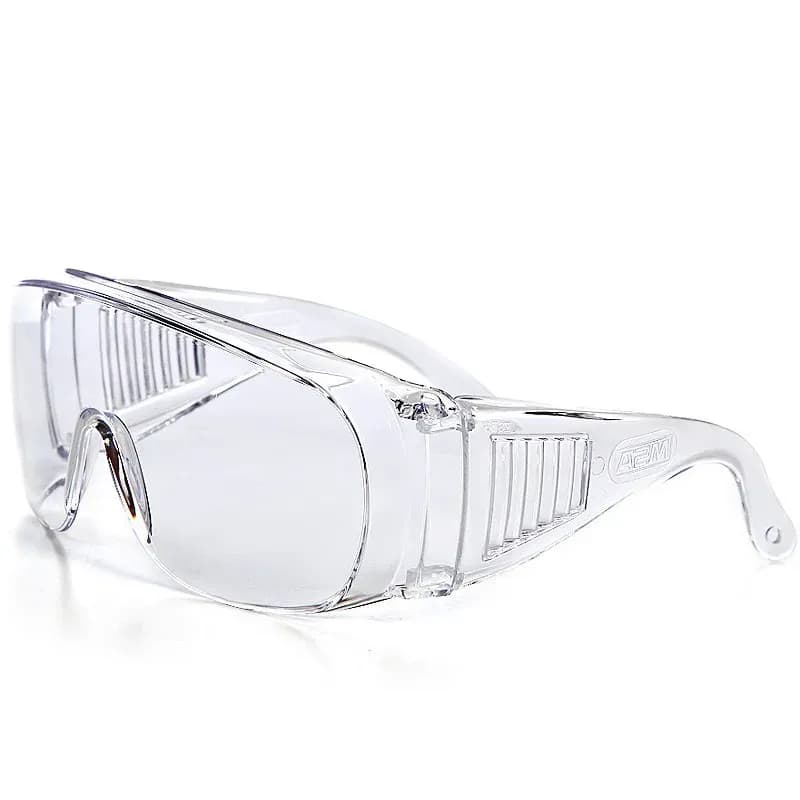
The first decision is selecting the right type of eye protection for the task. Safety glasses are the baseline, offering impact protection from the front and sides. They are suitable for general construction tasks where the primary risk is flying particles.
Safety goggles provide a higher level of protection. They form a seal around the eyes, making them the correct choice for work involving significant dust, airborne particulates, liquid splash, or chemical handling. For full-face protection from splash or high-velocity debris, face visors are required. A face visor is typically worn over safety glasses or goggles, not as a standalone replacement.
Once you have chosen a type, match the specific features to your work environment. Look for key protective properties listed on the product specifications.
For environments with airborne particles from cutting, grinding, or mixing, select eyewear rated as 'Dust Proof'. For handling liquids, paints, or chemicals, 'Anti-Splash', 'Anti-Spray Paint', or 'Anti-Chemical' properties are necessary. Our listings specify the hazards each product is designed to mitigate, such as wind, sand, and shock.
Clear lenses are the standard for general-purpose indoor and outdoor use, providing true color perception. An anti-fog coating is a critical feature for maintaining clear vision, especially when moving between different temperatures or during strenuous work.
Frame design also impacts performance. Vented goggles increase airflow to help prevent fogging but may not be suitable for liquid splash applications. Non-vented goggles offer the best protection against splash and fine dust but may be more prone to fogging without an effective anti-fog coating.
Compliance requirements for eye protection PPE vary by country, region, and application. For example, standards for safety goggles in the UK may differ from those in other markets. It is the buyer's responsibility to perform a risk assessment and ensure the selected equipment meets local regulations.
Our product listings provide all available certification information for each item. If a specific standard like ANSI Z87.1 or EN 166 is required for your work, check the product's technical datasheet to verify compliance before purchase.
Buying guide
We use cookies. Some keep the store working, others show us what to fix. No third-party trackers, and we never sell your data. Learn more about cookies and your privacy