
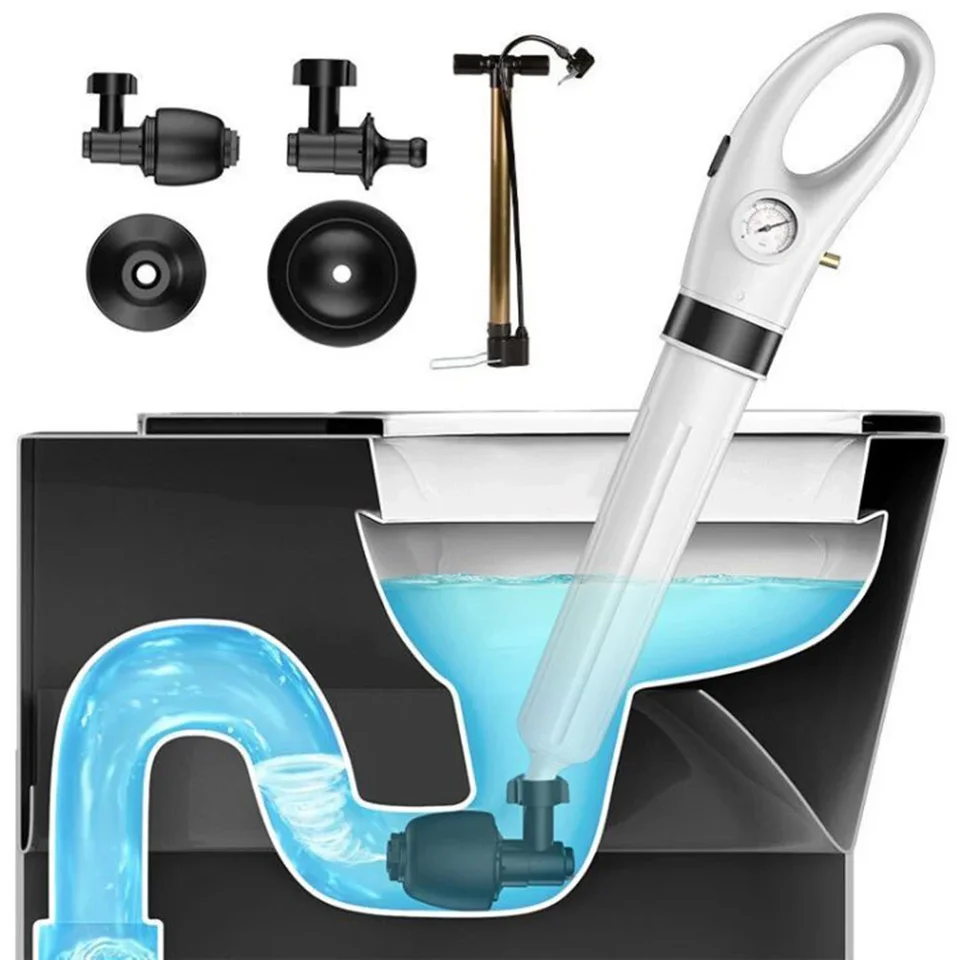
Drainage & Drain Tools
Toilet Plunger | High-Pressure Air Drain Blaster | Clog Remover Tool
CMP-03043TOOL-01457
£148.99
3 products available
Drain tools are used to clear blockages and maintain flow in plumbing and drainage systems. This category provides hand tools specifically for professionals in construction, building maintenance, and facilities management who service commercial drainage systems. Our selection focuses on effective, manually operated drain tools for clearing common obstructions in sinks, toilets, and floor drains.
Compel offers specified tools with clear material and performance details, ensuring you can select the correct drain tool for your task without guesswork. All tools in this category are hand-operated and feature a flexible style for easier access to awkward fixtures.
3 products in Drainage & Drain Tools
Drainage & Drain Tools
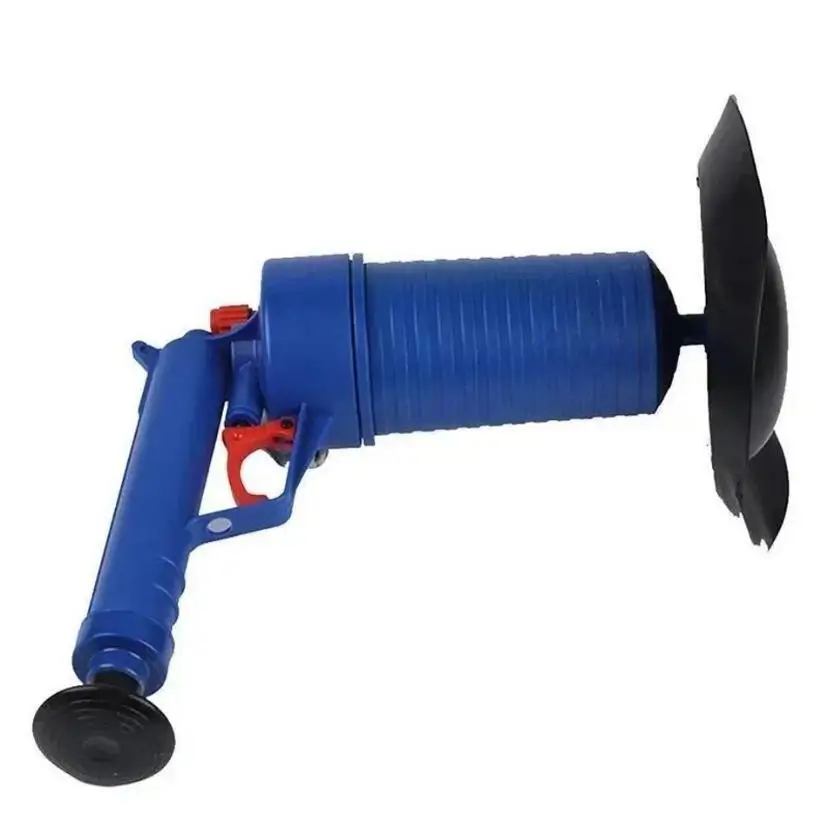
Drainage & Drain Tools
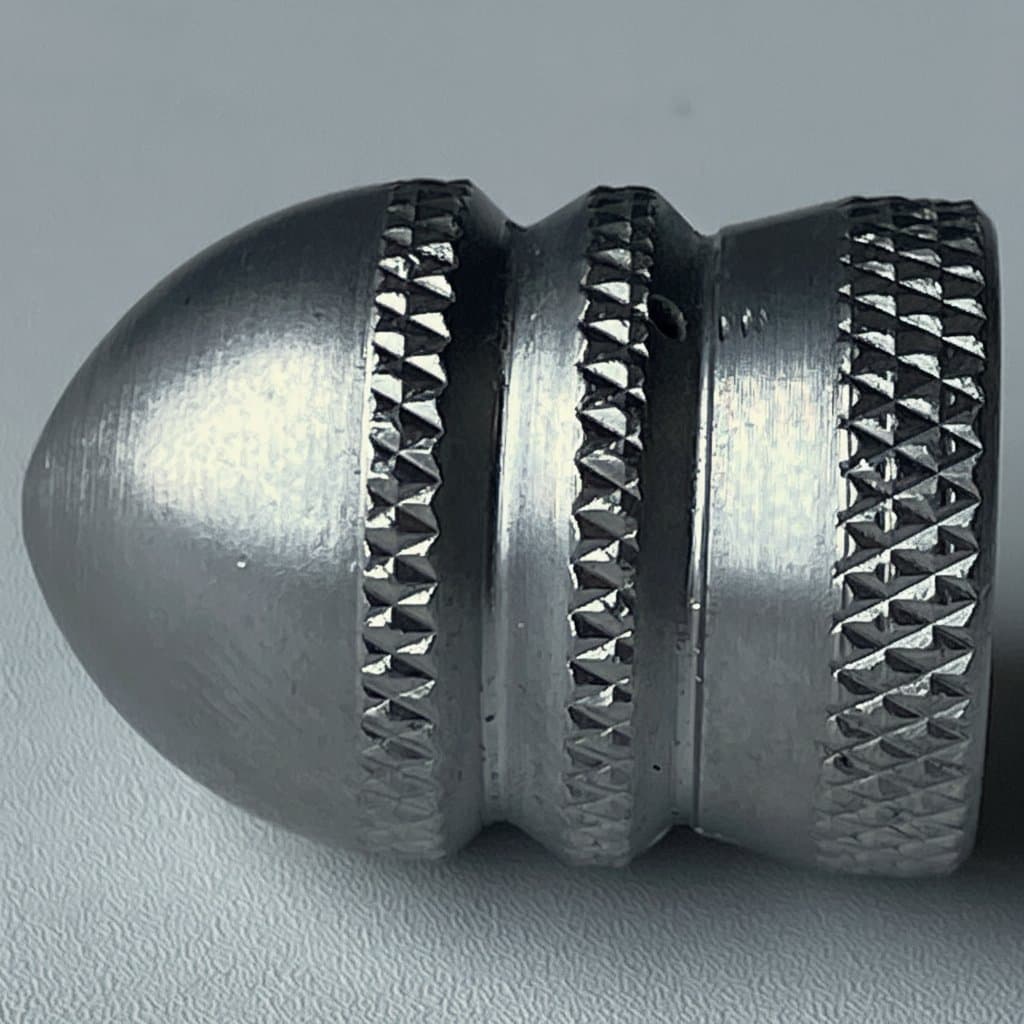
Drainage & Drain Tools
The primary choice for a manual drain tool is its method of action. A traditional pump-action plunger creates force by displacing water. This is effective for clogs in toilets and floor drains where a good seal can be formed.
A high-pressure air drain blaster uses a chamber of compressed air, released in a single burst, to dislodge stubborn blockages. This method can be more effective on tougher obstructions in sinks and pipes. The choice depends on the typical blockages you encounter and the type of fixture.
The materials used in a drain tool determine its durability and suitability for different environments. Tools made from ABS plastic offer rigidity and impact resistance, which is valuable for a frequently used hand tool. Plunger cups made from materials like EVA provide flexibility, allowing the tool to create a better seal on uneven or curved surfaces.
For any industrial drainage application where cleaning chemicals may be present, always check the product's datasheet for specific material compatibility information.
Effective clog removal depends on a proper fit between the tool and the drain opening. An incorrect size will fail to create the necessary pressure or seal. Before purchasing, measure the drain openings you service most often.
Compare these measurements with the tool's dimensions, which are provided on the product page. A flexible style can help adapt to various drain shapes, but the primary diameter of the tool's head must be appropriate for the pipe or fixture to work correctly.
Buying guide
We use cookies. Some keep the store working, others show us what to fix. No third-party trackers, and we never sell your data. Learn more about cookies and your privacy