
Concrete & Masonry Tools
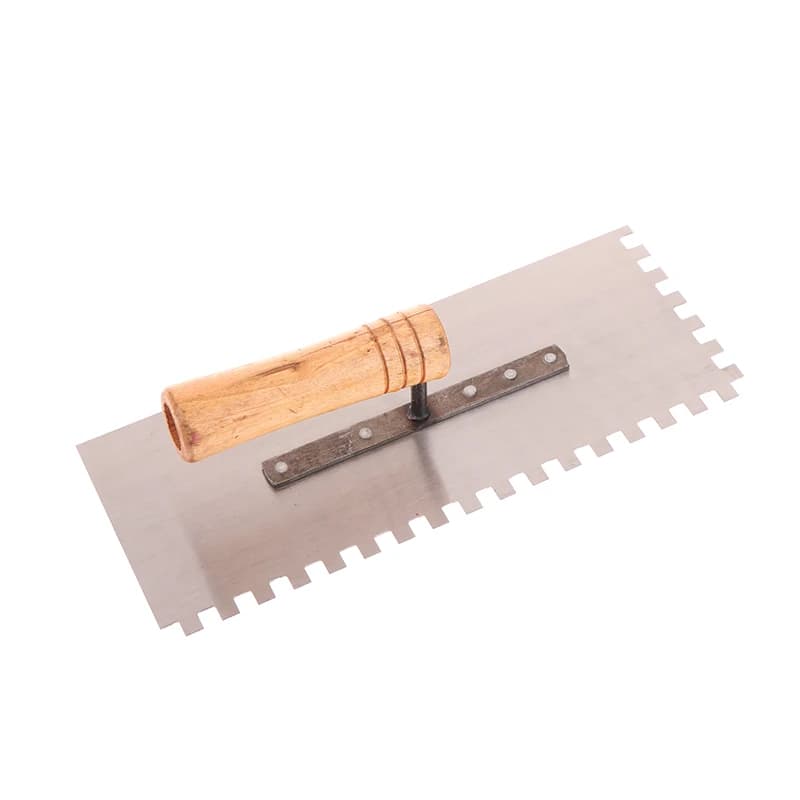
Mortar Board Trowel | Serrated Edge | Large Board Plastering
CMP-03854TOOL-01559
£47.99
6 products available
Masonry tools are fundamental for professional plastering, bricklaying, and concrete finishing. This category includes the hand tools and accessories that tradespeople rely on for mixing, applying, and finishing mortar, plaster, and cement. Compel serves trade and industry with a focused selection of tools built for daily job site use, not occasional DIY tasks.
Our range covers core equipment like mortar boards in plastic and metal, durable trowels, and stable mortar board stands. We supply tools made from trade-quality materials like stainless steel and aluminium, ensuring they withstand the demands of a professional construction environment. Find the correct masonry tool for your application, specified for performance and longevity.
6 products in Concrete & Masonry Tools
Concrete & Masonry Tools
Concrete & Masonry Tools
Concrete & Masonry Tools
Concrete & Masonry Tools
Concrete & Masonry Tools
Concrete & Masonry Tools
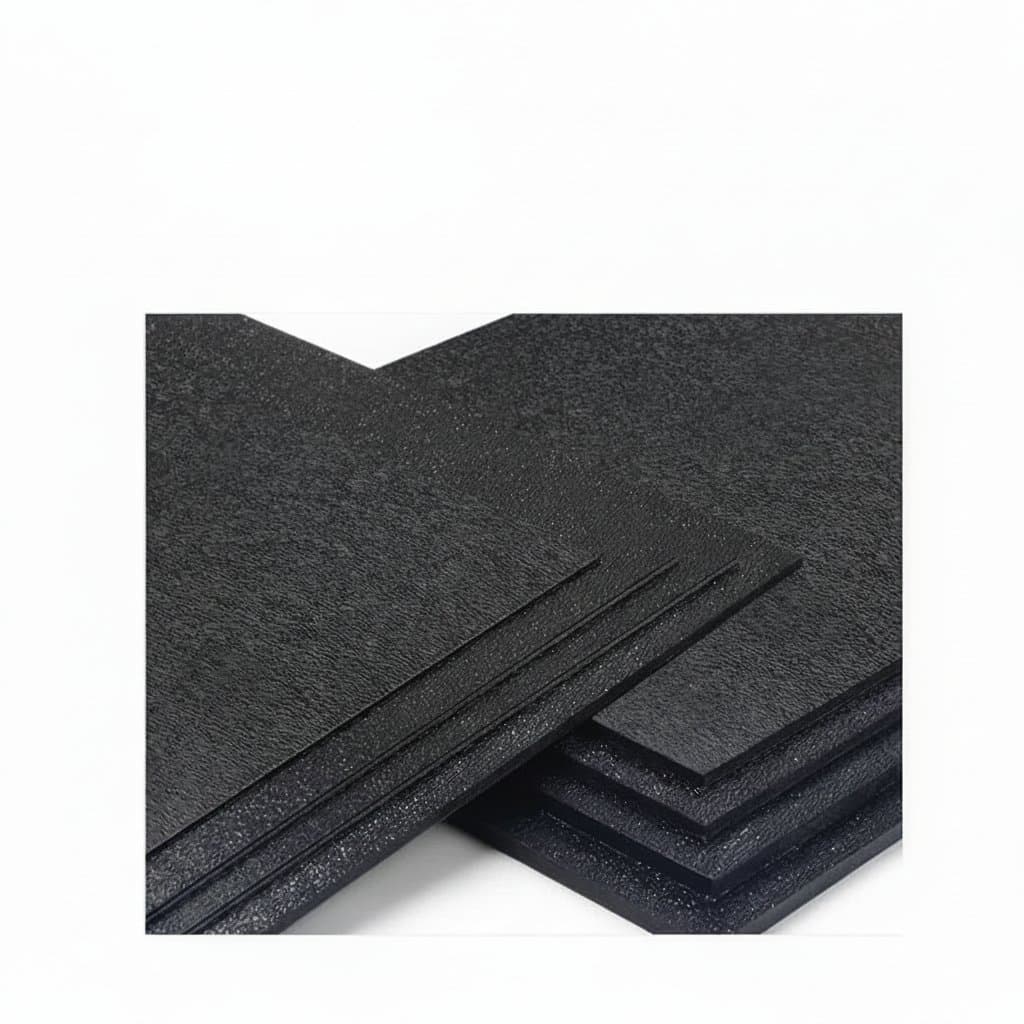
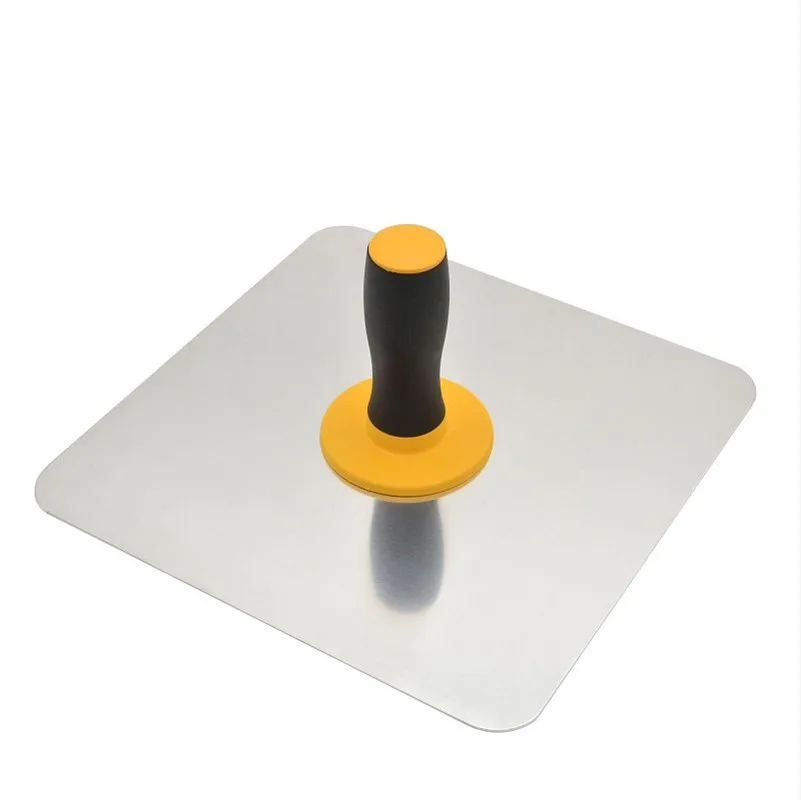
The choice of mortar board material affects weight, durability, and how well it holds mortar. Frosted ABS plastic boards are lightweight for easy transport and feature a textured surface that helps prevent mix from sliding. They are available in various thicknesses, typically from 0.5mm to 5mm, to balance rigidity and weight.
For maximum durability, consider metal options. Aluminium boards offer a good compromise between strength and weight. Stainless steel provides superior resistance to corrosion and is the easiest to scrape clean, extending the tool's working life. Board size, with lengths up to 600mm, should match the scale of your work and personal preference for handling.
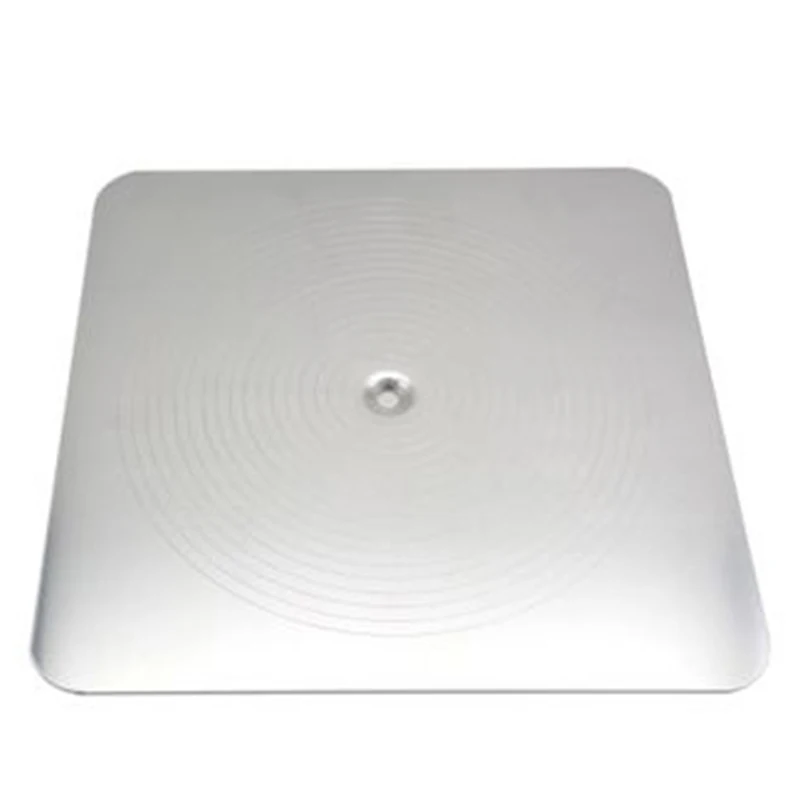
A dedicated board stand improves ergonomics and efficiency by holding the mortar at a comfortable working height. Stability is the primary consideration. Stands made from stainless steel offer maximum rigidity, while aluminium models provide excellent stability with lower weight for easier transport around the job site.
Check the stand's top dimensions to ensure compatibility with your mortar board. A stand with a 300mm width, for example, provides a secure base for most standard-sized boards. Some models include an integrated handle, making it simpler to reposition the entire setup as you work.
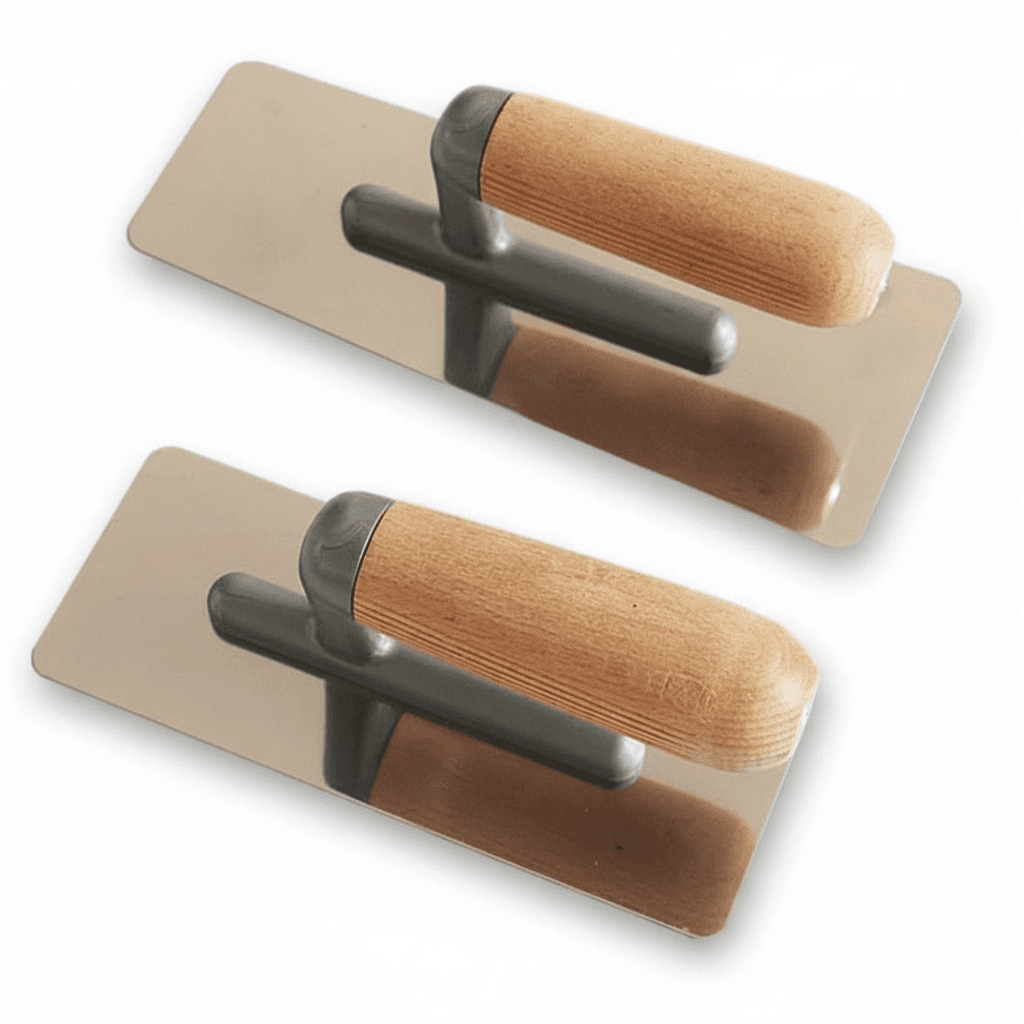
The blade is the most important feature of any trowel or scraper. Stainless steel is a common material for professional masonry tool blades due to its strength and resistance to rust. It holds a clean edge and is easy to maintain.
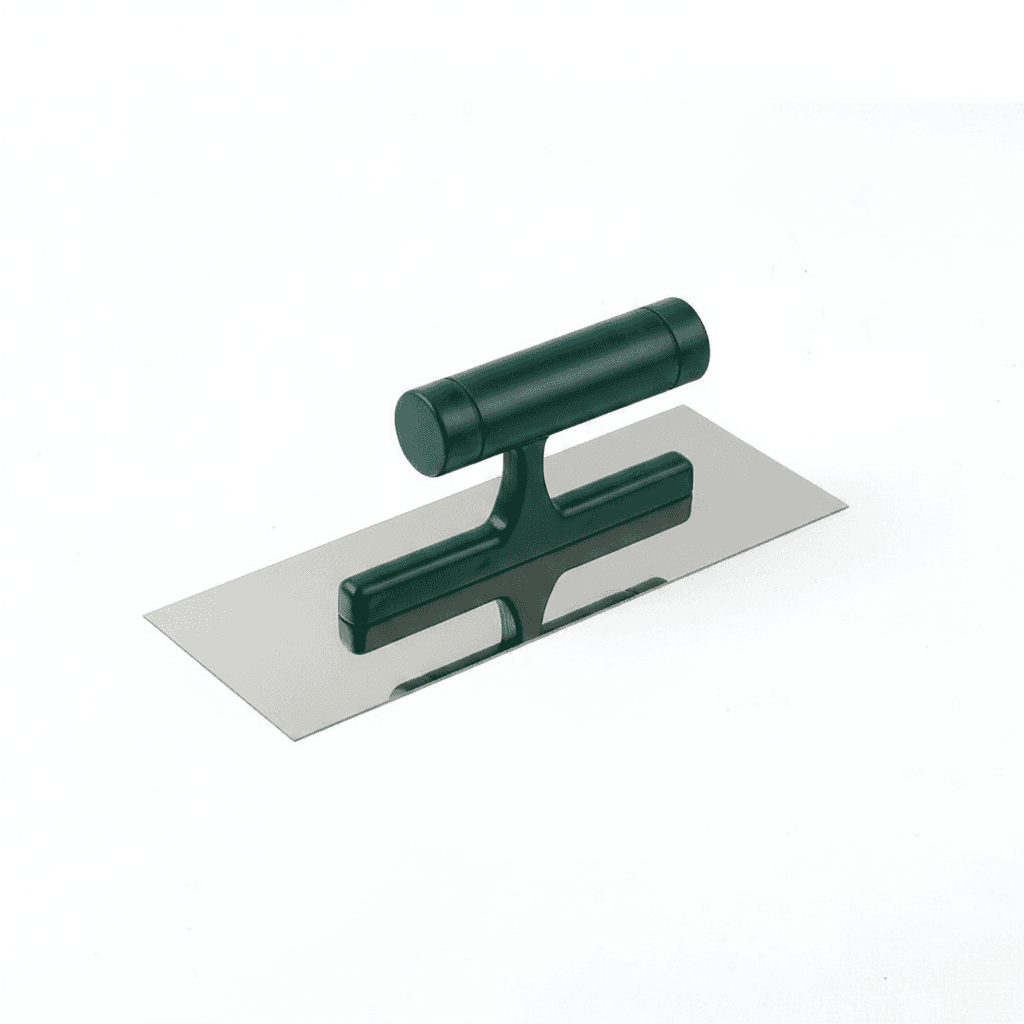
Pay attention to specific blade features for your application. A trowel with a serrated edge is used to create a keyed surface for better adhesion of a subsequent plaster coat. Handle material, often plastic, is also a factor for grip and comfort during extended use. Always select the tool type that matches the job, from plastering and finishing to scraping away old material.
Buying guide
We use cookies. Some keep the store working, others show us what to fix. No third-party trackers, and we never sell your data. Learn more about cookies and your privacy