
Help
Compel Groupgroup

Battery Isolator Switches

1 product available

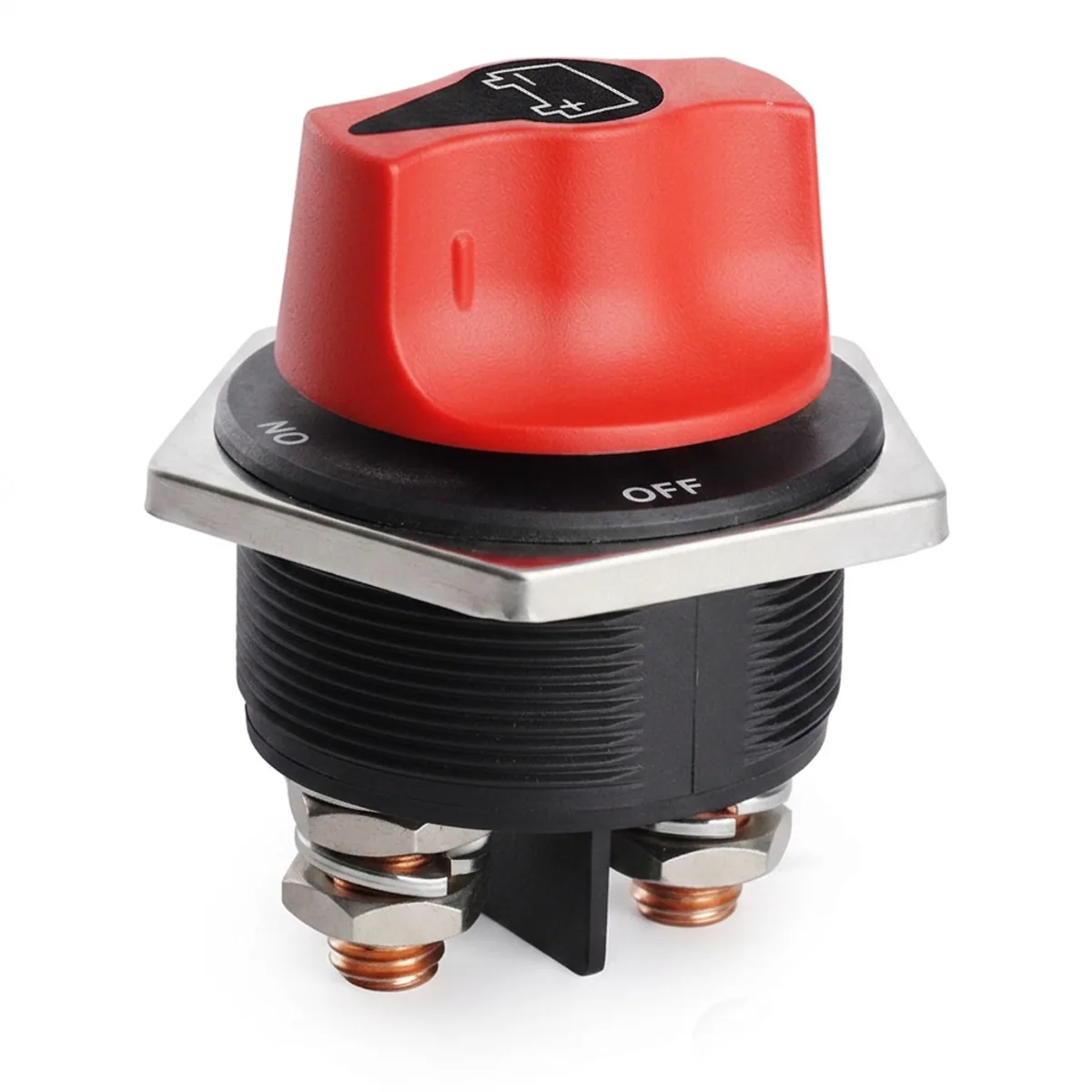
A battery isolator switch cuts DC power at the source to protect electrical circuits during maintenance, shutdown, and vehicle storage. Industrial fleet operators, marine technicians, and commercial upfitters rely on these units to halt parasitic drain and prevent accidental short circuits. Compel stocks switches built for 12V to 48V DC systems, covering standard automotive chassis, marine auxiliary banks, and heavy equipment.

Our inventory covers rotary cut-off designs, keyed battery disconnect switch units, and direct terminal mounts. Every battery master switch in this category delivers dependable high-amperage switching backed by reliable trade supply chains and prompt dispatch.

1 products in Battery Isolator Switches

Matching continuous and intermittent current ratings

Select a switch rated to carry full system draw without overheating contacts. Continuous ratings across our range span from 50A and 100A up to 275A and 300A. Always verify steady running current against the rated continuous limit before matching surge loads.

High-draw starting circuits and heavy marine starter motors require headroom for peak inrush. Units rated for 300A continuous often handle up to 600A intermittent load during engine turnover. For smaller circuits such as motorcycles or light commercial sub-panels, select 50A, 100A, or 200A configurations.

  • 50A to 200A ratings for light auxiliary banks, smaller machinery, and sub-circuits.
  • 275A and 300A ratings for main commercial vehicle battery feeds and dual-battery banks.
  • 300A continuous / 600A intermittent capacity for high-torque starter isolation.

Voltage compatibility across DC commercial systems

DC arcs do not self-extinguish like AC current, making correct voltage ratings mandatory for contact life. Most units operate across standard 12V - 24V DC circuits, while heavy commercial models support 12V - 48V DC. Dedicated units are also available for 32V DC marine configurations.

Ensure your working system voltage stays below the maximum rating shown on the switch body. Operating above rated voltage risks contact welding when opening circuits under full electrical load.

  • 12V - 24V DC: Standard automotive, truck, and light commercial electrical systems.
  • 32V DC: Marine vessels and specialized utility plant.
  • 12V - 48V DC: Multi-battery series banks, heavy transport, and electric utility platforms.

Switch mechanism and mounting configurations

Physical layout determines how your switch integrates into the vehicle battery bay or bulkhead. Top post disconnect models mount directly to battery terminal posts without running extra heavy-gauge cable. Panel-mounted rotary units use M10 studs to secure heavy cable lugs cleanly.

Consider the switch actuator based on security and operating protocols. Removable key isolators stop unauthorized vehicle movement on worksites. Surface-mount rotary handles provide immediate on/off operation, while integrated digital display units show active battery voltage before switching.

  • Top post direct mount: Installs straight onto terminal posts to fit restricted enclosures.
  • M10 terminal studs: Accepts heavy crimped cable lugs on fixed distribution panels.
  • Removable key switches: Adds lockout security for parked fleet vehicles and site machinery.
  • Digital voltage displays: Confirms circuit charge state right at the isolator point.

Buying guide

Choosing Battery Isolator Switches

How do I choose between continuous and intermittent amperage ratings?
Check the steady current drawn by all connected loads to match the continuous rating, such as 275A or 300A. The intermittent rating, reaching 600A on heavy-duty units, covers brief cranking spikes from starter motors. Never size a switch solely on intermittent values for constant electrical loads.
Can I install an isolator switch for car battery setups directly onto the battery post?
Yes, top post disconnect switches clamp directly onto standard battery terminal posts without auxiliary mounting brackets. For panel or bulkhead installations away from the battery, select an isolator equipped with M10 threaded studs. Verify clearance around battery boxes, as switch outer diameters range from 3.3 cm to 100 mm.
What happens if a battery disconnect switch is used above its rated voltage?
Opening a high-current DC circuit creates an electric arc between internal contacts. Switches rated for 12V - 24V DC lack the contact gap to extinguish arcs from higher-voltage banks. Using a switch above its rating can cause contact pitting, permanent welding, or housing heat damage.
When should I specify a car battery isolator with a removable key?
Removable key isolators suit fleet yards, plant machinery, and race cars where physical power lockout is required. Removing the key prevents accidental start-up during maintenance and deters vehicle tampering on unmonitored sites. For standard marine and RV panels, a fixed rotary cut-off switch is often preferred.
What is a common wiring mistake when installing a battery master switch?
A frequent mistake is installing the switch on undersized cables or failing to torque M10 terminal nuts properly. Loose terminal connections increase electrical resistance, causing severe voltage drops and heat buildup under high current draw. Always crimp matching lugs and isolate the positive or ground feed according to your equipment wiring specification.