
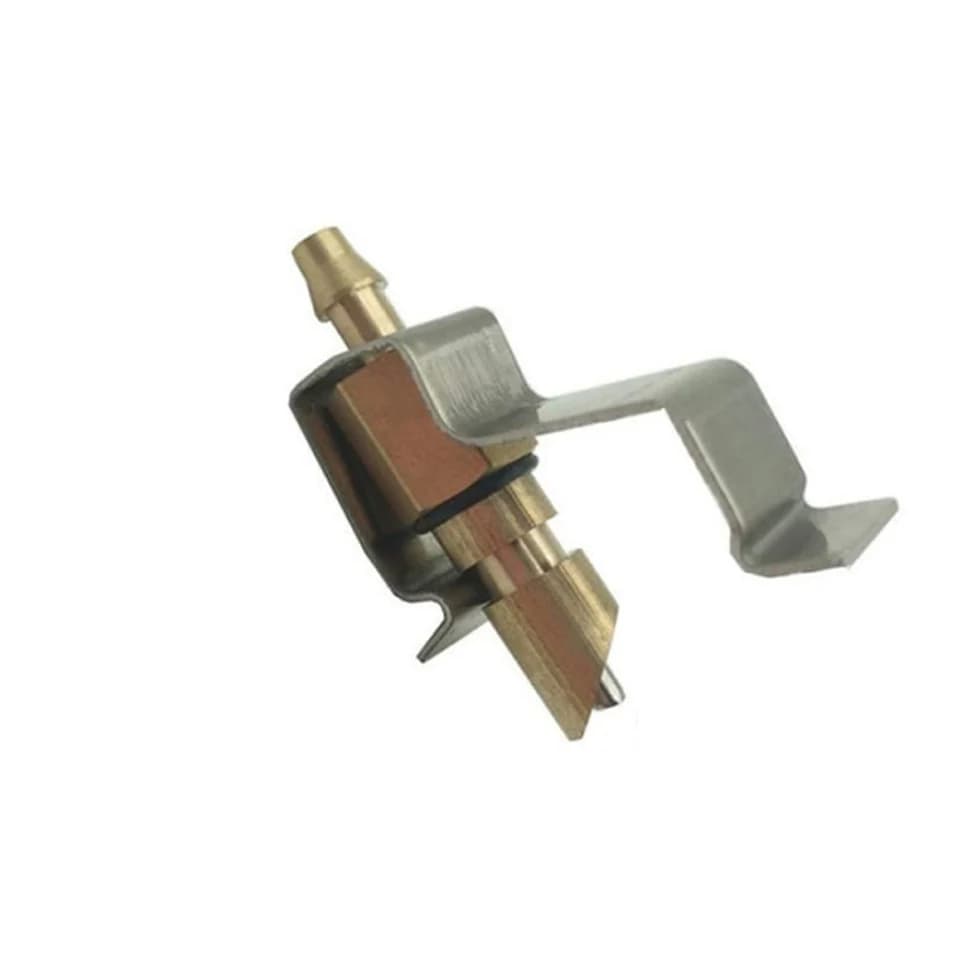
Livestock Feeding
Automatic Poultry Feeder Nipple Drinker | Rat & Chinchilla Waterer | Animal Feeder Fittings
CMP-03712LIVE-00008
£83.99
8 products available
A reliable livestock feeder is fundamental to any agricultural operation. This category includes equipment for dispensing feed and water to poultry, horses, cattle, and other farm animals. Our range supports professional farming and livestock management with durable, practical solutions for daily livestock feeding. We supply everything from individual components for custom systems to complete, ready-to-use feeders.
Compel provides a focused selection of poultry feeders, hay nets, troughs, and automatic waterers. Products are constructed from materials like galvanized steel, stainless steel, and heavy-duty plastic suited for demanding farm environments. These are not consumer-grade items; they are built for operational efficiency and animal welfare. Choose Compel for industrial-quality feeding equipment that withstands the rigors of daily use.
8 products in Livestock Feeding
Livestock Feeding
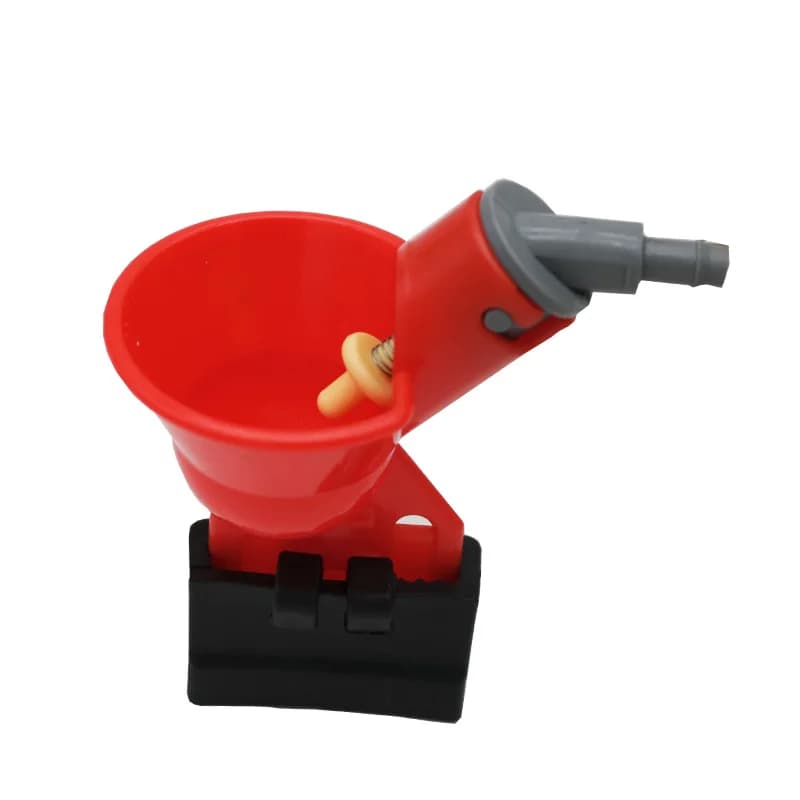
Livestock Feeding
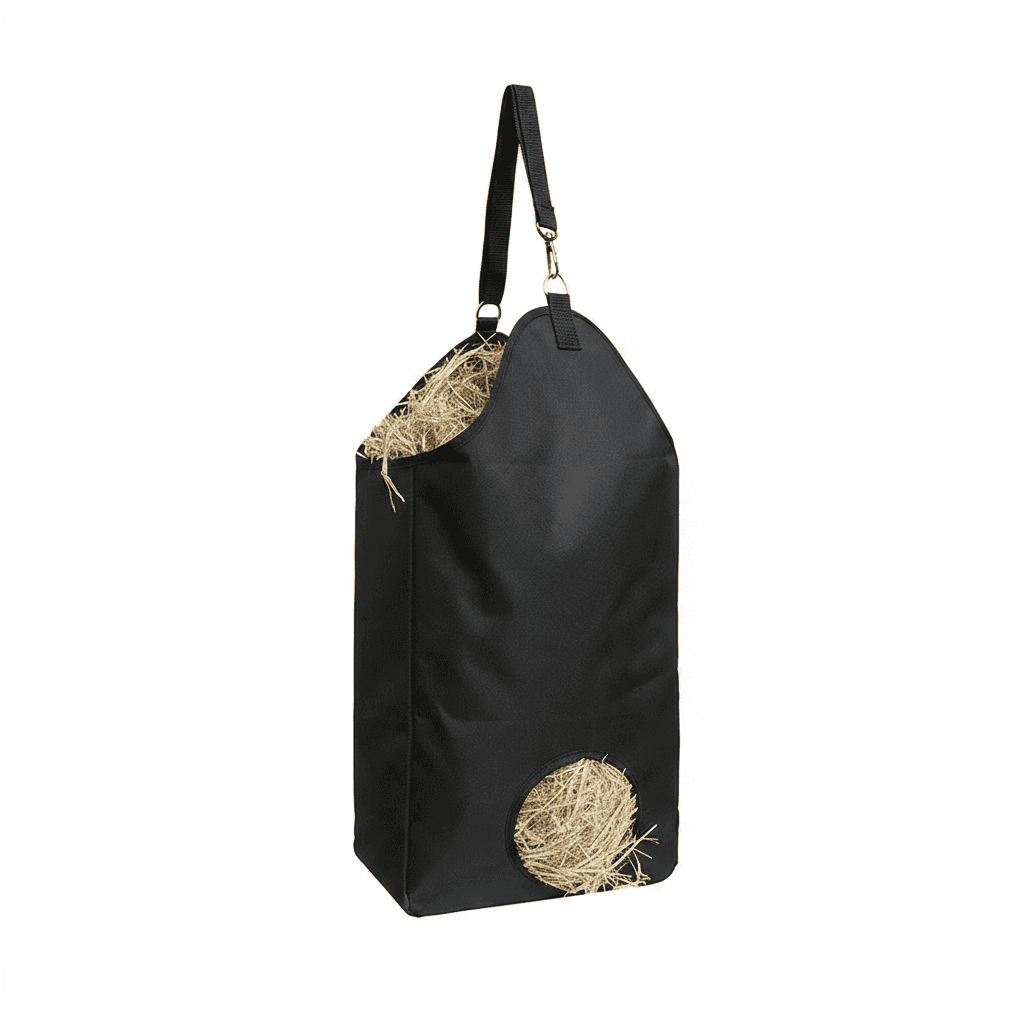
Livestock Feeding
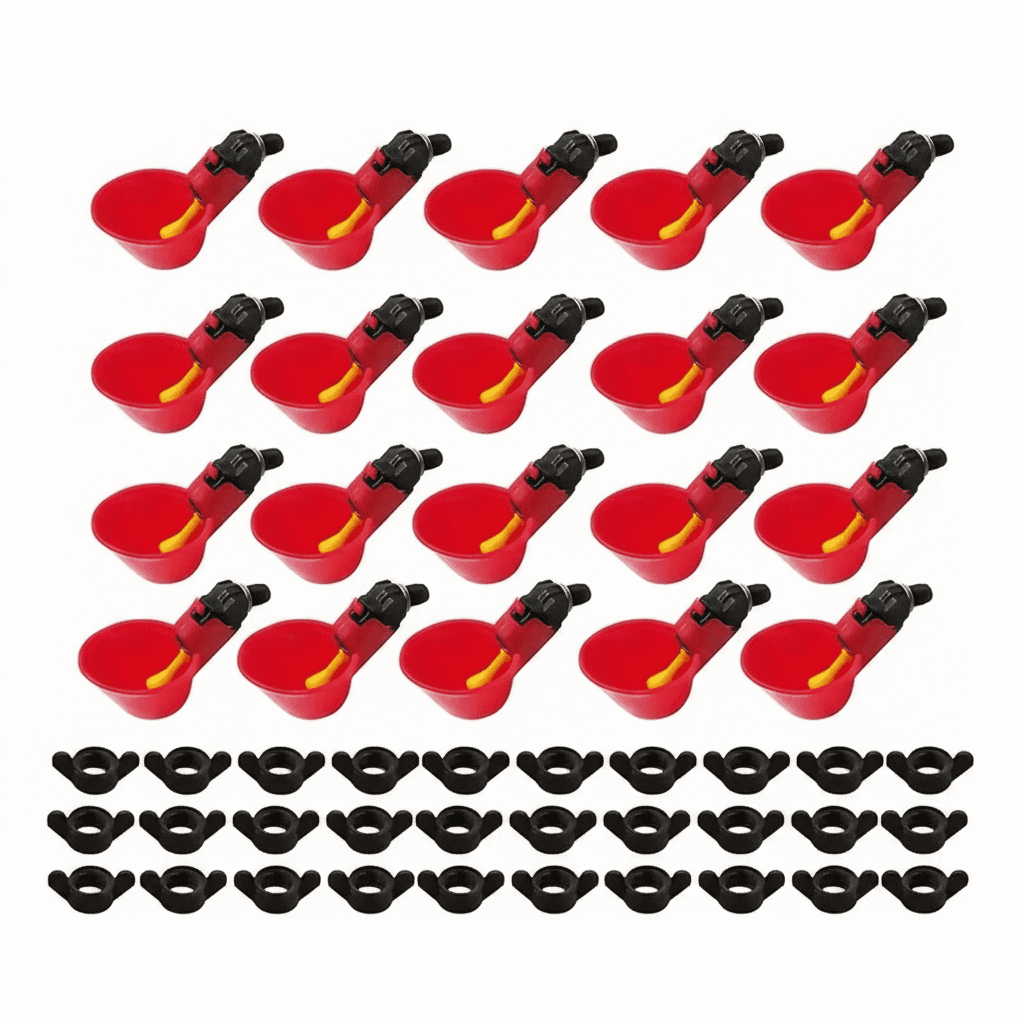
Livestock Feeding
Livestock Feeding
 Out of stock
Livestock Feeding
 Out of stock
Livestock Feeding
 Out of stock
Livestock Feeding
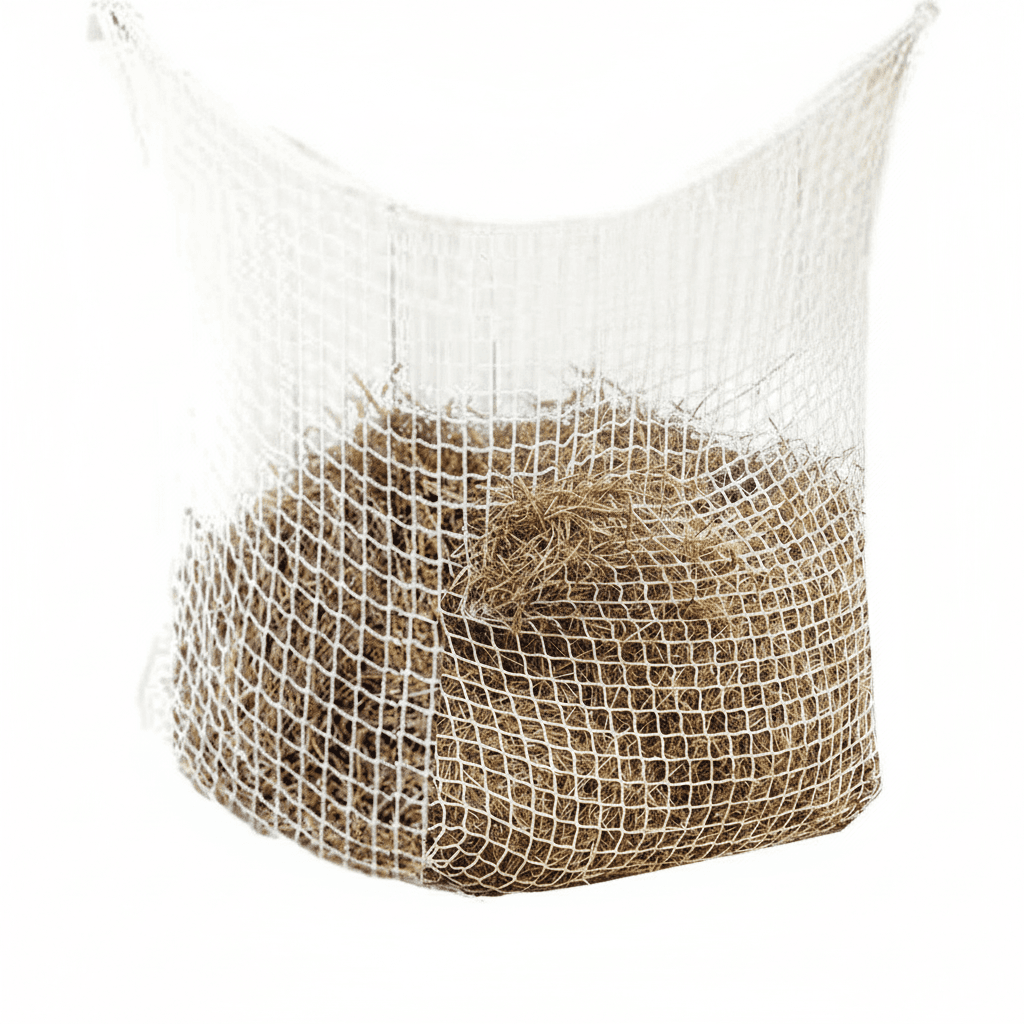
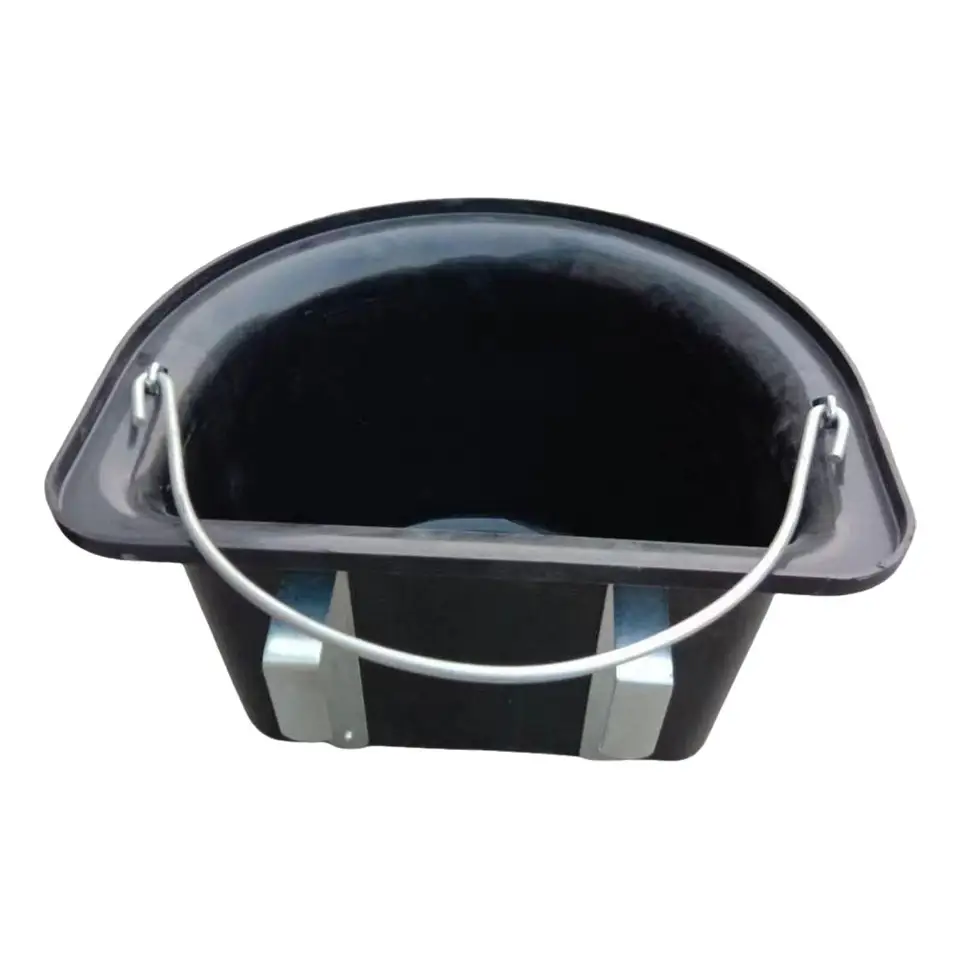
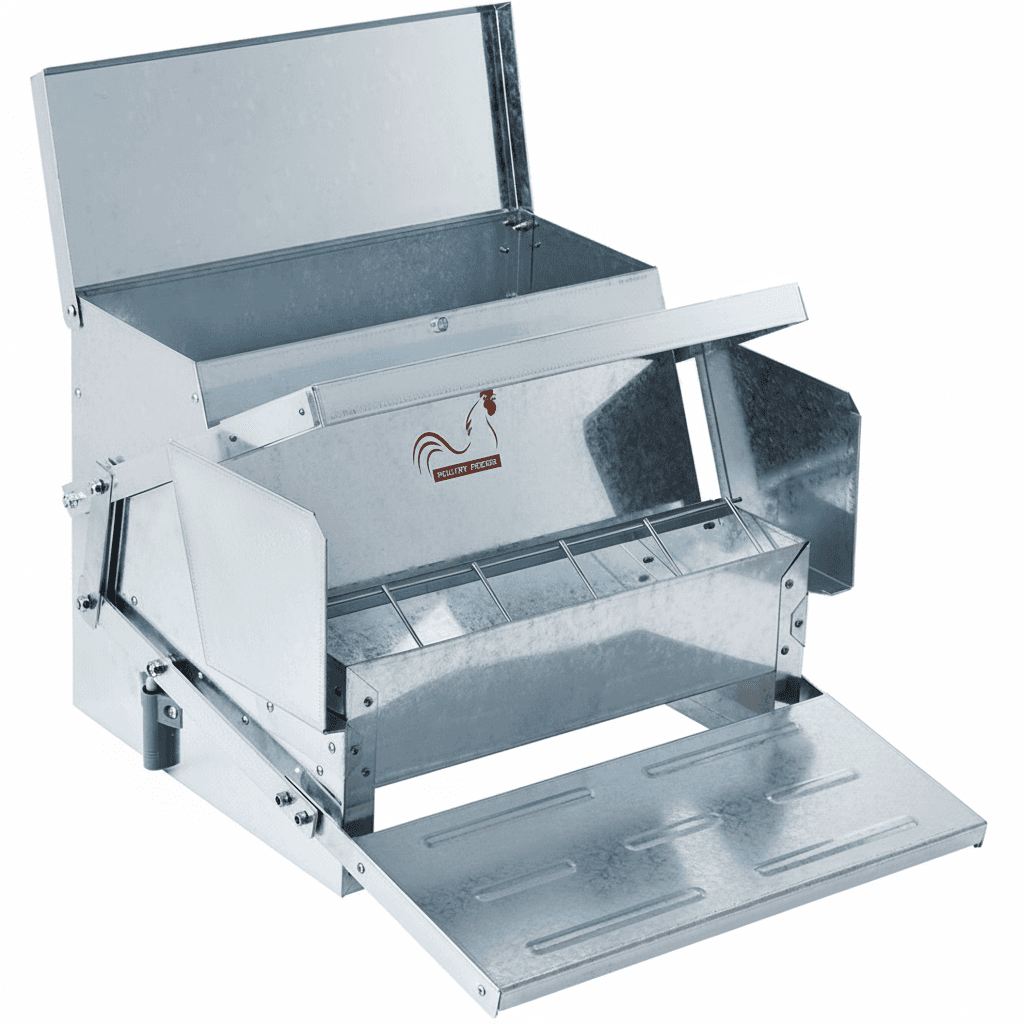
The first decision is the feeding method. Automatic, gravity-fed systems, like poultry feeders with 25lb capacity, reduce daily labor by dispensing feed as animals consume it. For large animals like horses and cattle, a slow-feed hay net encourages natural grazing behavior and can prevent digestive issues. Manual-fill troughs and pans offer simplicity and control over portion sizes, ideal for specific feeding schedules or supplements.
Material choice directly impacts durability, hygiene, and suitability for your environment. Galvanized steel is a common choice for poultry feeders due to its strength and resistance to weather and pests. For water delivery components like nipple drinkers, stainless steel provides excellent corrosion resistance and is easy to sanitize.
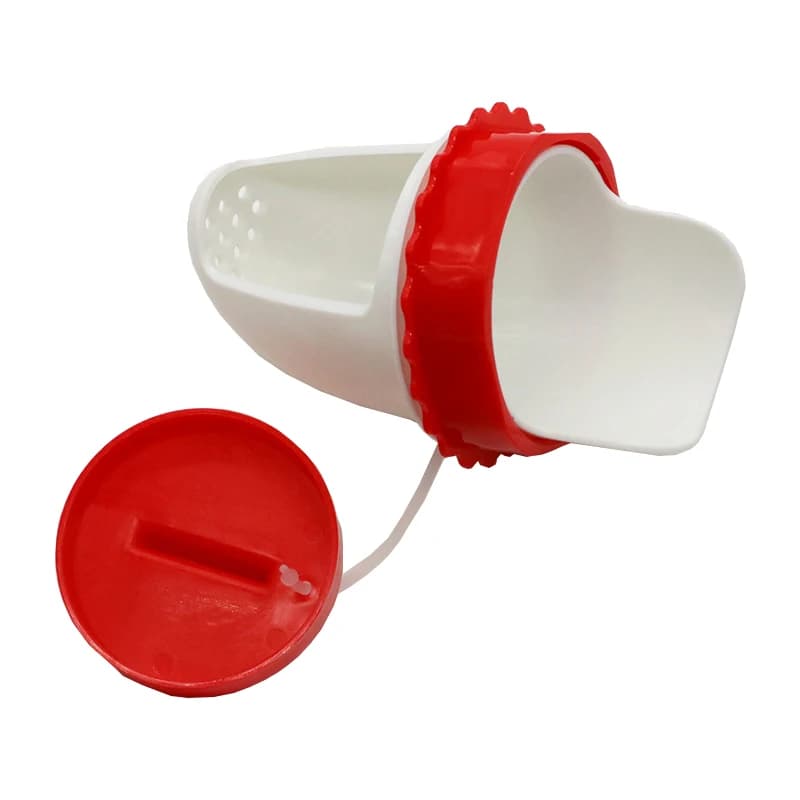
Plastic is used for waterer cups and DIY feeder ports, offering a cost-effective and lightweight solution. For hay nets, woven nylon rope provides flexibility and strength, while being gentle on an animal's mouth. Consider whether the equipment will be used indoors or outdoors and the cleaning protocols it must withstand.
Proper sizing prevents feed waste and ensures all animals have access. For poultry, a feeder's capacity should match your flock size; a 25lb feeder, for instance, can support about 10 chickens. For waterers, ensure you have enough cups or nipples to prevent competition.
When choosing a hay net, consider both the volume and the hole size. Large nets provide feed for longer periods. Smaller holes slow down consumption for horses and cattle, which is often desirable. For troughs, select a size that holds an appropriate meal size for the animal.
Buying guide
We use cookies. Some keep the store working, others show us what to fix. No third-party trackers, and we never sell your data. Learn more about cookies and your privacy